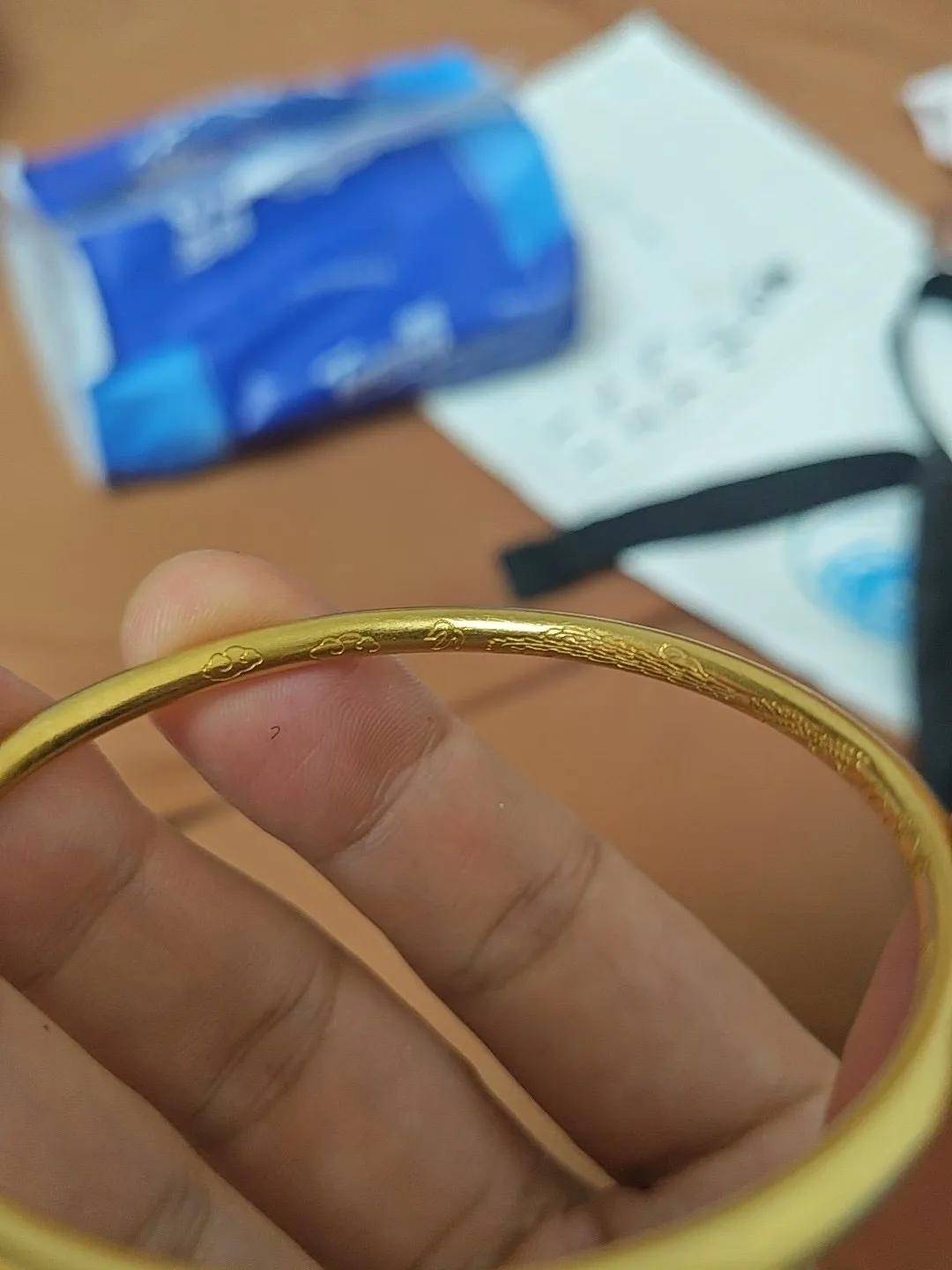
金条)

Search documents
黄金、白银继续大跌!刚买的金饰能退吗?多品牌声明
Nan Jing Ri Bao· 2026-02-02 01:41
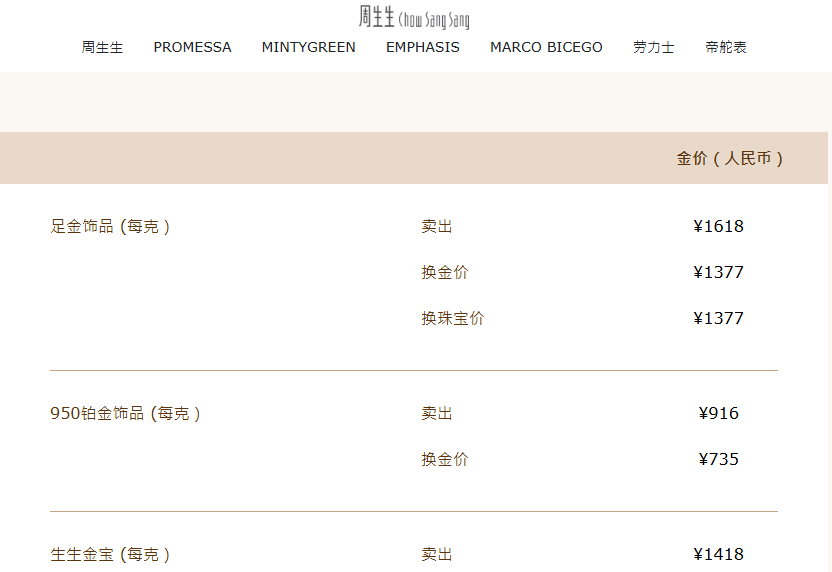
Group 1 - The core point of the article highlights a significant drop in gold and silver prices, with silver experiencing a daily decline of 10% to $76.89 per ounce and gold falling below $4,700, down 3.33% [1][2][4] - Domestic gold jewelry prices have adjusted in response to the falling gold prices, with brands like Chow Sang Sang reporting a decrease from 1,708 yuan per gram to 1,618 yuan per gram, a drop of 90 yuan per gram within two days [2] - Another brand, Lao Miao Gold, reported a decrease from 1,706 yuan per gram to 1,546 yuan per gram, marking a decline of 160 yuan per gram over the same period [4] Group 2 - Retailers are implementing strict return policies, with some stating that returns will incur a fee of 500 yuan regardless of the reason, and many physical stores do not accept returns once the product is purchased [6] - Online return policies vary by platform, with most not accepting returns for investment gold products like coins and bars, and some brands allowing returns only within 24-48 hours after receipt [8][10] - Consumers have reported experiences of being charged significant fees for returns, with some facing deductions exceeding 1,000 yuan, raising concerns about the transparency of return policies [10] Group 3 - Legal experts indicate that gold jewelry and bars purchased in physical stores generally do not qualify for a 7-day no-reason return policy, while online purchases often specify that they do not support such returns due to the nature of the products [11] - The article emphasizes the importance of consumer awareness regarding return policies, suggesting that platforms should provide clearer notifications about potential fees associated with returns [11] Group 4 - Financial institutions, including major banks, are issuing risk warnings regarding the volatility in the precious metals market, advising investors to assess their risk tolerance and avoid impulsive trading [14][15][17] - The Agricultural Bank of China has adjusted its gold accumulation business, requiring customers to complete a risk assessment before engaging in transactions [15] - The China Construction Bank has raised the minimum investment amount for gold accumulation products to 1,500 yuan, reflecting the increased market risks [18]




上海市民卖黄金,被河南警方划扣8万元!驱车前往当地,终于获知真相
Sou Hu Cai Jing· 2025-08-06 13:41
Core Viewpoint - The incident involving Mr. Chen highlights the risks associated with online transactions of valuable items like gold, where legitimate sellers can inadvertently become entangled in fraud cases due to the actions of buyers who are actually scammers [10][12]. Group 1: Incident Overview - Mr. Chen sold 106.45 grams of gold for a total of 83,400 yuan, with 80,000 yuan deposited into his bank account and 3,400 yuan via Alipay [3][5]. - Following the transaction, Mr. Chen's bank account was frozen by the police in Henan, as it was linked to a reported fraud case involving a 12-year-old victim who had been scammed out of 399,000 yuan [10][11]. Group 2: Police Response - The police in Xincai County froze Mr. Chen's account on June 23, 2025, after discovering that the funds transferred to him were part of a scam [10][11]. - After confirming that Mr. Chen was not involved in the fraud, the police released the funds back to him on July 25, 2025, following the legal procedures outlined in the Criminal Procedure Law [11][12]. Group 3: Legal Context - The police's actions were based on the need to freeze assets related to criminal activities, as stipulated in the Criminal Procedure Law [10][11]. - Legal experts argue that Mr. Chen's case falls under the "good faith acquisition" principle, suggesting that he should not be penalized for receiving funds from a legitimate transaction, especially since he was not aware of the fraudulent nature of the buyer [20][21]. Group 4: Public Reaction - The incident has sparked discussions among netizens about the need for more secure transaction methods for high-value items, with suggestions for banks and police to create a platform for verifying the legitimacy of such transactions [22][23]. - Many commenters expressed concern over the risks of private transactions and the potential for legitimate sellers to suffer losses due to fraudulent buyers [24][25].