铜剑

Search documents
湖南长沙再现大型古墓群
Xin Lang Cai Jing· 2026-02-10 00:31
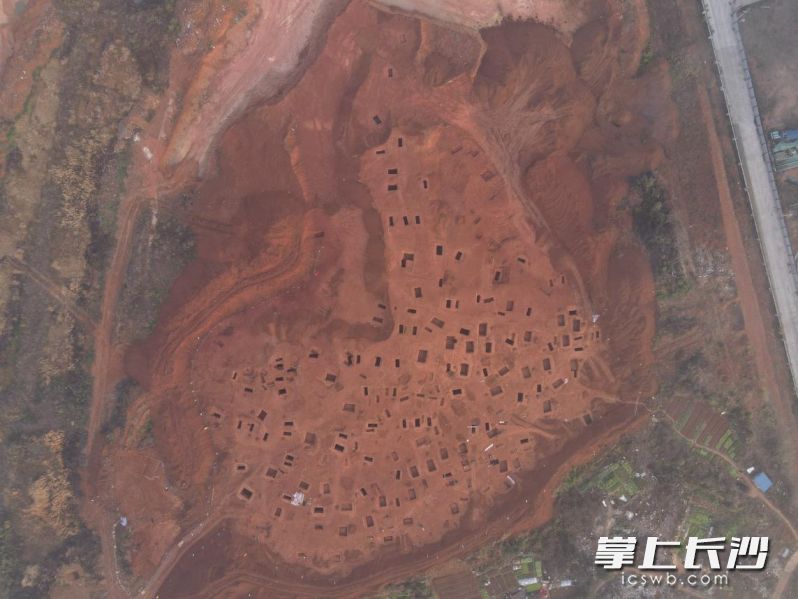
Core Insights - The archaeological excavation in Changsha has uncovered 214 ancient tombs and over 560 burial artifacts, providing valuable material for studying the early history of the region [1][3][5] Group 1: Excavation Details - The excavation lasted four months and was conducted to support the construction of the Tongguan Logistics Park project in Wangcheng District [3] - The site, known as "Fenshanpo," features a unique geographical environment, surrounded by rivers and located near the Xiang River [3] - A combination of virtual probing and individual relic analysis was employed over an area of approximately 160,000 square meters [3] Group 2: Artifacts and Findings - The excavation yielded a diverse range of burial items, including bronze, iron, jade, and pottery, with a notable emphasis on bronze artifacts such as swords, spears, and ceremonial vessels [5][9] - The artifacts reflect the craftsmanship of the time and provide insights into the material life, ceremonial practices, and military aspects of the people from the Western Zhou to the Qin-Han periods [9] Group 3: Historical Significance - The findings suggest that the tombs date back to the Western Zhou to Qin-Han periods, indicating a public burial site used for over a thousand years [3][10] - This excavation is part of a larger series of discoveries in the area, contributing to the understanding of population size, settlement distribution, and social structure during that historical period [10] - The confirmation of this large burial complex enhances the understanding of the development and cultural characteristics of the hilly areas along the lower Xiang River in ancient times [10]

望城考古再现大型古墓群 214座墓葬穿越西周至秦汉
Xin Lang Cai Jing· 2026-02-08 06:12
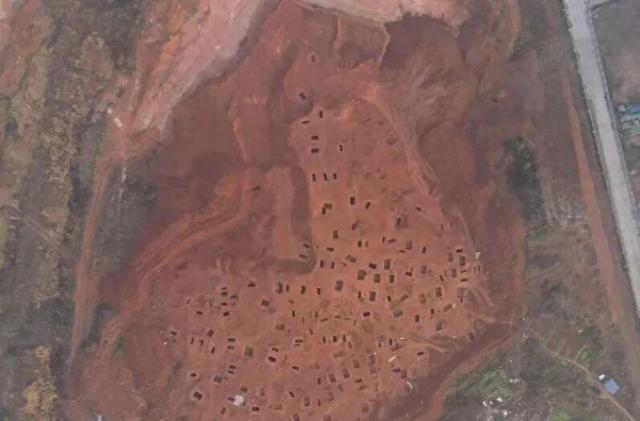
Core Insights - The archaeological excavation at the ancient tomb group in Changsha's Wangcheng District revealed significant findings, including 214 tombs and over 560 burial artifacts, dating from the Western Zhou to the Qin-Han periods, providing valuable material for studying early history in the Changsha area [1][3][5] Group 1: Excavation Details - The excavation was conducted over four months to support the construction of the Tongguan Logistics Park, covering an area of approximately 160,000 square meters [3] - The tomb group is located on a unique geographical feature known as "Fenshanpo," surrounded by rivers and situated close to the Xiang River, indicating a strategic location for burial practices [3][8] Group 2: Artifacts and Cultural Significance - A diverse range of burial items was unearthed, including bronze, iron, jade, and pottery artifacts, with notable items such as bronze swords, ceremonial vessels, and jade ornaments, reflecting the craftsmanship and lifestyle of the time [5][7] - The findings illustrate the material culture, ritual practices, and military aspects of the region from the Western Zhou to the Qin-Han periods, highlighting the area's historical significance [7] Group 3: Academic Value and Historical Context - The excavation contributes to a broader understanding of population size, settlement distribution, and social structure in the Changsha area during the Western Zhou to Qin-Han periods, offering new insights into burial customs and cultural transitions [8] - The confirmation of this large tomb group enhances the understanding of ancient development and cultural characteristics in the hilly regions along the lower Xiang River, emphasizing the area's role in the broader historical narrative of Chinese civilization [8]