铝缆

Search documents
铜价一年飙涨50% 催生中小型充电站“铝代铜”潮|传真
Sou Hu Cai Jing· 2026-01-30 07:06
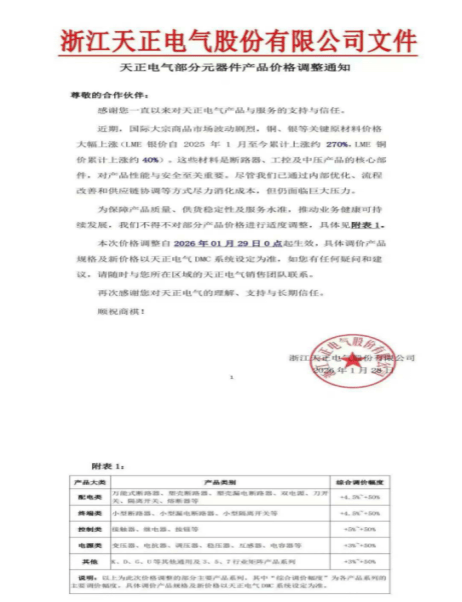
Group 1 - The core viewpoint of the articles highlights the significant impact of rising copper prices on the electrical equipment industry, leading to a shift towards aluminum as a substitute for copper in various applications, particularly in the context of new energy power projects [1][8] - The price of copper has surged from less than 70,000 yuan/ton to over 100,000 yuan/ton, marking an increase of nearly 50%, while aluminum prices have only slightly risen to about 25,000 yuan/ton, resulting in a substantial widening of the price gap between the two metals [2][6] - The proportion of aluminum alloy cables used in newly built small and medium-sized charging stations has reached 60-70%, indicating a significant trend towards "aluminum replacing copper" in the industry [1][8] Group 2 - The continuous rise in copper prices has pressured the profit margins of electrical equipment manufacturers, leading to multiple price adjustments for products such as transformers and cables, with increases averaging around 3% per adjustment [5][7] - The price of copper-core transformers has increased by 13% to 20% over the past year, while the price of copper cables has risen by 25% to 50%, reflecting the sensitivity of the industry to fluctuations in copper prices [7][6] - Companies are increasingly adopting dynamic pricing mechanisms linked to copper prices, with some reporting that every 1,000 yuan/ton increase in copper prices results in approximately a 1% increase in cable prices [6][8] Group 3 - The shift towards aluminum is driven by cost considerations, as using aluminum cables and transformers can significantly reduce the overall construction costs of charging stations, with potential savings of at least 150,000 yuan for a typical small charging station [10][12] - The trend of "aluminum replacing copper" has evolved from an experimental phase to a mainstream strategy within the industry, as companies seek to control costs amid high copper prices [10][12] - The operational profitability of charging stations is heavily influenced by material costs, with many investors weighing the additional costs of copper materials against potential returns, leading to a preference for aluminum solutions [10][12]