长江云棉

Search documents
无人机巡飞、AI研新药、无人车上路数智生活照进现实
Chang Jiang Ri Bao· 2026-02-04 01:03
Group 1 - The core focus of the news is on Wuhan's development of a smart economy, emphasizing the integration of artificial intelligence and smart technologies into urban governance and industrial upgrades [1][2] - The city has implemented a public safety intelligence system that significantly reduces response times for crime-related incidents, showcasing the effectiveness of AI in urban safety management [1] - The "City Eye" low-altitude remote sensing monitoring system has been established as the first nationwide network covering a super-large city, enhancing urban governance from a flat to a three-dimensional and intelligent model [2] Group 2 - Companies and new research institutions in Wuhan are leveraging AI and data-driven approaches to achieve substantial growth, marking a shift in scientific research paradigms [3] - The city has seen advancements in autonomous driving, with significant policy iterations and the establishment of a comprehensive data set for autonomous vehicle development [3] - The integration of AI in the textile and apparel industry has led to improved supply chain efficiency and the creation of new business ecosystems that combine industry, AI, and cross-border trade [4]
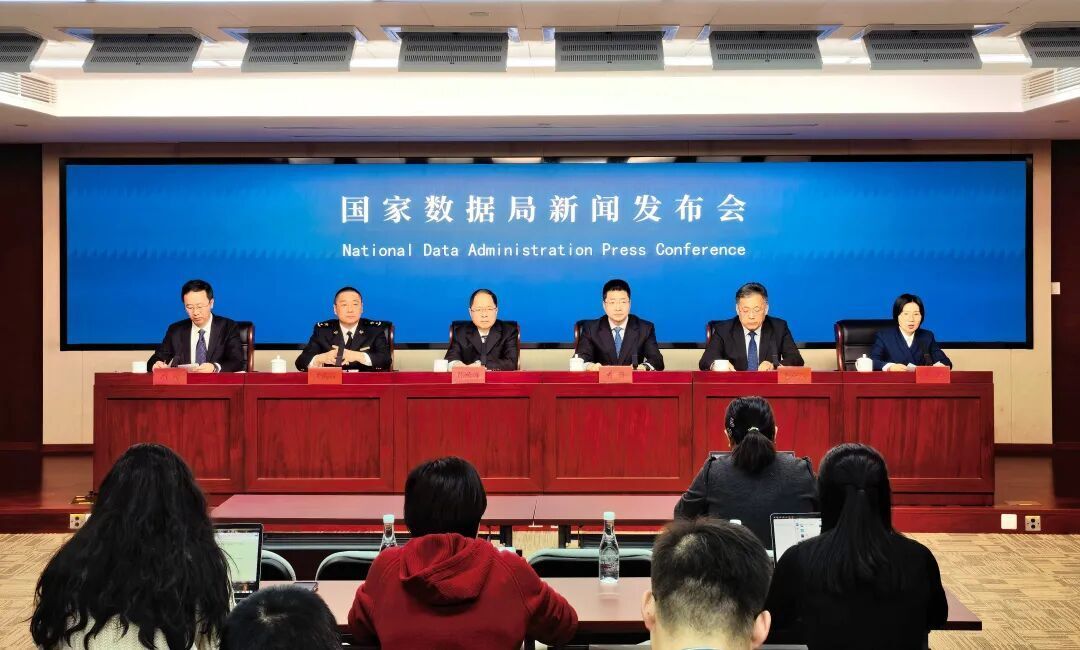
武汉市受邀参加国家数据局新闻发布会,推介物流数据开放互联试点经验
Chang Jiang Ri Bao· 2025-12-23 12:58
Core Viewpoint - The National Data Bureau held a press conference to discuss the latest progress and achievements in the construction of public data demonstration scenarios, highlighting Wuhan's experience in logistics data openness and interconnectivity [1][4]. Group 1: Data Utilization and Efficiency - The value of data is reflected in cost reduction and efficiency improvement for enterprises, as emphasized by the 20th National Congress of the Communist Party of China [2]. - Wuhan was selected as one of the first pilot cities for "logistics data openness and interconnectivity," aiming to eliminate "information silos" and promote data sharing across various sectors [2]. Group 2: Implementation and Achievements - Wuhan established a "five-in-one" work system to implement pilot tasks, which includes forming a mechanism, developing a plan, issuing standards, building a platform, and creating scenarios [2]. - During the pilot period, Wuhan advanced five key construction projects, shared over 20 logistics-related data items, and improved multi-modal transport efficiency by over 5% [2]. Group 3: Sector-Specific Innovations - In the biopharmaceutical industry, data integration led to a 30% increase in delivery efficiency and a 10% improvement in timeliness [6]. - In the commercial logistics sector, data connectivity between Wuhan Port and Shanghai Yangshan Port enabled significant cost savings, with logistics expenses reduced by 50% for specific shipments [6]. Group 4: Future Directions - The Wuhan Data Bureau plans to continue enhancing logistics data interconnectivity and promote innovative applications, aiming to set benchmarks for data utilization across various industries [6].