
阿尔法折叠2

Search documents
AI浪潮下,哪些科研岗位会受到冲击
Huan Qiu Wang Zi Xun· 2026-02-26 01:17
Core Viewpoint - The rise of artificial intelligence (AI) is significantly impacting various sectors, including the scientific community, leading to a reduction in demand for certain research positions, particularly those involving basic coding and data processing tasks [3][4][5]. Impact on Job Market - AI has notably decreased the need for roles traditionally filled by graduate students and postdoctoral researchers, especially in coding and data handling [3][4]. - Entry-level positions in computer modeling are at risk as AI outperforms novice scientists in these tasks [3][4]. - The demand for scientific paper translation and related jobs is also declining due to AI advancements [3][4]. Changes in Recruitment Practices - Research teams are becoming more cautious in hiring graduate assistants and postdoctoral researchers, influenced by funding uncertainties and AI's ability to take on some of the workload [5]. - There is a concern that insufficient hands-on experience for students and technicians may negatively impact the scientific workforce in the long term [5]. AI's Limitations in Advanced Tasks - Most researchers believe that AI still struggles with high-level scientific tasks, such as determining which ideas are worth pursuing [6]. - Human involvement remains crucial for generating hypotheses and preventing AI from producing misleading outputs [6]. Current Job Security for Laboratory Technicians - Laboratory technicians and early-stage researchers engaged in "wet lab" experiments are currently in a relatively secure position, as AI and automation cannot yet perform many intricate tasks [7]. - Certain roles, such as those involving protein structure imaging, still require human expertise despite advancements in AI tools [7]. Future Adaptability - The ability to adapt and respond to changes brought by AI may define the future of science, with those who can adjust finding opportunities in the new landscape [8].

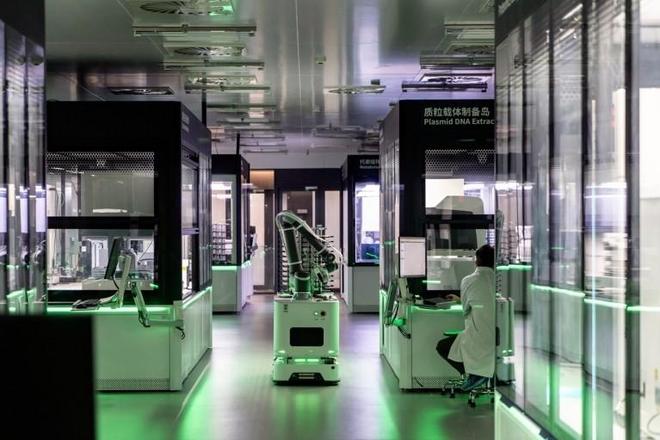
AI浪潮下哪些科研岗位会受到冲击
Ke Ji Ri Bao· 2026-02-26 00:49
Core Insights - The rise of artificial intelligence (AI) is significantly impacting various sectors, including the scientific community, leading to a reduced demand for certain research positions [1] - AI's capabilities in coding and data processing are particularly disruptive to the scientific job market, with many roles previously filled by human programmers now being automated [2] - While AI is transforming the landscape of scientific employment, positions requiring hands-on experimentation and senior project management remain relatively secure for the time being [5] Impact on Job Market - AI has notably diminished the need for roles focused on coding and data handling, with many researchers acknowledging that such tasks can now be efficiently performed by AI [2] - The emergence of AI has not only led to job losses in certain scientific fields but has also stifled the creation of new positions, as teams become more cautious in hiring due to AI's capabilities [2][3] - The American Translators Association reported a 26% decrease in membership in its science and technology division within two and a half years, indicating job displacement due to AI [3] Limitations of AI - Despite its advancements, AI is still considered inadequate for high-level scientific tasks, such as determining which research ideas are worth pursuing [4] - Many researchers believe that human involvement remains essential for generating hypotheses and preventing AI from producing misleading outputs [4] - There is a consensus that even high-level cognitive roles in science are vulnerable to AI disruption, particularly in fields focused on cognitive tasks [4] Current Job Security - Laboratory technicians and early-stage researchers engaged in "wet lab" experiments are currently in a more secure position, as AI and robotic automation cannot yet perform many intricate tasks [6] - Certain roles, such as those involving manual protein structure imaging, continue to require human expertise despite the capabilities of AI tools like AlphaFold 2 [6] - The ability to adapt and respond to changes brought by AI is seen as crucial for the future of science, with those who can adjust likely to thrive in the new landscape [7]
处于“十字路口”的英国制药业
Xin Hua She· 2026-01-13 09:04
Core Insights - The global biopharmaceutical industry is undergoing unprecedented transformation driven by advancements in artificial intelligence, genetic technology, and synthetic biology [1] Group 1: Strengths - The UK pharmaceutical industry benefits from a strong scientific foundation and an evolving data ecosystem, with the UK Biobank being a valuable asset containing detailed genetic and health data from 500,000 volunteers [1] - The close proximity of universities and pharmaceutical companies in the Cambridge Biomedical Campus facilitates technology transfer and reduces friction costs [2] - The UK Medicines and Healthcare products Regulatory Agency has been praised for its agility, having doubled the speed of clinical trial approvals through AI and digital transformation, allowing some low-risk studies to be approved in as little as 14 days [2] Group 2: Challenges - Emerging technologies are reshaping the biopharmaceutical industry, with AI and biotechnology accelerating drug development, yet the industry faces fundamental challenges due to regulatory adjustments post-Brexit and structural issues within the National Health Service [3] - Companies like GlaxoSmithKline struggle to convert vast amounts of genetic data into viable drug targets, facing obstacles in obtaining high-quality clinical data due to privacy concerns and fragmented data systems [3] Group 3: Constraints - The UK pharmaceutical industry is experiencing structural barriers in commercialization, described as "strong in science, weak in business," with companies like Merck announcing the closure of labs in London due to a lack of progress in life sciences investment [4] - Many startups in the Cambridge Biomedical Campus are being acquired by American firms due to a lack of risk-taking investors in the UK, leading to funding challenges during critical growth phases [5] - The National Health Service's policies limit the pricing and approval processes for innovative drugs, compounded by the bureaucratic challenges of Brexit, which slow down supply chain responses and hinder the recruitment of top EU talent [5]