AI翻译器

Search documents
AI浪潮下,哪些科研岗位会受到冲击
Huan Qiu Wang Zi Xun· 2026-02-26 01:17
Core Viewpoint - The rise of artificial intelligence (AI) is significantly impacting various sectors, including the scientific community, leading to a reduction in demand for certain research positions, particularly those involving basic coding and data processing tasks [3][4][5]. Impact on Job Market - AI has notably decreased the need for roles traditionally filled by graduate students and postdoctoral researchers, especially in coding and data handling [3][4]. - Entry-level positions in computer modeling are at risk as AI outperforms novice scientists in these tasks [3][4]. - The demand for scientific paper translation and related jobs is also declining due to AI advancements [3][4]. Changes in Recruitment Practices - Research teams are becoming more cautious in hiring graduate assistants and postdoctoral researchers, influenced by funding uncertainties and AI's ability to take on some of the workload [5]. - There is a concern that insufficient hands-on experience for students and technicians may negatively impact the scientific workforce in the long term [5]. AI's Limitations in Advanced Tasks - Most researchers believe that AI still struggles with high-level scientific tasks, such as determining which ideas are worth pursuing [6]. - Human involvement remains crucial for generating hypotheses and preventing AI from producing misleading outputs [6]. Current Job Security for Laboratory Technicians - Laboratory technicians and early-stage researchers engaged in "wet lab" experiments are currently in a relatively secure position, as AI and automation cannot yet perform many intricate tasks [7]. - Certain roles, such as those involving protein structure imaging, still require human expertise despite advancements in AI tools [7]. Future Adaptability - The ability to adapt and respond to changes brought by AI may define the future of science, with those who can adjust finding opportunities in the new landscape [8].

透过“科技旅拍”“电子年货”“冰雪+宠物”解锁春节消费新亮点
Yang Shi Wang· 2026-02-23 03:13
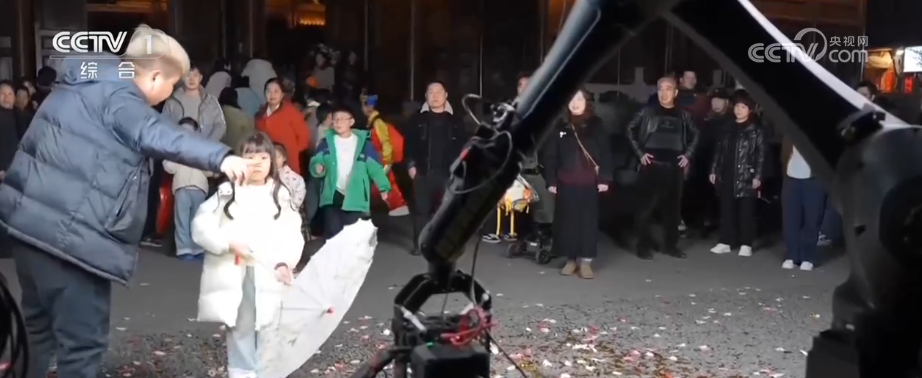
Group 1: Technology Integration in Tourism - The integration of technology into traditional cultural experiences has become a key trend during the Spring Festival, enhancing visitor engagement and safety [1][6] - High-speed photography robotic arms have been introduced in tourist attractions, allowing for 360-degree video captures in just three minutes, becoming a highlight of local tourism [3] - Smart robots are performing diverse shows, including dance and martial arts, in scenic areas, injecting modern vitality into ancient towns [6] Group 2: New Consumer Trends - The Spring Festival has seen a surge in consumer enthusiasm, with new consumption scenarios involving AI and pet-friendly services emerging [10][18] - Electronic New Year goods incorporating AI and AR technologies have gained popularity, with top-selling products including drones and AI toys [12] - The number of foreign tourists purchasing AI-enabled products in Shenzhen has nearly doubled compared to the previous year, indicating a growing international interest [15] Group 3: Pet-Friendly Tourism - Pets have become popular travel companions during the holiday, with services like pet-friendly train tickets and online pet transport reservations being introduced [18] - Events such as pet-themed Spring Festival fairs are being organized, providing unique experiences for both pets and their owners [20] - Efforts are being made to create "human-pet friendly" environments in tourism, addressing safety and hygiene concerns through standardized practices [23][25]
视频丨春节集中“上新” AI产品成热门“电子年货”
Yang Shi Wang· 2026-02-22 12:58
Core Insights - The integration of AI models during the Spring Festival has transformed traditional celebrations, enhancing user experiences through technology [1][6][14] AI Model Upgrades and User Engagement - Numerous AI model companies have upgraded their software to meet user demands during the Spring Festival, introducing features like AI-assisted ticket booking and restaurant reservations [3][5] - The application rate of AI models surged, with over 10 billion uses recorded from New Year's Eve to the third day of the New Year, including 130 million first-time users [5][13] Consumer Behavior and Product Trends - Consumers increasingly opted for "electronic New Year goods," with AI-integrated products becoming popular gifts, particularly in Shenzhen's Huaqiangbei, where sales of AI glasses rose by 80% and overall tech product sales increased by over 30% [9][11] - The demand for AI products attracted a significant number of foreign tourists, with foreign customer numbers increasing by nearly 100% [9][10] AI's Role in Traditional and Cultural Experiences - Traditional sites like Wuzhen have incorporated AI to enhance visitor experiences, blending cultural heritage with modern technology [12] - The use of AI in various applications, such as ticket purchasing, saw exponential growth, with a 372-fold increase in movie ticket orders and a 782-fold increase in orders from third and fourth-tier cities [13][14] Future Implications of AI Integration - The ongoing integration of AI into everyday life is shifting from novelty to regular use, with the Spring Festival serving as a peak period for testing and validating new technologies [14] - Experts suggest that the fusion of AI with the real economy will continue to expand, enhancing traditional sectors like consumption and tourism while driving sustainable growth in the digital economy [14]
“电子广货”线上线下热销 老外半小时揽货两大袋
Sou Hu Cai Jing· 2026-01-26 00:28
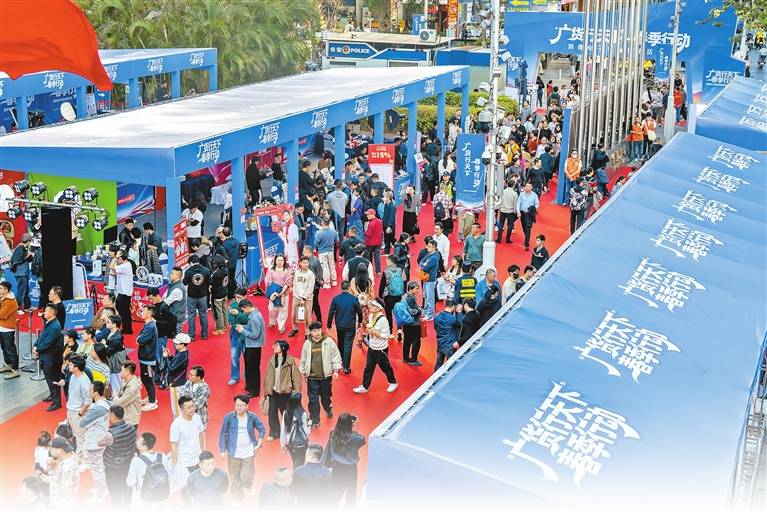
Core Insights - The "Guanghuo Hang Tianxia" Spring Action consumer electronics promotion event held in Huaqiangbei has significantly boosted consumer interest and sales in the region, showcasing a variety of products including AI hardware and smart devices [1][3][10]. Group 1: Event Overview - The promotion event attracted a large number of domestic and international consumers, with a notable increase in foot traffic and sales during the event [1][15]. - The event featured a wide range of products, including smartphones, computers, AI terminals, and smart musical instruments, all offered at attractive discounts [1][3]. Group 2: AI Hardware and Innovation - Companies like Shenzhen Jiayue Intelligent have successfully launched AI products, such as a new generation AI translator, which has been sold in over 20 countries since its release [3]. - The event highlighted the strong supply chain support in Huaqiangbei, enabling competitive pricing and rapid distribution of AI hardware to global markets [3][10]. Group 3: Live Streaming and Sales Performance - The integration of live streaming into the promotion significantly enhanced its reach, with over 250,000 viewers and sales exceeding 2 million yuan during the event [9][8]. - Companies like Guanxu Electronics and Chengmu Technology utilized live streaming to promote their AI products, resulting in increased brand visibility and consumer engagement [8][9]. Group 4: International Participation - The event attracted foreign buyers, with many expressing interest in purchasing Guangdong-made electronic products, which are well-regarded in international markets [10][11]. - Volunteers provided translation services to assist foreign customers, indicating a strong international presence at the event [10][11]. Group 5: Market Impact - The promotion led to a 15% increase in foot traffic in Huaqiangbei, with an additional 100,000 visitors compared to regular weekends [15]. - Local businesses reported high sales volumes, particularly in smart devices, and expressed a desire for more such promotional events to sustain market growth [15][16].

跳出手机屏幕,千问正在改变物理世界
经济观察报· 2026-01-12 11:48
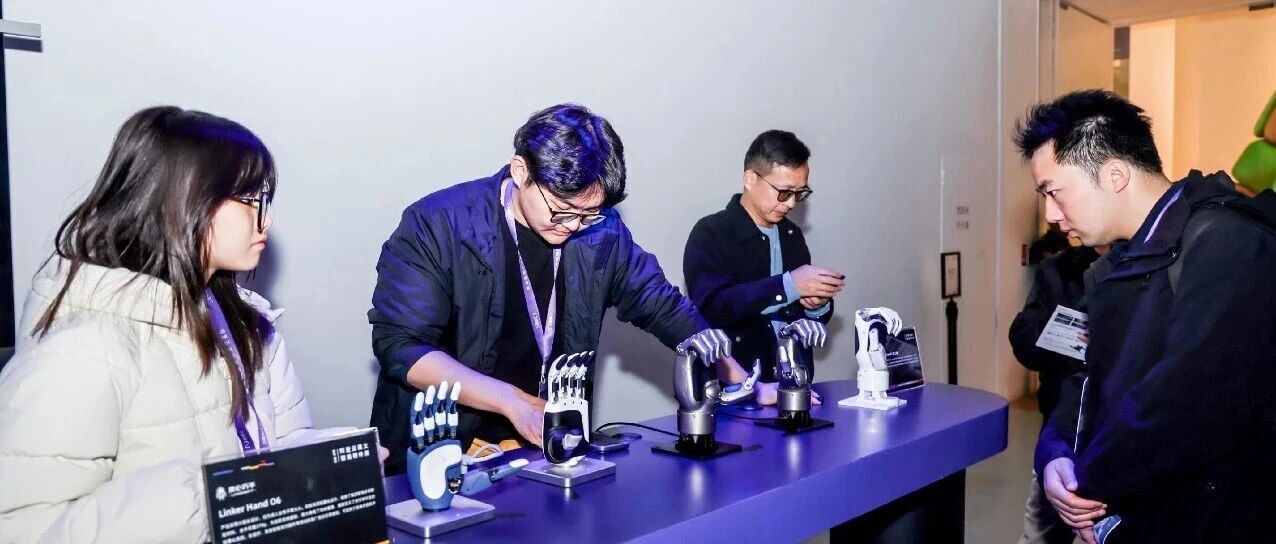
Core Viewpoint - The article emphasizes the emergence of "Physical AI," which signifies the integration of AI into various hardware products, moving beyond traditional mobile applications to interact with the physical world [1][4][22]. Group 1: AI Hardware Development - The CES (Consumer Electronics Show) is highlighted as a global technology trendsetter, where the focus is shifting from conceptual displays to practical, mass-produced AI hardware products [2][6]. - The AI hardware showcased at the Aliyun Tongyi Intelligent Hardware Exhibition includes over 1,500 diverse products, indicating a significant shift towards practical applications of AI in everyday devices [1][2]. - Companies are now focusing on integrating AI capabilities into their products to enhance user experience, rather than just showcasing hardware specifications [2][6]. Group 2: Innovations in AI Applications - New AI hardware products, such as AI translators and health monitoring devices, are being developed to provide real-time insights and recommendations based on user data [7][9]. - The article mentions the introduction of AI hardware that can operate independently without the need for mobile applications, showcasing a trend towards more user-friendly designs [9][10]. - The integration of AI into various sectors, including automotive and health, is transforming how users interact with technology, making it more intuitive and responsive [16][17]. Group 3: Market Dynamics and Competitive Landscape - The article discusses how the Chinese hardware industry is leveraging its supply chain advantages to rapidly innovate and bring AI products to market [6][19]. - The shift from traditional business models to a more open-source approach with the Tongyi Qianwen model is enabling smaller companies and individual developers to participate in the AI hardware ecosystem [15][19]. - The competitive landscape is evolving, with companies focusing on practical applications of AI that address specific user needs, rather than just competing on technical specifications [13][21]. Group 4: Future of AI in Physical World - The article posits that the future of AI lies in its ability to seamlessly integrate into everyday objects, enhancing their functionality and user interaction [22][23]. - The concept of "AI as the new electricity" is introduced, suggesting that AI will become a fundamental part of various industries, similar to how electricity transformed society [19][22]. - The ongoing development of AI hardware is expected to lead to a significant transformation in productivity and user experience across multiple sectors [17][22].

国货潮品涌入免税店,才刚刚开始
2 1 Shi Ji Jing Ji Bao Dao· 2025-12-25 09:34
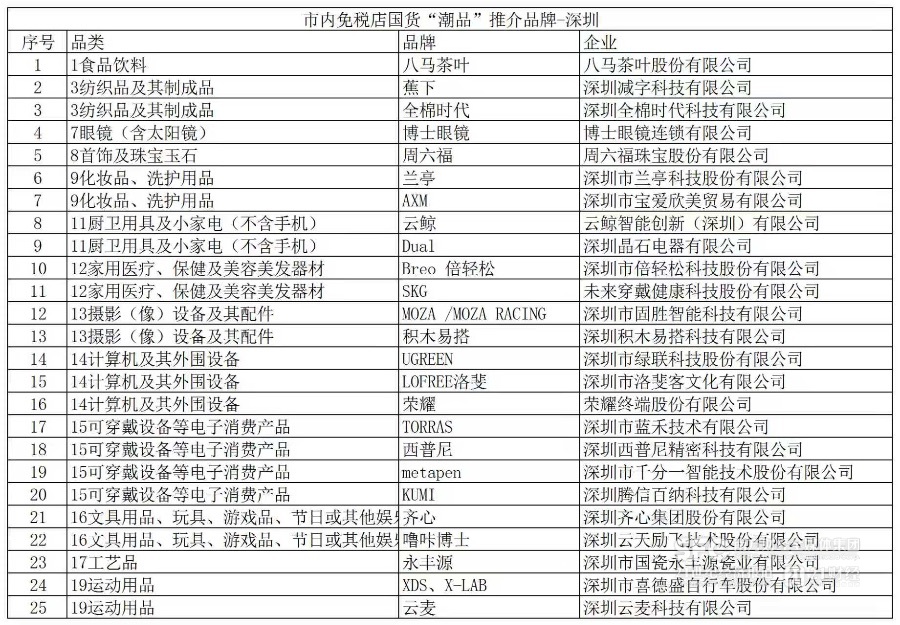
Core Insights - The event held on December 23 in Shenzhen showcased the introduction of domestic brands into duty-free stores, highlighting the growing trend of "Guochao" (national tide) products gaining international market presence [2][3][8] Group 1: Event Overview - The "Guochao Products" promotion event was organized by the Ministry of Commerce, featuring a list of recommended brands for duty-free stores, covering 19 key product categories [2][3] - The event included representatives from various brands, such as Liu's Bamboo Weaving, Honor, and Doctor Glasses, emphasizing the collaboration among domestic brands [1][2] Group 2: Characteristics of Guochao Products - The selected Guochao products exhibit three distinct characteristics: comprehensive category coverage, wide geographical distribution, and deep brand heritage [3][4] - The product categories include food and beverages, leather goods, clothing, crafts, and electronic consumer products, catering to diverse consumer needs [3][4] - A total of 174 brands from 26 cities were included, showcasing both emerging brands from coastal regions and traditional products from central and western China [3][4] Group 3: Market Trends and Consumer Behavior - The entry of Guochao products into duty-free stores reflects a shift in consumer preferences, with domestic products becoming popular among inbound tourists [7][8] - Sales data indicates that products like drones and smartwatches are increasingly favored by international visitors, with some stores reporting a 50% increase in foreign customer traffic [7][8] - The evolution of duty-free stores is moving towards a 3.0 model, positioning them as hubs for showcasing local products and cultural heritage to global consumers [7][8] Group 4: Strategic Implications - The introduction of domestic products into duty-free channels is expected to enhance the international visibility and reputation of Chinese brands, while also meeting domestic demand for high-quality goods [8][9] - The Guangdong-Hong Kong-Macau Greater Bay Area Research Institute suggests that leveraging the 3.0 upgrade in inbound shopping can help regions capture tourism opportunities and convert visitor traffic into consumption growth [8][9]
中秋国庆游华强北:空箱来 满箱归 购物就选中国电子第一街
Nan Fang Du Shi Bao· 2025-09-25 17:33
Core Insights - Shenzhen Huaqiangbei is transforming from a traditional electronics market into an international business hub that integrates technology, fashion, culture, and innovation [1][6] Group 1: Innovative Products - The AI translator developed by Shenzhen Jia'e Intelligent Co., Ltd. supports real-time translation for over 144 languages and has a response time of just 0.5 seconds with 98% accuracy, making it essential for global business travelers [2] - The M80 translator from Shenzhen Zhixuetong Technology Co., Ltd. features an offline Cantonese translation engine, effectively handling complex mixed-language sentences, which is particularly favored by tourists from Hong Kong and Macau [2] - AI glasses from Huaqiangbei are competitively priced, with basic models available for under 100 yuan, offering features like real-time translation and AR navigation, appealing to global visitors [3] - A smart health monitoring watch from Shenzhen Roger Innovation Technology Co., Ltd. has received national Class II medical device certification, providing precise monitoring of vital health metrics such as heart rate and blood oxygen levels [3][4] Group 2: Consumer Experience - Huaqiangbei is evolving into a multi-dimensional consumer hub, highlighted by the opening of the first IP blind box immersive park, "Light Box World," which attracted over 50,000 visitors within ten days [5] - The Huaqiangbei Museum showcases the history of the industry through a cyberpunk theme, serving as a cultural landmark that embodies Shenzhen's innovative spirit [5] - The integration of technology and fashion is exemplified by the NFC smartphone case from Shenzhen Juzi Tree Technology Co., Ltd., which features a low-power display that does not require charging [4][5] Group 3: Future Outlook - Huaqiangbei is rapidly establishing itself as a comprehensive experience landmark that merges cutting-edge technology, trendy fashion, and diverse culture, positioning itself as a source of new productive forces for the future [6]
从“中国游”到“中国购”——入境旅游消费热潮涌动
Xin Hua Wang· 2025-09-20 23:36
Core Insights - The implementation of a visa-free policy for Russian tourists has led to an increase in inbound tourism and shopping in China, with many foreign visitors eager to explore unique Chinese products [1][2][3] Group 1: Trends in Inbound Tourism - The "China Purchase" trend has emerged as a new wave in inbound tourism, with foreign tourists actively seeking to buy quality Chinese goods during their travels [2][3] - The expansion of visa-free policies and the introduction of convenient services such as immediate tax refunds have significantly boosted the attractiveness of shopping in China for foreign visitors [4][5] Group 2: Shopping Preferences of Foreign Tourists - Foreign tourists are increasingly interested in immersive cultural experiences, with many opting to purchase culturally significant items such as traditional clothing and unique souvenirs [3][7] - The demand for innovative and high-quality Chinese products, including technology and creative cultural items, is on the rise, reflecting a shift in foreign tourists' shopping habits [6][7] Group 3: Policy and Service Enhancements - A series of convenience policies, including visa facilitation and optimized payment systems, have improved the shopping experience for foreign tourists, leading to a notable increase in tax refund claims and overall spending [4][5] - The number of tax refund stores has surpassed 10,000, and the implementation of "immediate tax refund" services is set to expand nationwide by 2025, further enhancing the shopping experience [5]
“中国购”,看看“老外”都买啥——四地商铺探访记
Xin Hua Wang· 2025-08-27 00:17
Group 1: Shopping Trends Among Foreign Tourists - The trend of "China Purchase" is gaining momentum, with inbound tourists expanding their shopping lists and exploring diverse stores, from traditional Chinese clothing to high-tech products [1] - Custom clothing is particularly popular, with many foreign tourists seeking tailored suits and shirts, highlighting the growing recognition of Chinese craftsmanship [2][3] - The South Bund Textile Market has transformed into a hub for custom clothing, attracting a significant number of foreign visitors, especially business travelers [3] Group 2: Technological Products and Smart Devices - In Chengdu, foreign tourists are increasingly interested in high-tech products, such as Huawei's AI smartwatches, which feature advanced health monitoring capabilities [4][5] - The introduction of convenient payment options, including international credit card acceptance on public transport, enhances the shopping experience for foreign visitors [6] - The demand for innovative electronic products is evident in Shenzhen's Huaqiangbei area, where foreign tourists are drawn to unique items like AI glasses and smart home devices [11][12] Group 3: Culinary Experiences - Foreign tourists are actively engaging in local culinary experiences, with many seeking out traditional Cantonese dim sum and other regional delicacies in Guangzhou [7][8] - The "Food in Guangzhou" experience is a significant attraction for international visitors, with a notable increase in the number of foreign diners at local restaurants [9][10] Group 4: Travel and Tourism Statistics - Chengdu's airport has seen a substantial increase in inbound travelers, with over 384.6 million passengers recorded this year, marking an 11.5% year-on-year growth [7] - Guangzhou's Baiyun Airport has also reported impressive figures, with over 1 million inbound travelers, a 123.5% increase compared to the previous year [8]
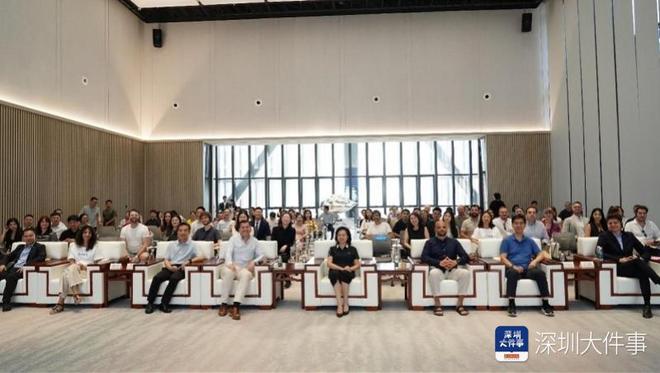
这群欧洲青年被前海“圈粉了”
Nan Fang Du Shi Bao· 2025-07-29 14:35
Core Insights - The event "Innovation Bridge: Shenzhen Let You Know" showcased the rapid development of Qianhai over the past 15 years, transforming from a tidal flat into a world-class innovation center [3][4] - European entrepreneurs expressed admiration for Shenzhen's technological advancements and strong supply chain, highlighting the potential for collaboration in various industries [4] Group 1: Event Overview - The exchange event was held on July 26 at the Qianhai International Talent Innovation Exchange Center, focusing on the achievements of Qianhai's development and innovation ecosystem [3] - Representatives from Qianhai shared their experiences in digital creativity and hard technology incubation, emphasizing the region's institutional openness and entrepreneurial environment [3] Group 2: European Perspectives - European youth leaders shared insights on cutting-edge technologies like artificial intelligence, noting its transformative impact across industries and the opportunities it presents for the younger generation [3][4] - The CEO of Italian tech company Cosysense, Matthias Acosta, praised Qianhai's development as a testament to technology's potential, expressing interest in further collaboration with Chinese firms [4] Group 3: Technological Interest - Delegates showed strong interest in AI products such as photo generation and translation tools, indicating a desire to understand and utilize these advanced technologies [4] - The event fostered genuine connections among participants, transcending mere policy promotion and technology demonstration, and establishing a bridge for future opportunities [4]