陶盆

Search documents
国宝画重点|文物上新!山西辕村遗址的商代文明景象
Xin Hua She· 2025-11-19 10:23
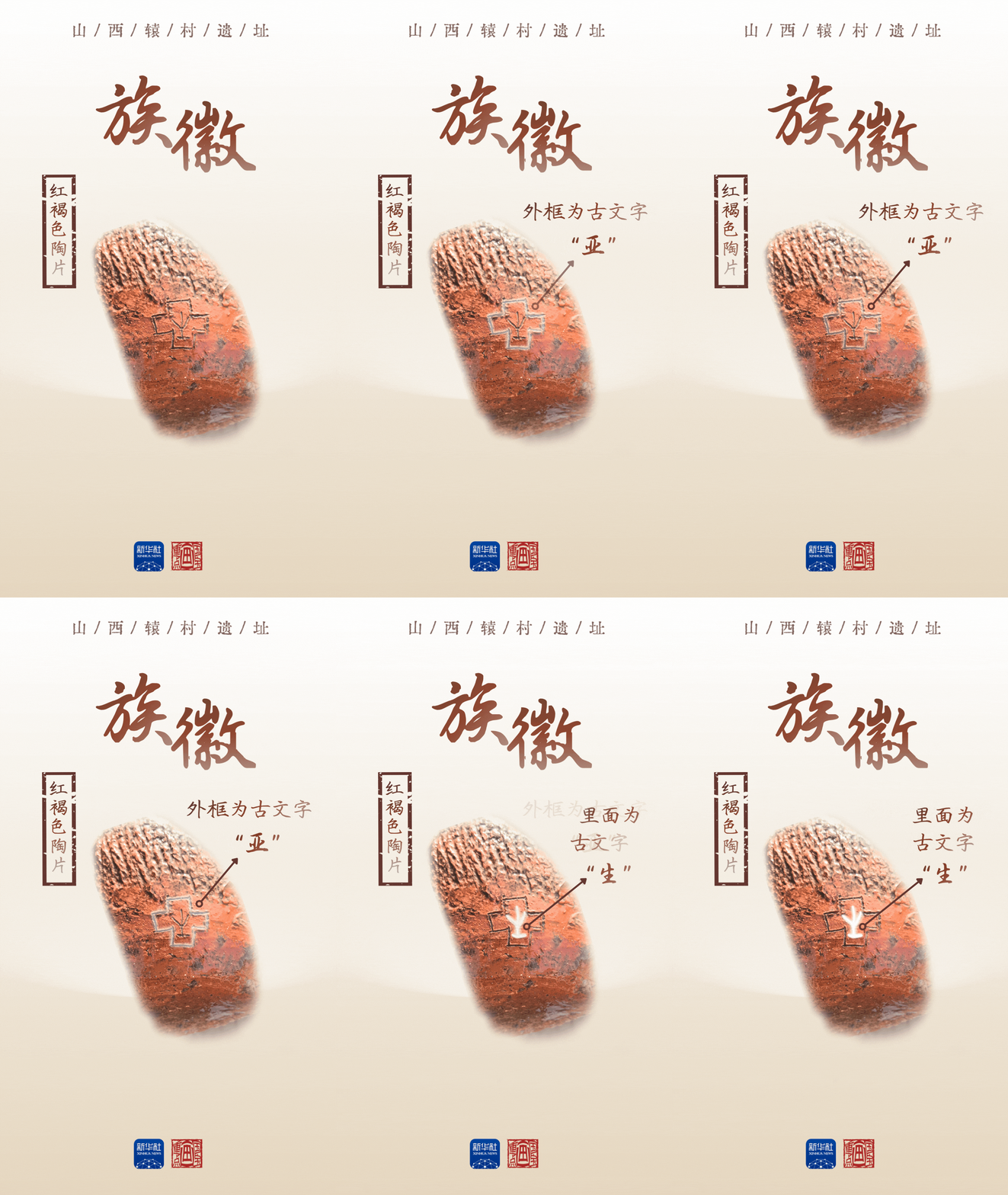
Core Insights - The discovery of the Yancun site in Shanxi Province reveals significant archaeological findings from the Neolithic and Xia-Shang periods, including the first-ever discovery of a clan emblem from the Late Shang period [1][4] - The site provides crucial insights into the culture of the Shang Dynasty in the Jin Nan region, with a rich array of artifacts, particularly pottery, indicating a shift towards more practical uses in daily life [4][19] Archaeological Findings - The Yancun site is located approximately 4 kilometers from the ancient Yuncheng Salt Lake, suggesting it was a settlement for small to medium nobility during the Shang Dynasty, strategically positioned along transportation routes [22] - The excavation revealed a variety of pottery, including ding (tripod cauldrons), gui (basin), and jars, which were the most commonly found artifacts, reflecting the daily life and burial customs of the time [8][15] - The presence of bronze and jade ritual vessels in two tombs indicates the status of the individuals buried there, suggesting they belonged to a small noble class [19] Cultural Significance - The clan emblem discovered, featuring the ancient character "亚" and a motif resembling a sprouting seedling, is believed to represent a family with military authority, marking a significant find in archaeological studies [4] - The artifacts, particularly the pottery, are seen as a reflection of the deceased's life, adhering to the Shang belief of "treating the dead as the living" [5] - The findings provide important clues regarding the ancient salt industry in Yuncheng, highlighting the community's engagement in resource development and management [23]

山西公布长治市高新区明代早期家族墓地考古发掘资料
Yang Shi Xin Wen· 2025-09-06 06:55
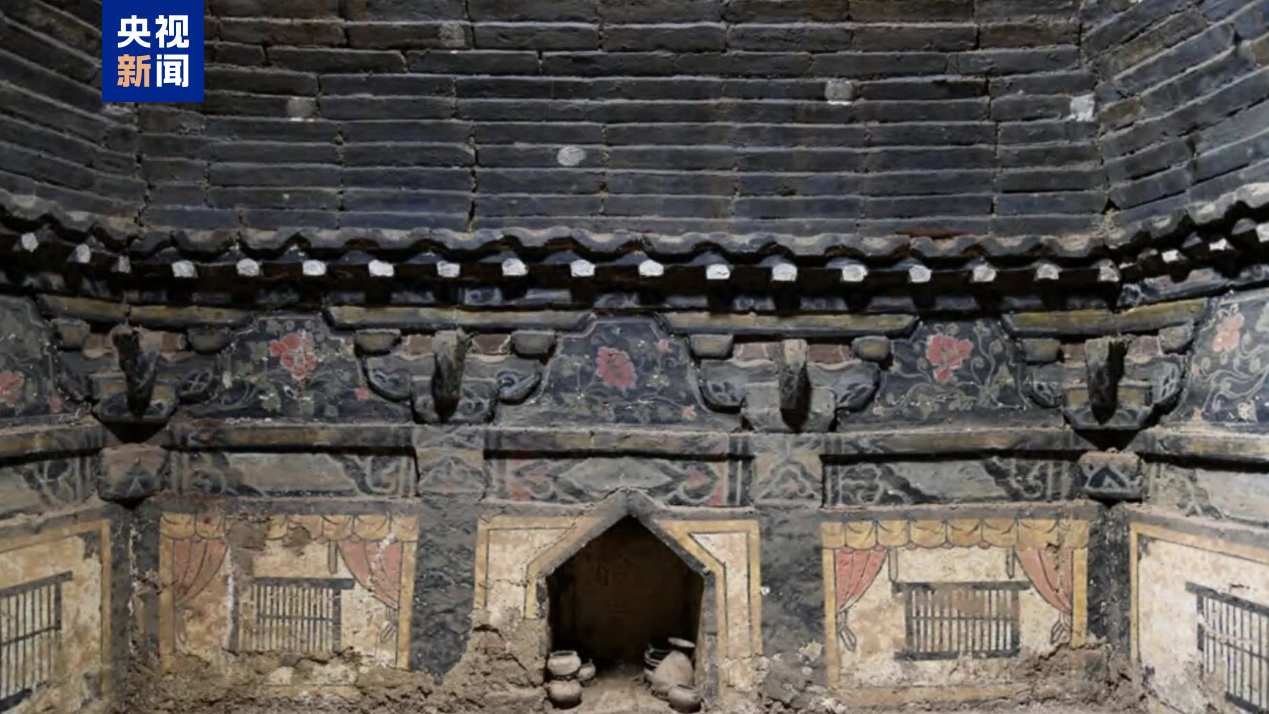
Core Viewpoint - The excavation of an early Ming Dynasty family tomb in Changzhi High-tech Zone, Shanxi Province, provides new materials for the study of early Ming burial customs [1][7]. Group 1: Excavation Details - The early Ming family tomb is located approximately 500 meters north of the intersection of North Ring West Street and West Ring Road in Changzhi, Shanxi [2]. - The archaeological excavation was conducted from June to July 2021 by the Shanxi Provincial Archaeological Research Institute and the Changzhi City Cultural Heritage Protection Research Center, uncovering three brick chamber tombs with wall paintings and a ceremonial hall [5]. Group 2: Artifacts and Dating - Artifacts discovered include porcelain cups, bowls, earthenware basins, plates, and incense burners. The presence of "Hongwu Tongbao" copper coins indicates that the tomb dates back no later than 1368 AD, suggesting it is from the early Ming Dynasty [7]. - The scale of the tomb construction and the accompanying artifacts imply that the tomb belonged to a wealthy local family or a minor official, contributing valuable insights into early Ming burial practices [7].