
青田铺蹄

Search documents
(新春走基层)浙江侨乡:一顿团圆饭里的家乡味与国际范
Xin Lang Cai Jing· 2026-02-19 13:47
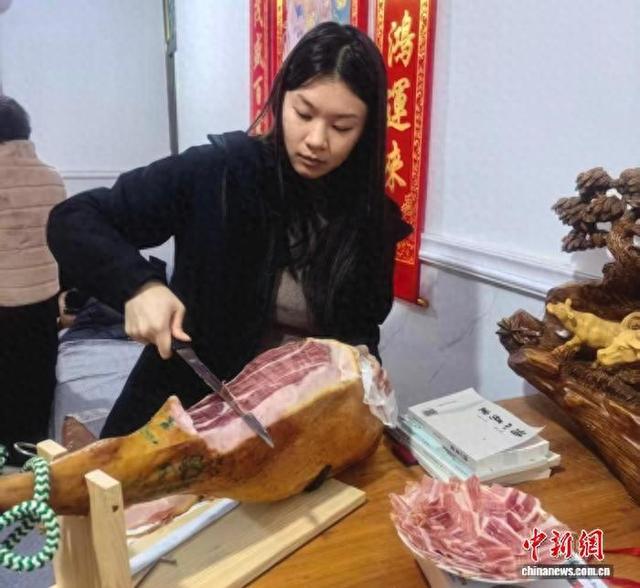
Core Viewpoint - The article highlights the blend of local flavors and international influences in the hometown of Qingtian, Zhejiang, as exemplified by a family reunion dinner that features traditional dishes alongside imported delicacies [1][2]. Group 1: Local Cuisine - Qingtian is known for its rich culinary heritage, with dishes like Qingtian Puhui being a staple at family gatherings, symbolizing the reunion and nostalgia of the local community [1]. - Qingtian Puhui is made from pork front leg meat, prepared in a specific way to achieve a balance of flavors and textures, representing the essence of Qingtian's culinary tradition [1]. Group 2: International Influence - The family reunion dinner also included international items such as Spanish ham and French red wine, showcasing the integration of global flavors into local dining experiences [2]. - Qingtian has established itself as a hub for imported goods, with the Qingtian Imported Goods City offering over 100,000 types of products from around the world, allowing locals to access international delicacies without relying on overseas purchases [5].

“侨”在巴西:做美食,解乡愁
Zhong Guo Xin Wen Wang· 2025-10-09 12:57
Core Insights - The article highlights the cultural significance of food among the Chinese diaspora in Brazil, particularly during the "Gathering Mid-Autumn" carnival, which attracted approximately 350,000 visitors over two days [1] - The event showcased a variety of traditional Chinese foods, emphasizing the connection to home and nostalgia for the Chinese community in Brazil [2][3] Group 1: Event Overview - The "Gathering Mid-Autumn" carnival was a two-day event that drew around 350,000 attendees, with a notable increase in participation from younger generations [1] - The food stalls, particularly those offering traditional dishes from Fujian province, were extremely popular, indicating a strong demand for authentic Chinese cuisine in Brazil [1] Group 2: Cultural Significance - The article discusses the emotional connection that the Chinese community has with traditional foods, such as "礼饼" (gift cakes), which are particularly cherished during festive occasions [2] - The presence of young entrepreneurs, like a bartender using traditional ingredients for cocktails, reflects a blend of cultural heritage and modern business initiatives within the diaspora [2] - The article also mentions the efforts of families to recreate traditional rural life in Brazil, showcasing the importance of maintaining cultural ties through food and community activities [2][3] Group 3: Community Engagement - The article notes that the Chinese community in Brazil, numbering around 300,000, actively participates in sharing and promoting their culinary traditions, fostering a sense of community and belonging [3] - The involvement of various family members in food preparation and sharing highlights the communal aspect of Chinese culinary practices, reinforcing social bonds among the diaspora [3]