
灯盏糕

Search documents
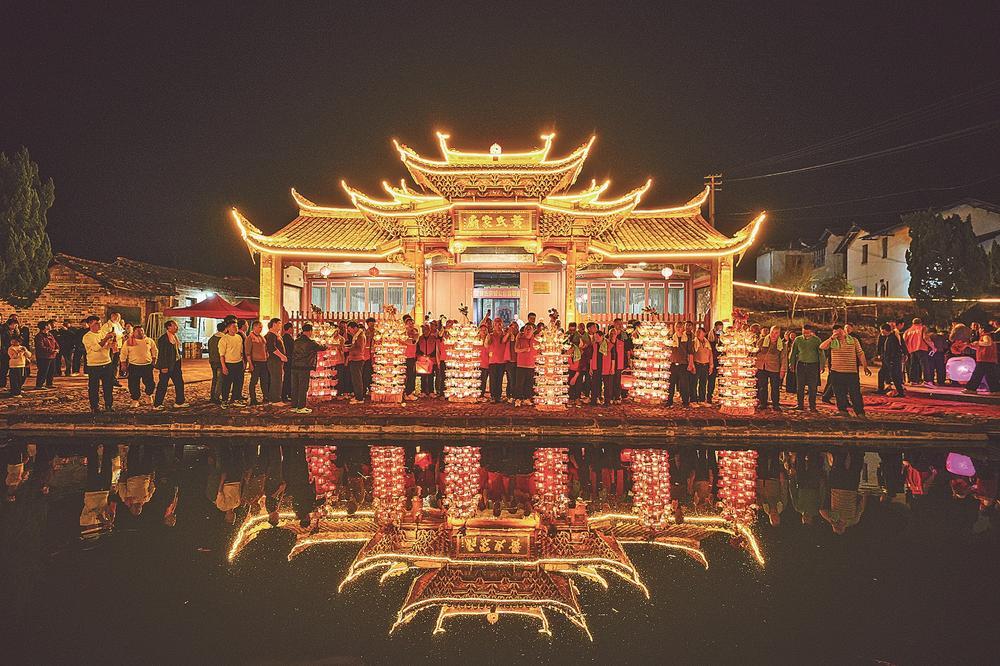
连城:非遗闹新春 文旅掀热潮
Xin Lang Cai Jing· 2026-02-27 23:36
Core Viewpoint - The article highlights the vibrant cultural activities and traditional customs of Liancheng during the Spring Festival, showcasing the region's rich Hakka heritage and its impact on tourism and local economy [2][3][4] Group 1: Cultural Activities - Over 80 unique folk activities were held, emphasizing the Hakka intangible cultural heritage, making Liancheng a cultural highlight during the Spring Festival [2] - Traditional customs such as the "Li Chun Niu" ceremony and the "Er Yue Er" lantern festival were prominently featured, reflecting the local agricultural traditions and community spirit [2][3] - The "Ba Long" dragon dance and "Ban Deng Long" performances demonstrated the strength and unity of the community, with significant participation from local villagers [3] Group 2: Economic Impact - Liancheng's tourism saw a significant increase, with 1.0771 million visitors during the Spring Festival, marking a 16.06% year-on-year growth [4] - Total tourism revenue reached 1.149 billion yuan, reflecting a 14.6% increase compared to the previous year [4] - Sales of intangible cultural products surged by 30%, indicating a strong market for local crafts and cultural experiences [4] Group 3: Community Engagement - The integration of traditional performances with modern tourism strategies created an immersive experience for visitors, enhancing the appeal of local attractions [4] - Events like the music concert and martial arts competitions attracted large crowds, showcasing the vitality of traditional arts among younger generations [4]

龙岩连城:文旅盛宴引客来 消费热潮燃新春
Sou Hu Cai Jing· 2026-02-22 13:09
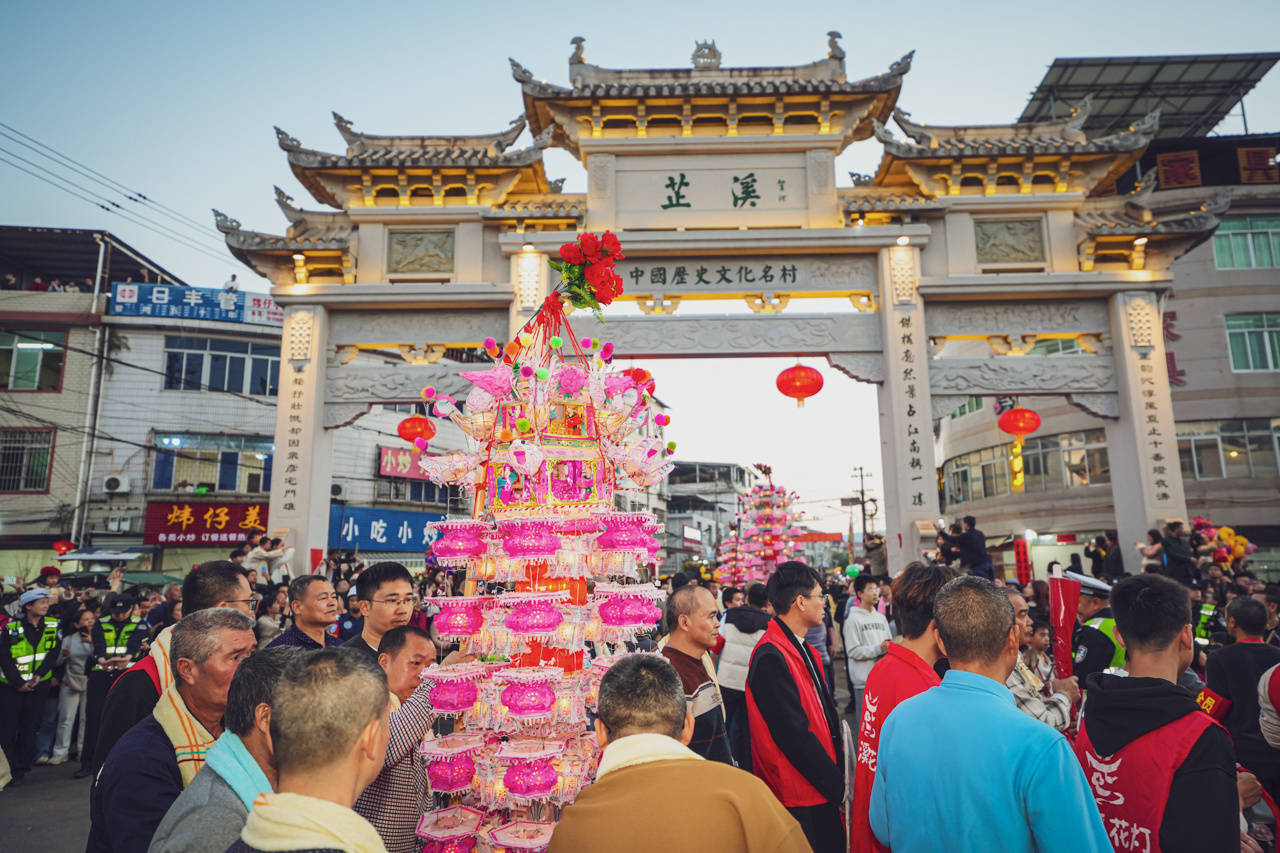
Core Insights - The article highlights the vibrant cultural and tourism activities in Liancheng during the Year of the Horse Spring Festival, showcasing over 80 unique folk events that integrate Hakka culture and intangible heritage [1][2] Group 1: Cultural and Tourism Activities - Liancheng has developed a series of cultural activities including folk performances, music concerts, and traditional customs, creating a full-day experience for visitors [1][2] - Key attractions such as the Sijiao Well Historical Cultural District, Guanzhu Mountain, and Peitian Ancient Village are linked to enhance the tourism experience [1] - Traditional cultural elements like the wooden puppet show and ten-piece music performances are presented in a way that allows for both viewing and participation, promoting cultural consumption [2] Group 2: Economic Impact - During the Spring Festival period, Liancheng received 922,000 visitors, marking a 6.8% increase year-on-year [7] - The total tourism revenue reached 982 million yuan, reflecting a 5.36% growth compared to the previous year, indicating a robust performance in the cultural tourism market [7] - The sales of cultural and creative products related to the Year of the Horse increased by 30%, demonstrating a strong consumer interest in local heritage [2] Group 3: Future Development - The local government plans to continue leveraging Hakka culture and intangible heritage resources to enhance tourism offerings and optimize consumer experiences [7] - There is a focus on high-quality, personalized, and experiential consumption as the main trend for future tourism development [7]
“侨”在巴西:做美食,解乡愁
Zhong Guo Xin Wen Wang· 2025-10-09 12:57
Core Insights - The article highlights the cultural significance of food among the Chinese diaspora in Brazil, particularly during the "Gathering Mid-Autumn" carnival, which attracted approximately 350,000 visitors over two days [1] - The event showcased a variety of traditional Chinese foods, emphasizing the connection to home and nostalgia for the Chinese community in Brazil [2][3] Group 1: Event Overview - The "Gathering Mid-Autumn" carnival was a two-day event that drew around 350,000 attendees, with a notable increase in participation from younger generations [1] - The food stalls, particularly those offering traditional dishes from Fujian province, were extremely popular, indicating a strong demand for authentic Chinese cuisine in Brazil [1] Group 2: Cultural Significance - The article discusses the emotional connection that the Chinese community has with traditional foods, such as "礼饼" (gift cakes), which are particularly cherished during festive occasions [2] - The presence of young entrepreneurs, like a bartender using traditional ingredients for cocktails, reflects a blend of cultural heritage and modern business initiatives within the diaspora [2] - The article also mentions the efforts of families to recreate traditional rural life in Brazil, showcasing the importance of maintaining cultural ties through food and community activities [2][3] Group 3: Community Engagement - The article notes that the Chinese community in Brazil, numbering around 300,000, actively participates in sharing and promoting their culinary traditions, fostering a sense of community and belonging [3] - The involvement of various family members in food preparation and sharing highlights the communal aspect of Chinese culinary practices, reinforcing social bonds among the diaspora [3]