青铜剑

Search documents
2025年度浙江考古重大发现公布 宁波2处遗址入选
Xin Hua Wang· 2026-01-31 01:55
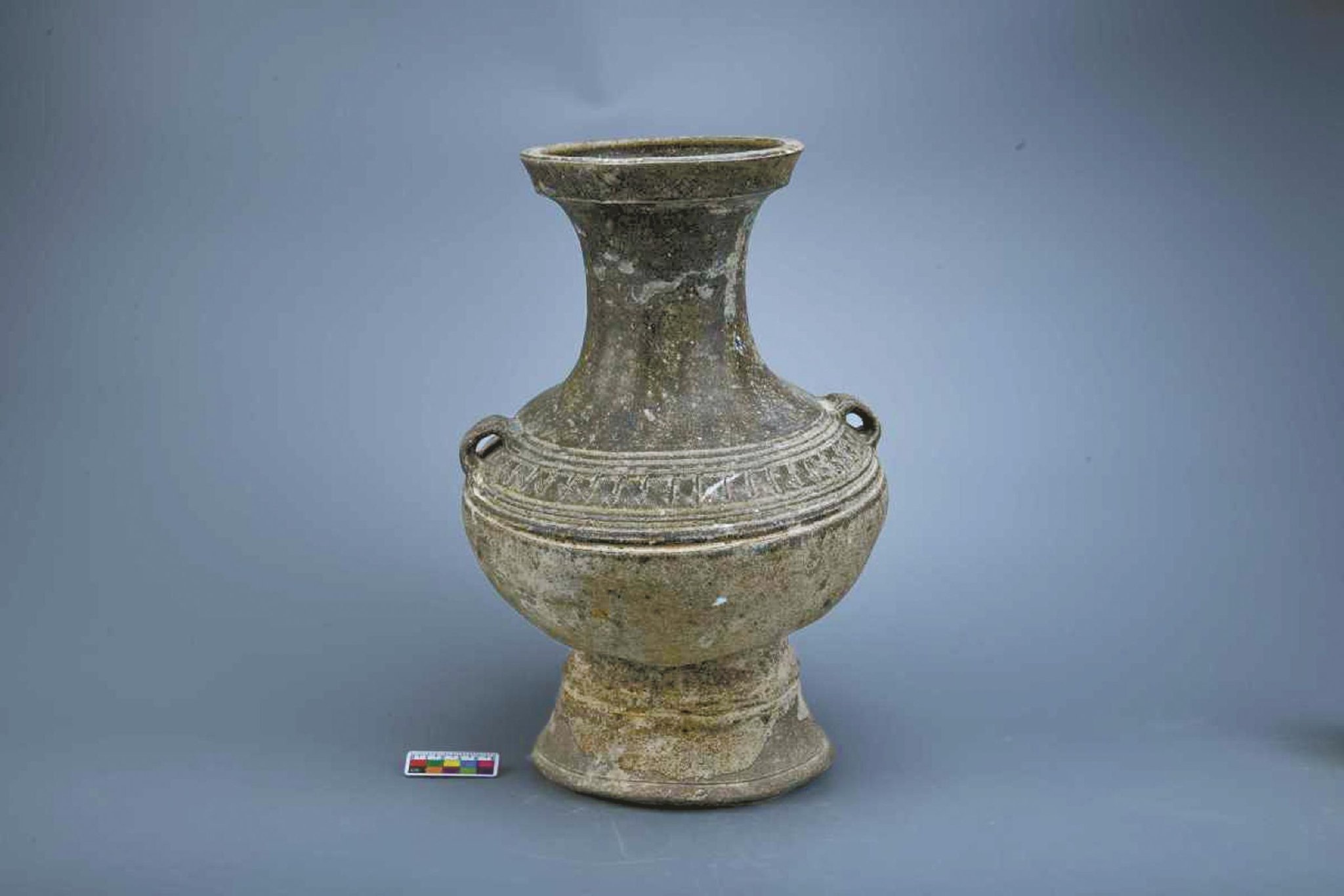
Group 1 - The 2025 major archaeological discoveries in Zhejiang include the successful selection of the Yujiao Bridge site and the Guotangao kiln site in Ningbo [2][3] - The Yujiao Bridge site covers an area of approximately 30,000 square meters, with archaeological excavations revealing over 250 relics, including house sites, tombs, and various artifacts totaling more than 1,400 items [2] - The findings at the Yujiao Bridge site provide significant insights into the cultural phases from Hemudu culture to the Shang and Zhou dynasties, indicating the settlement's importance during the Western Zhou to Spring and Autumn periods [2] Group 2 - The Guotangao kiln site features a 22.5-meter-long Eastern Han period dragon kiln, which is the largest and steepest of its kind discovered in Zhejiang [3] - A total of 292 small artifacts were unearthed at the Guotangao kiln site, primarily consisting of kiln tools and products, contributing new clues to the study of black glaze porcelain origins [3] - The Guotangao kiln site is positioned at a critical transitional area in the geographical distribution of early and mid-period Yue kilns, enhancing the understanding of the overall development of Yue kilns [3]

千年古城见证北疆史诗
Ren Min Ri Bao Hai Wai Ban· 2025-09-23 01:49
Core Insights - The article discusses the historical significance and archaeological findings of the Tu Cheng Zi site in Inner Mongolia, which spans over 2000 years from the Spring and Autumn period to the Yuan dynasty, showcasing the integration of various cultures and civilizations in ancient China [2][3][5][6]. Summary by Sections Historical Context - The Tu Cheng Zi site was established by the Tuoba Xianbei before the Northern Wei dynasty moved its capital to Luoyang in 494 AD, serving as a foundational city for the dynasty [2]. - The site has been recognized as a national key cultural relic protection unit since 2001 and is set to officially open as a national archaeological site park in August 2025 [2]. Archaeological Findings - The site covers an area of approximately 3.32 million square meters, with city walls ranging from 0.5 to 10 meters in height and a total length exceeding 8800 meters [3]. - The archaeological excavations from 1959 to 2017 revealed a complex of four nested ancient cities, each representing different historical periods, including the Spring and Autumn period, the Warring States period, and the Northern Wei dynasty [3][5]. Cultural Artifacts - Over 10,000 artifacts have been unearthed, reflecting a rich historical sequence and showcasing the cultural exchanges between various ethnic groups [6]. - Notable artifacts include a bronze sword from the late Spring and Autumn period, which bears inscriptions and is linked to historical figures, illustrating interactions between the Central Plains and northern nomadic tribes [7][8]. Educational and Cultural Initiatives - The Tu Cheng Zi National Archaeological Site Park incorporates educational programs and cultural activities, promoting public engagement and awareness of the site's historical significance [11]. - The park features various exhibition areas, including a museum that displays representative artifacts and utilizes multimedia presentations to enhance visitor experience [6][11].