
青铜鼎

Search documents
国博邀约!楚国王级大墓考古精华大赏!
Xin Lang Cai Jing· 2025-12-24 16:48
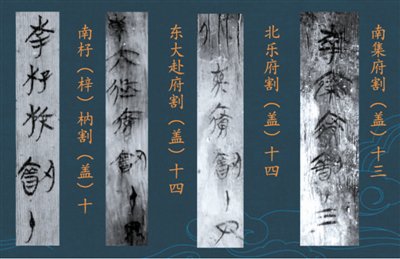
Core Insights - The "Encountering the King of An Hui: Archaeological Achievements of the Wuwangdun No. 1 Tomb" exhibition will showcase artifacts from the tomb, marking the first time Anhui's cultural relics are displayed at the National Museum of China [4] - The exhibition will last for four months, presenting over ten thousand artifacts that provide insights into the material culture, ritual norms, and craftsmanship of the late Warring States period in the Chu state [4][10] Group 1: Archaeological Significance - The Wuwangdun No. 1 Tomb is of significant archaeological importance, having been excavated over five years since March 2020, and is recognized as one of the top ten archaeological discoveries in China for 2024 [4] - The tomb's artifacts include a complete set of bronze ritual vessels, which reflect the highest ceremonial standards of the time, including a large bronze ding that surpasses previously known examples in size [5][10] Group 2: Cultural Artifacts - The tomb yielded a variety of bronze ritual vessels, including two complete sets of nine ding and eight gui, showcasing the exquisite craftsmanship of Chu bronze work [5] - The discovery of over 100 sentences and 1,500 characters of ink inscriptions on wooden artifacts provides critical insights into the historical context of the Chu state, including administrative and cultural exchanges with neighboring regions [7] Group 3: Daily Life and Customs - Artifacts related to music and daily life, such as bronze bells and stone chimes, illustrate the social customs and musical practices of the late Warring States period in Chu [8] - The tomb also contained remains of 17 animal species and 13 plant species, reflecting the dietary structure and agricultural development during the reign of King Kuaile of Chu [9] Group 4: Architectural Innovation - The Wuwangdun No. 1 Tomb is noted for its complex structure, featuring a unique "Y" shaped design with 1,358 wooden coffins, showcasing advanced construction techniques of the Chu state [10] - The exhibition serves as a vital opportunity for the public to engage with the rich cultural heritage of the Chu civilization, highlighting the integration of diverse cultural elements throughout Chinese history [10]

看完徽州的粉墙黛瓦,别忘了到这个博物馆看一看|博物馆巡游
Jing Ji Guan Cha Bao· 2025-06-28 00:10
Core Viewpoint - The article highlights the significance of the Huizhou History Museum, emphasizing its role in showcasing the rich cultural heritage and historical significance of the Huizhou region in China, particularly through its artifacts and architectural style [1][3]. Group 1: Museum Overview - The Huizhou History Museum is located in the ancient city of Huizhou, blending seamlessly with the local architecture, providing visitors with a unique experience of both the museum's exhibits and the historical context of Huizhou's architectural style [3]. - The museum features various artifacts that reflect the historical and cultural development of Huizhou, including the famous Huizhou three carvings: brick carving, stone carving, and wood carving [3][4]. Group 2: Historical Significance - Huizhou originated in the 9th year of the Kaihuang era (589 AD) under the Sui Dynasty and was renamed Huizhou during the Northern Song Dynasty, becoming a significant political, economic, and cultural region over the subsequent dynasties [3]. - The region produced approximately 2,000 successful candidates in the imperial examination system, indicating a flourishing educational and cultural environment, with notable figures such as Zhu Xi, Cheng Dawei, Dai Zhen, and Hu Shi emerging from this area [2][3]. Group 3: Artifacts Displayed - The museum houses a variety of historical artifacts, including bronze vessels from the Western Zhou period, pottery from the Han dynasty, and various ceramics from the Tang, Song, and Ming dynasties, showcasing the evolution of craftsmanship and artistic expression in Huizhou [5][6][7].