
徽文化

Search documents
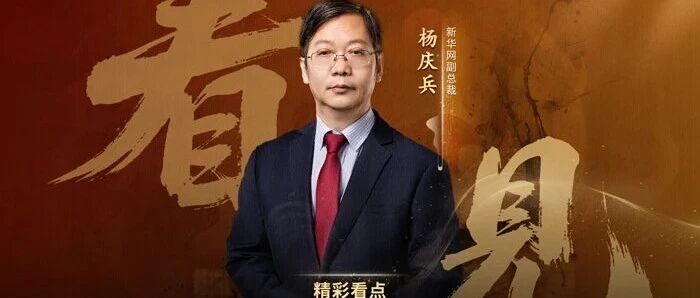
新华网副总裁杨庆兵分享“徽”字文化见解
新华网财经· 2026-02-12 04:57
Group 1 - The core viewpoint emphasizes the integration of mountains, water, people, and culture in the character "徽", reflecting the essence of Huizhou culture [1] - The company Kouzi Jiao embodies the craftsmanship of "slow work and fine products", showcasing a commitment to quality and the deep cultural heritage of Huizhou [1]

2026安徽卫视春晚圆满完成录制
Xin Lang Cai Jing· 2026-02-04 17:28
Core Viewpoint - The 2026 Anhui Satellite TV Spring Festival Gala successfully completed its recording, themed "Our Spring," focusing on real-life scenarios of the public and integrating various artistic expressions to create a cultural feast that reflects Anhui's heritage and contemporary spirit [1][2] Group 1: Event Overview - The gala features a star-studded lineup including popular singers and performers such as Gigi Leung, Liu Yu, and Li Si-Dan-Ni, alongside renowned artists like Huangmei Opera performer Han Zaifen and international violin gold medalist Zhang Ao-Zhe [1] - The event emphasizes the integration of Anhui culture with modern elements, showcasing traditional arts through innovative presentations, such as a medley of various operas [1] Group 2: Artistic and Technological Integration - The gala incorporates technology into performances, exemplified by a collaboration between violinist Zhang Ao-Zhe and a robot, highlighting human-machine synergy [2] - The dance performance "Chasing the Sun" draws inspiration from Anhui's "artificial sun," merging technology with artistic expression, while showcasing local technological achievements [2] Group 3: Broadcast Information - The 2026 Anhui Satellite TV Spring Festival Gala is scheduled to air on the 28th day of the twelfth lunar month, promising a blend of fashion, technology, and warmth for audiences nationwide [2]
老街书香润童心,绘本阅读育新苗
Xin Lang Cai Jing· 2026-01-31 05:00
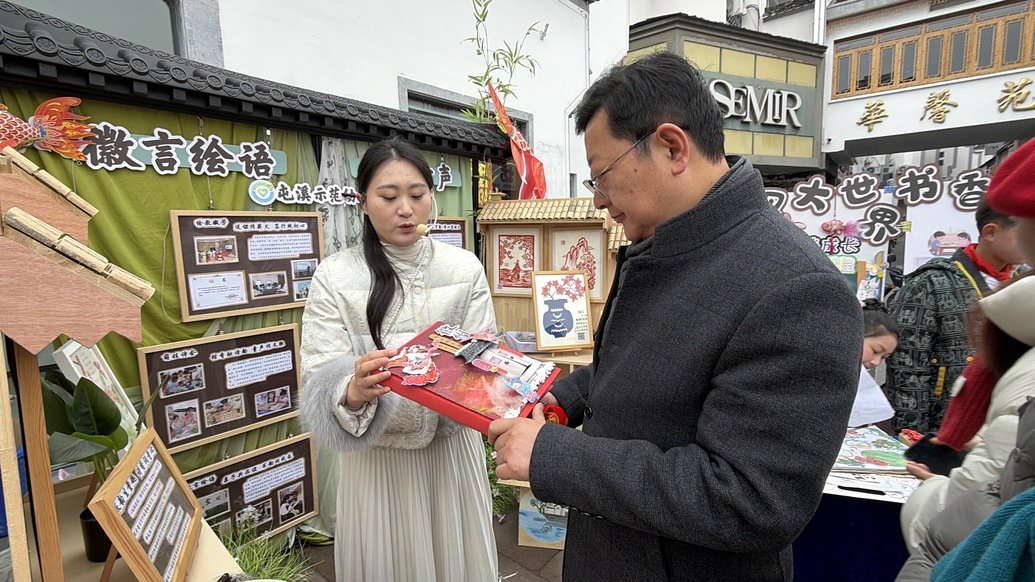
Group 1 - The core activity involved the participation of Tunxi Demonstration Kindergarten in a themed reading achievement display event organized by the Tunxi District Education Bureau, aimed at enhancing the "Reading-Culture" integration [1] - The event transformed Tunxi Old Street into a vibrant "book fragrance painting," showcasing various thematic displays such as "China in Picture Books" and "Cute Kids Poetry Meeting," which linked local culture with reading [3] - Interactive experience zones featured engaging games like "Guess the Ancient Poem" and "Little Lion Dance," designed to stimulate children's interest in reading through fun and educational activities [5] Group 2 - The event successfully extended picture book reading into a historical district, allowing children to immerse themselves in Huizhou culture while enhancing their reading interest [7]
看完徽州的粉墙黛瓦,别忘了到这个博物馆看一看|博物馆巡游
Jing Ji Guan Cha Bao· 2025-06-28 00:10
Core Viewpoint - The article highlights the significance of the Huizhou History Museum, emphasizing its role in showcasing the rich cultural heritage and historical significance of the Huizhou region in China, particularly through its artifacts and architectural style [1][3]. Group 1: Museum Overview - The Huizhou History Museum is located in the ancient city of Huizhou, blending seamlessly with the local architecture, providing visitors with a unique experience of both the museum's exhibits and the historical context of Huizhou's architectural style [3]. - The museum features various artifacts that reflect the historical and cultural development of Huizhou, including the famous Huizhou three carvings: brick carving, stone carving, and wood carving [3][4]. Group 2: Historical Significance - Huizhou originated in the 9th year of the Kaihuang era (589 AD) under the Sui Dynasty and was renamed Huizhou during the Northern Song Dynasty, becoming a significant political, economic, and cultural region over the subsequent dynasties [3]. - The region produced approximately 2,000 successful candidates in the imperial examination system, indicating a flourishing educational and cultural environment, with notable figures such as Zhu Xi, Cheng Dawei, Dai Zhen, and Hu Shi emerging from this area [2][3]. Group 3: Artifacts Displayed - The museum houses a variety of historical artifacts, including bronze vessels from the Western Zhou period, pottery from the Han dynasty, and various ceramics from the Tang, Song, and Ming dynasties, showcasing the evolution of craftsmanship and artistic expression in Huizhou [5][6][7].