非遗项目(如泉州簪花围

Search documents
曾经被冷落的非遗,正在成为一门暴利生意
虎嗅APP· 2025-11-13 00:09
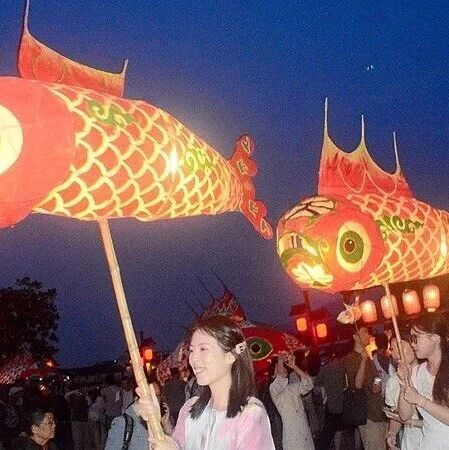
Core Insights - The article discusses the recent surge in popularity of intangible cultural heritage (ICH) in China, highlighting its transformation into a lucrative business opportunity [3][4][5]. Group 1: Market Trends - In the first half of 2025, the volume of "ICH" related content published reached 145.7% of the total for 2024, indicating a significant increase in consumer interest [3]. - Popular ICH projects such as the Tangshan banquet and the Zigong Lantern Festival have generated substantial revenues, with the Tangshan banquet earning 1.6 billion yuan from local ICH snacks and the Zigong Lantern Festival earning 2.12 billion yuan from ticket sales [4][19]. Group 2: Consumer Demand - The resurgence of ICH is driven by a mismatch between supply and demand in the cultural tourism market, where diverse consumer needs are not being met by existing offerings [8][10]. - Consumers are increasingly seeking experiences that reflect local culture and heritage, moving away from traditional sightseeing to a focus on cultural beauty and local life [12]. Group 3: Business Models - Successful ICH projects follow a common commercial iteration path, evolving from non-standard products to standardized goods, which allows for mass production and broader market reach [20][23]. - The Tangshan banquet exemplifies this model by integrating local ICH snacks into a cohesive cultural experience, enhancing consumer engagement and driving sales [18][22]. Group 4: Digital and Platform Strategies - Major digital platforms are actively promoting ICH, as seen with the viral success of the Huizhou fish lanterns, which received 6.4 billion views on Douyin during the Spring Festival [24][25]. - OTA platforms like Ctrip are also investing in ICH experiences, collaborating with local heritage centers to create immersive cultural experiences that attract tourists [28][29]. Group 5: Future Outlook - The article predicts that ICH will become a significant focus of cultural tourism consumption in the next 2-3 years, driven by its ability to meet evolving consumer preferences [13][30].