面肺子

Search documents
美食文旅节目《三餐四季》品味新疆 传统与现代交织出美味
Xin Lang Cai Jing· 2026-02-21 12:07
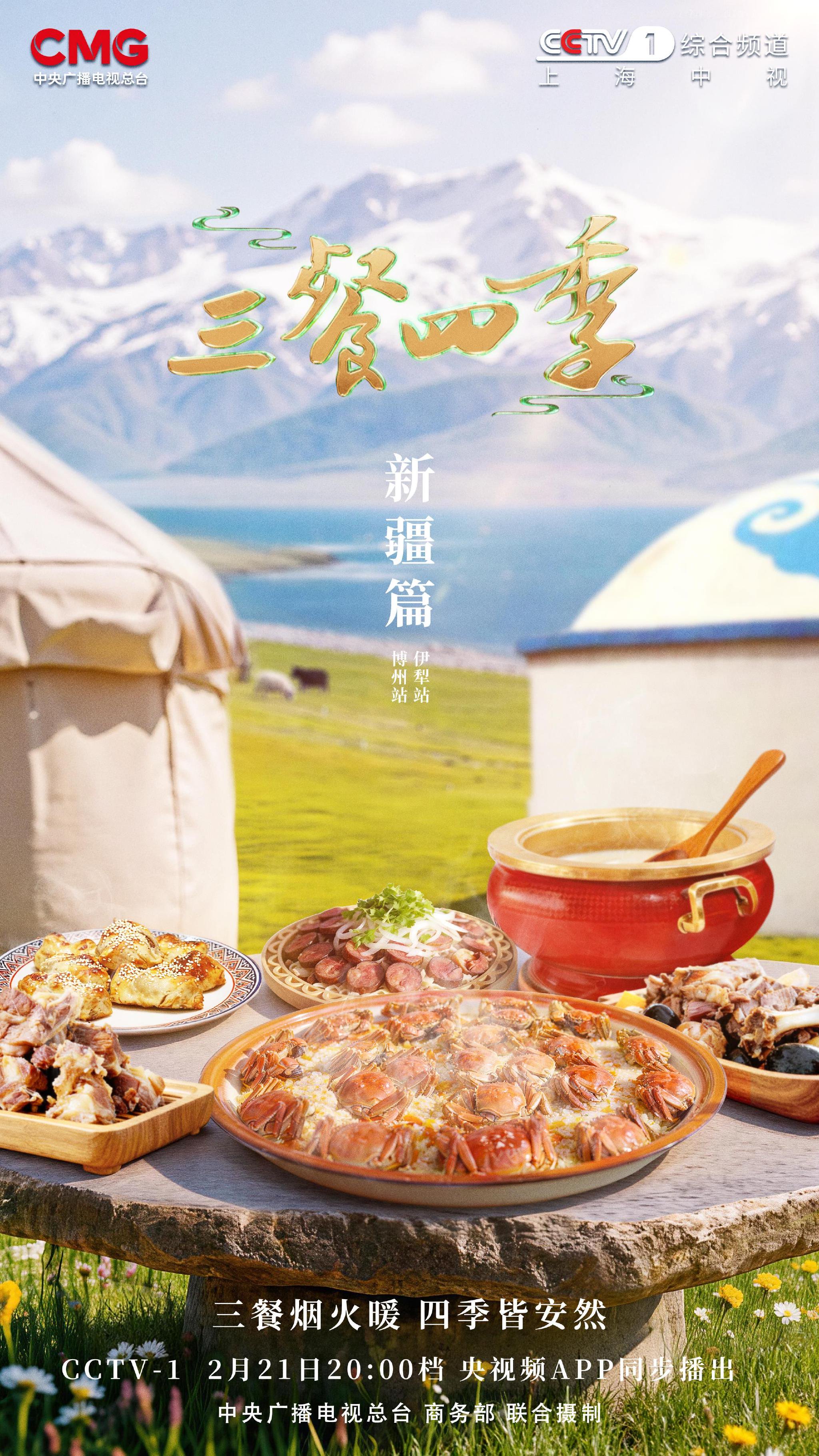
Core Viewpoint - The large-scale culinary and cultural program "Three Meals a Season" explores the rich food culture of Xinjiang, showcasing local delicacies and traditions through a journey in the Ili River Valley and the Bortala Mongol Autonomous Prefecture [1]. Group 1: Culinary Highlights - The program features traditional dishes such as milk wine steamed meat and roasted beef marrow, highlighting the unique flavors of the region [3]. - The experience includes the preparation of stone-cooked meat, which is made using red-hot pebbles and salt-cured lamb, showcasing local cooking techniques [3]. - The tasting of "cold water fish queen" high white salmon at Sayram Lake demonstrates various cooking methods that enhance the fish's flavor, with the delicacy now being exported through the Alashankou port [3]. Group 2: Local Food Culture - In Ili, the simplest way to find good food is by following the smoke and queues, where hand-cut beef dumplings are made with simple ingredients, resulting in a popular local dish [4]. - The unique dish "mian feizi," made from lung leaves and paired with rice sausage, reflects the local culinary creativity and warmth [4]. - Xinjiang is also noted for its aquaculture, with the Nierke County producing up to 6,000 tons of fresh salmon annually, indicating the region's growing significance in the seafood industry [5].

《三餐四季》品味新疆丨一口入心,千年回响
Xin Lang Cai Jing· 2026-02-21 00:48
Core Viewpoint - The article highlights the rich culinary culture of Xinjiang, showcasing its unique food offerings as a reflection of the region's natural resources, cultural heritage, and local development [1][11]. Group 1: Culinary Highlights - The program "Three Meals Four Seasons" features a journey through Xinjiang, emphasizing the diverse and rich flavors of the region, particularly in the Ili River Valley and Bortala Mongol Autonomous Prefecture [1][13]. - Traditional dishes such as "hardcore treasure pot," made with brick tea, fresh milk, and various local ingredients, exemplify the region's culinary wisdom and energy-boosting capabilities [6]. - The "stone-cooked meat" dish, prepared without water and using heated stones, showcases the simplicity and resourcefulness of local cooking methods [8]. Group 2: Unique Ingredients and Dishes - The high white salmon, referred to as the "queen of cold water fish," is prepared in numerous ways, highlighting its flavor potential and connecting it to global markets through the Alashankou port [10]. - The "golden dumpling" made from hand-cut beef and simple seasonings is celebrated for its rich taste and texture, representing the pinnacle of local street food [11]. - The innovative pairing of traditional foods with modern elements, such as the combination of naan and coffee, reflects the region's adaptability and culinary creativity [12]. Group 3: Cultural Significance - The culinary experiences in Xinjiang are intertwined with the region's cultural practices, as seen in the preparation of dishes that embody the nomadic lifestyle and seasonal changes [11][12]. - The use of local ingredients and traditional cooking methods not only preserves the flavors of the region but also tells the story of its historical and cultural significance [1][11].