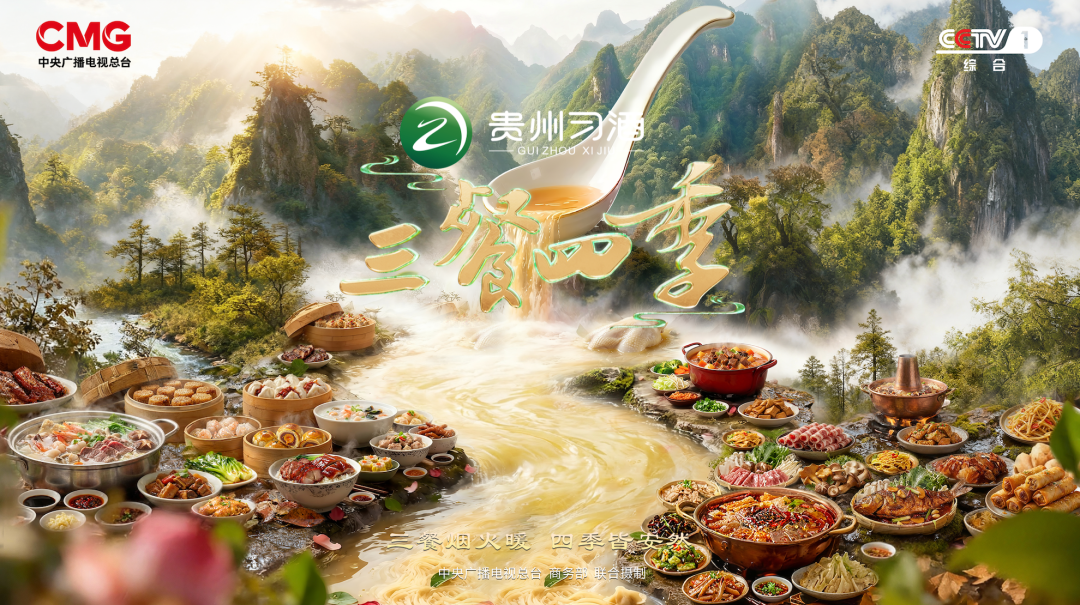
《三餐四季》

Search documents
美食文旅节目《三餐四季》品味新疆 传统与现代交织出美味
Xin Lang Cai Jing· 2026-02-21 12:07
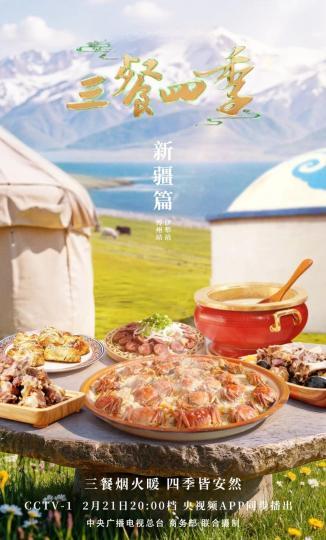
Core Viewpoint - The large-scale culinary and cultural program "Three Meals a Season" explores the rich food culture of Xinjiang, showcasing local delicacies and traditions through a journey in the Ili River Valley and the Bortala Mongol Autonomous Prefecture [1]. Group 1: Culinary Highlights - The program features traditional dishes such as milk wine steamed meat and roasted beef marrow, highlighting the unique flavors of the region [3]. - The experience includes the preparation of stone-cooked meat, which is made using red-hot pebbles and salt-cured lamb, showcasing local cooking techniques [3]. - The tasting of "cold water fish queen" high white salmon at Sayram Lake demonstrates various cooking methods that enhance the fish's flavor, with the delicacy now being exported through the Alashankou port [3]. Group 2: Local Food Culture - In Ili, the simplest way to find good food is by following the smoke and queues, where hand-cut beef dumplings are made with simple ingredients, resulting in a popular local dish [4]. - The unique dish "mian feizi," made from lung leaves and paired with rice sausage, reflects the local culinary creativity and warmth [4]. - Xinjiang is also noted for its aquaculture, with the Nierke County producing up to 6,000 tons of fresh salmon annually, indicating the region's growing significance in the seafood industry [5].

《三餐四季》品味新疆丨一口入心,千年回响
Xin Lang Cai Jing· 2026-02-21 00:48
Core Viewpoint - The article highlights the rich culinary culture of Xinjiang, showcasing its unique food offerings as a reflection of the region's natural resources, cultural heritage, and local development [1][11]. Group 1: Culinary Highlights - The program "Three Meals Four Seasons" features a journey through Xinjiang, emphasizing the diverse and rich flavors of the region, particularly in the Ili River Valley and Bortala Mongol Autonomous Prefecture [1][13]. - Traditional dishes such as "hardcore treasure pot," made with brick tea, fresh milk, and various local ingredients, exemplify the region's culinary wisdom and energy-boosting capabilities [6]. - The "stone-cooked meat" dish, prepared without water and using heated stones, showcases the simplicity and resourcefulness of local cooking methods [8]. Group 2: Unique Ingredients and Dishes - The high white salmon, referred to as the "queen of cold water fish," is prepared in numerous ways, highlighting its flavor potential and connecting it to global markets through the Alashankou port [10]. - The "golden dumpling" made from hand-cut beef and simple seasonings is celebrated for its rich taste and texture, representing the pinnacle of local street food [11]. - The innovative pairing of traditional foods with modern elements, such as the combination of naan and coffee, reflects the region's adaptability and culinary creativity [12]. Group 3: Cultural Significance - The culinary experiences in Xinjiang are intertwined with the region's cultural practices, as seen in the preparation of dishes that embody the nomadic lifestyle and seasonal changes [11][12]. - The use of local ingredients and traditional cooking methods not only preserves the flavors of the region but also tells the story of its historical and cultural significance [1][11].
在“快文化”中积累“慢品味”
Xin Lang Cai Jing· 2026-02-14 03:00
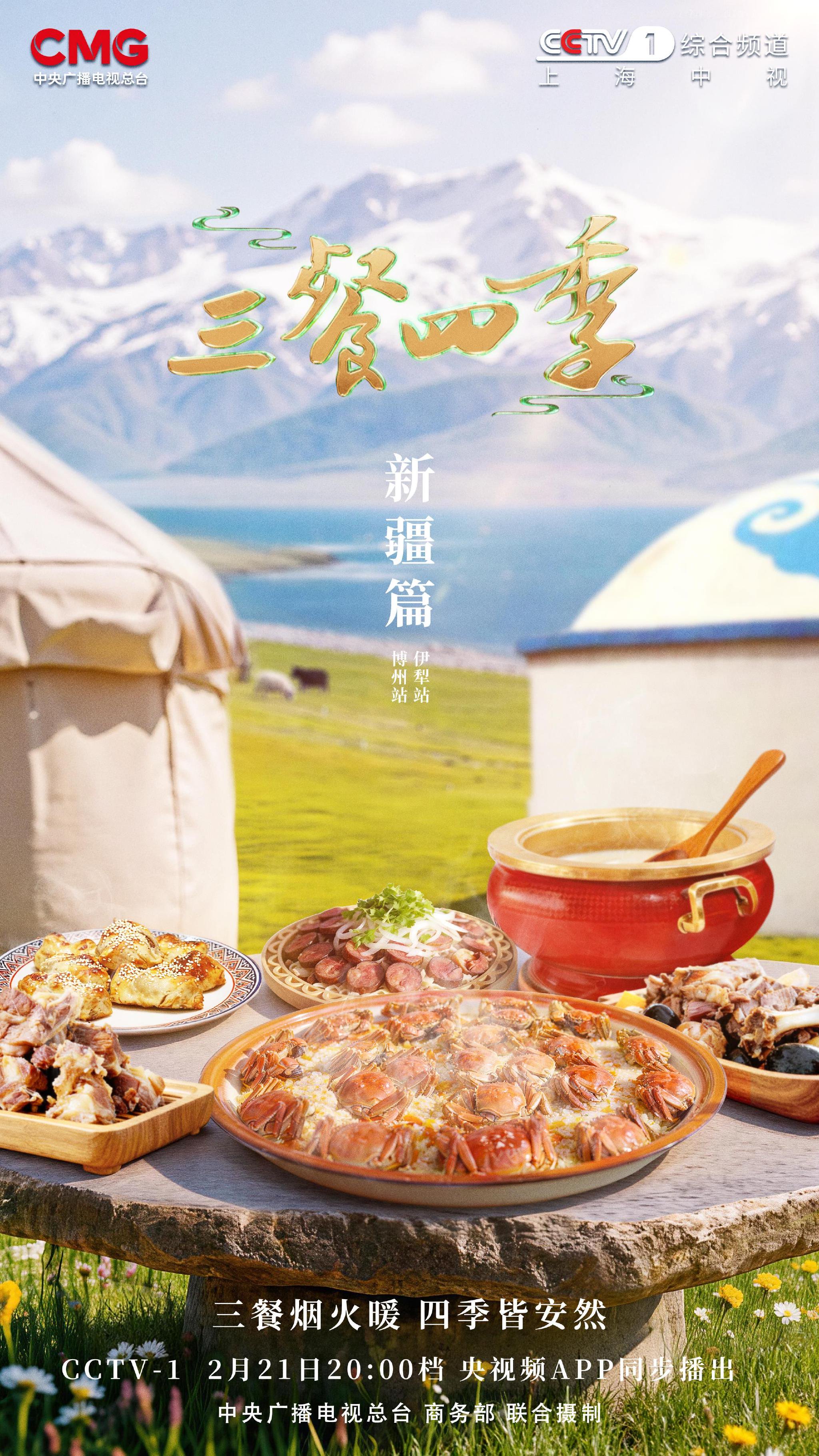
Core Insights - The rise of micro-short dramas is leading to viewer fatigue due to the oversaturation of similar, fast-paced content, prompting a shift towards "quality" productions in the industry [1] - A cultural trend emphasizing "slow appreciation" is emerging, as evidenced by the success of documentaries and historical dramas that resonate deeply with audiences [2][3] Group 1: Industry Trends - The overall user base for short dramas continues to grow, but there are signs of declining user engagement, indicating that simplistic plots may struggle to retain viewers [1] - Documentaries like "Return to the Wolf Pack" and historical dramas such as "The Peaceful Years" are gaining popularity, reflecting a desire for deeper, more meaningful content [1][2] Group 2: Audience Preferences - Young audiences exhibit a duality in content consumption, balancing the fast-paced nature of modern life with a yearning for slower, more reflective narratives that provide emotional solace [2] - The success of programs that focus on everyday life and emotional well-being highlights the audience's need for connection and understanding in a fast-paced world [3][4] Group 3: Cultural Significance - The "slow appreciation" trend is rooted in cultural exploration, moving away from rigid educational narratives to more relatable historical storytelling [3] - Documentaries and cultural programs that resonate emotionally with viewers are seen as essential for providing a sense of comfort and connection to one's roots [4]
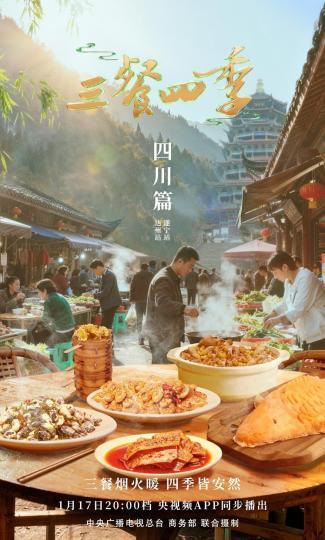
四川美食又“出圈”!央视《三餐四季》解锁遂宁达州寻味之旅
Xin Lang Cai Jing· 2026-01-18 11:16
Core Insights - The article highlights the significance of Sichuan cuisine in the context of the food travel program "Three Meals in Four Seasons," showcasing the unique culinary offerings of the cities of Suining and Dazhou [1] Group 1: Suining's Culinary Scene - Suining is characterized by its vibrant dockside dining culture, with clay pot dishes being a staple, reflecting the local culinary heritage [4] - The city has a thriving clay pot restaurant industry, employing thousands and promoting local specialties like the 524 sweet potato, which has a planting area of 88,000 acres and an annual output of 27,000 tons [6][7] - Suining is home to the largest single-unit production facility for king oyster mushrooms in China, contributing significantly to the local economy with hundreds of tons of mushrooms shipped nationwide and internationally [7][9] Group 2: Dazhou's Diverse Flavors - Dazhou's culinary offerings include a variety of local dishes such as lamb stew, light shadow beef, and jar chicken, which are deeply rooted in the region's agricultural practices and cooking techniques [9][11] - The "Shuxuanhua" beef from Dazhou is recognized for its high quality, with the region being a leading cattle-raising area, producing around 100,000 cattle annually [11] - The local specialty "light shadow beef" is known for its thinly sliced texture and complex flavors, contributing to the growth of the local beef industry [11][13] Group 3: Cultural Significance of the Program - "Three Meals in Four Seasons" is a large-scale food and travel program that aims to explore and showcase the unique culinary and cultural aspects of different provinces in China, with this episode focusing on Sichuan [13]
美食文旅节目《三餐四季》走进四川解锁地道川味烟火
Xin Lang Cai Jing· 2026-01-17 13:35
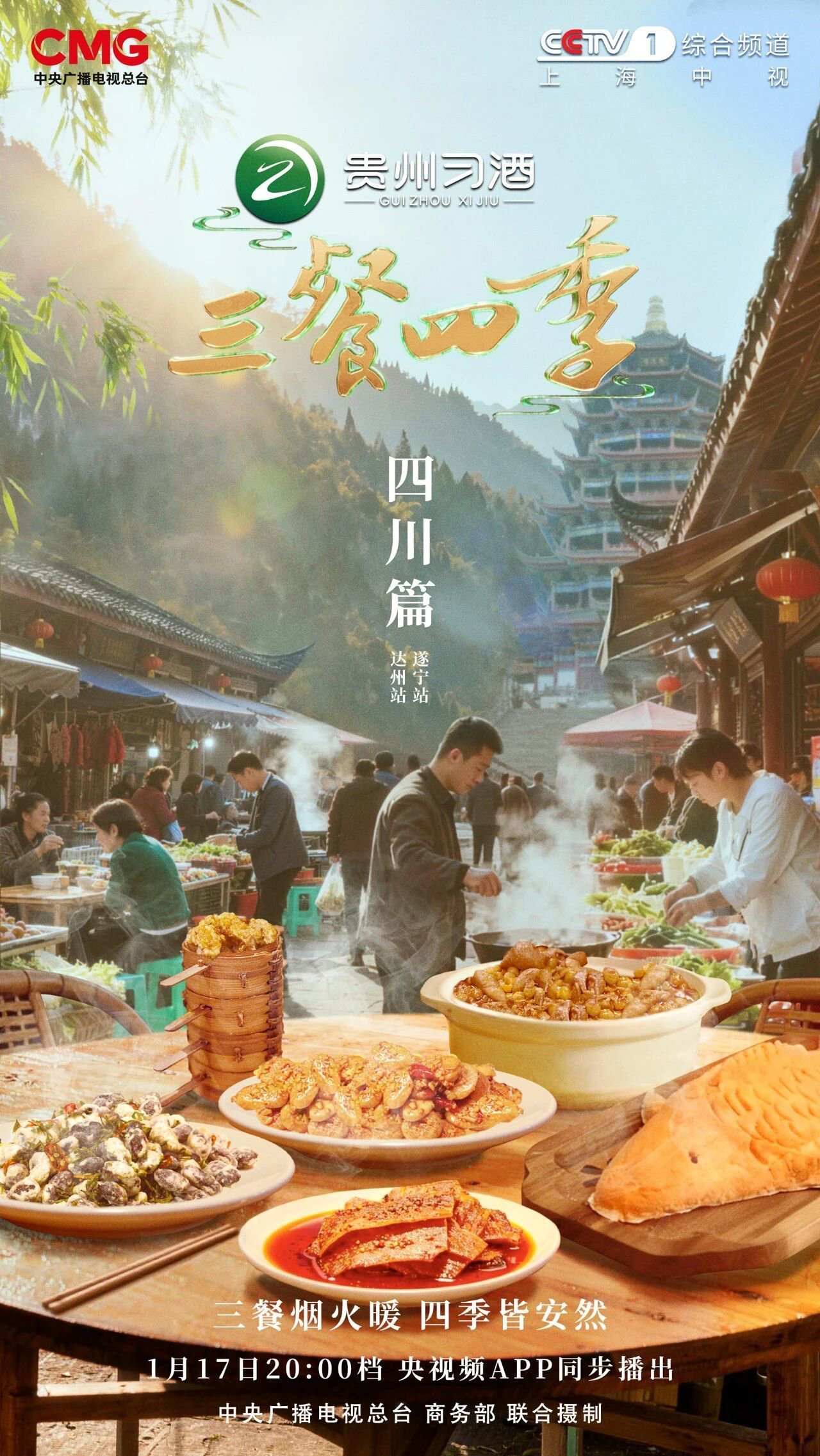
Core Viewpoint - The article highlights the rich culinary culture of Sichuan, particularly focusing on the unique dishes and food experiences in the cities of Dazhou and Suining, as showcased in the food and travel program "Three Meals a Day, Four Seasons" [1][6]. Group 1: Dazhou Culinary Highlights - Dazhou's signature dish, the lamb "gege," is a beloved breakfast item, characterized by its tender meat and flavorful rice noodles, served in bamboo steamers [3]. - The "Dengying Beef," known for its meticulous preparation involving over twenty steps, is celebrated for its unique texture and complex flavors, making it a popular local gift [3]. - The "Hanging Pot" cuisine reflects the local culture and community spirit, combining rich flavors and a sense of warmth among family and friends [3]. Group 2: Suining Culinary Highlights - Suining's culinary identity is described as both "spicy" and "gentle," with a focus on the local specialty of clay pot dishes, particularly the "Green Bean Fat Intestine," which showcases the region's culinary heritage [4]. - The thriving mushroom industry in Suining has led to innovative dishes like the "Vegetarian Abalone" made from king oyster mushrooms, highlighting the region's agricultural resources [4]. - The ancient salt-baked fish, prepared using traditional methods, represents Suining's historical culinary practices and contributes to the city's unique food identity [5].
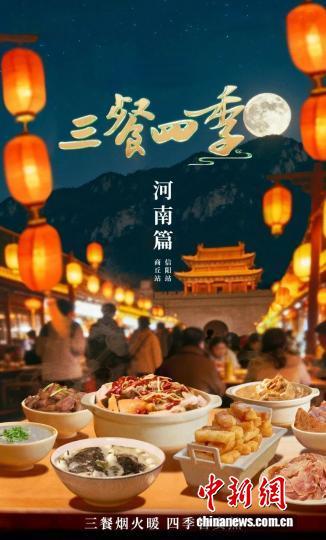
美食节目《三餐四季》走进商丘和信阳品中原味道
Xin Lang Cai Jing· 2025-12-21 07:20
Core Viewpoint - The third season of the food and cultural travel program "Three Meals a Season" showcases the culinary heritage and cultural stories of the cities of Shangqiu and Xinyang in Henan Province, emphasizing the warmth and richness of local flavors and traditions [1]. Summary by Sections Shangqiu - Shangqiu, known as a millennium-old capital and the origin of the Yin Shang dynasty, features the famous "Sata Soup," which is characterized by its rich meat flavor without visible meat, and is a cultural symbol of Henan's soup traditions [3]. - The local specialty "Duozi Lamb" is made from selected local goat meat, marinated with over ten spices, showcasing the region's dedication to flavor and the historical significance of food in rituals [4]. Xinyang - Xinyang, located at the intersection of Hubei, Henan, and Anhui provinces, presents a unique blend of northern and southern flavors, exemplified by dishes like "Luoshan Large Intestine Soup" and local breakfast items that reflect the region's culinary philosophy [4]. - The use of bamboo tubes for marinating fish and clay pots for cooking meat highlights the local wisdom in food preservation and preparation, while creative tea-infused dishes demonstrate the harmony of nature and culture in Xinyang's cuisine [4]. Program Impact - "Three Meals a Season," co-produced by the China Central Radio and Television and the Ministry of Commerce, has gained significant attention, with the first two seasons reaching an audience of 1.822 billion and over 2.32 billion views online, indicating its popularity and cultural impact [5].
《三餐四季》:续双城至味,品中原味道
Xin Lang Cai Jing· 2025-12-20 08:47
Core Viewpoint - The third season of the food and travel program "Three Meals a Season" will premiere on December 20, showcasing the rich culinary culture of China through the exploration of various cities and their unique flavors [1][3]. Group 1: Program Overview - "Three Meals a Season" is co-produced by the China Central Television (CCTV) and the Ministry of Commerce, receiving significant public attention since its inception [3]. - The first two seasons reached a cumulative audience of 1.822 billion viewers, with over 2.32 billion online video views and 32.4 billion total topic reads across platforms [3]. Group 2: Culinary Exploration - The first episode of the third season will focus on Henan province, specifically the cities of Shangqiu and Xinyang, highlighting their unique culinary traditions and cultural backgrounds [3][19]. - Shangqiu is known for its traditional dish "sà汤," which is rich in flavor and history, while Xinyang offers a blend of northern and southern culinary influences, showcasing dishes like "罗山大肠汤" and "热干面" [5][13]. Group 3: Cultural Significance - The program emphasizes the deep historical and cultural significance of the featured cities, illustrating how local cuisine encapsulates regional essence and cultural memory [19][21]. - The culinary practices in both Shangqiu and Xinyang reflect a profound respect for ingredients and traditional cooking methods, showcasing the wisdom of local food culture [15][17].