顺尔宁

Search documents
孟鲁司特困局:被神化的止咳药
Xin Lang Cai Jing· 2025-12-25 17:24
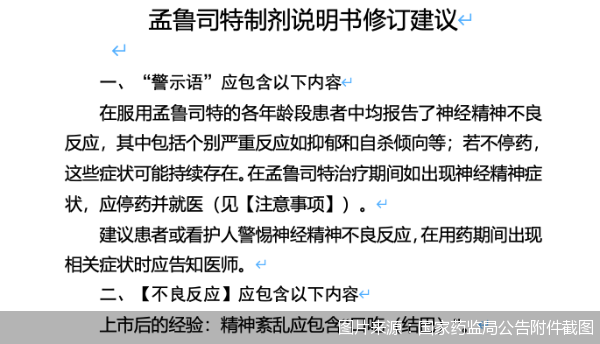
Core Viewpoint - Montelukast, once regarded as a "cough miracle drug," is now under scrutiny due to its potential psychiatric side effects, leading to a shift in its usage from a widely accepted treatment to one requiring careful evaluation and caution [1][3][9] Regulatory Changes - The National Medical Products Administration (NMPA) has revised the drug's labeling to include warnings about serious adverse reactions such as depression and suicidal tendencies, advising patients to seek medical attention if such symptoms occur [3][4] - The updated labeling emphasizes that adverse neuropsychiatric reactions have been reported across all age groups, and symptoms may persist if the drug is not discontinued [4] Usage Patterns - Despite the warnings, Montelukast is still widely used for common symptoms like cough and rhinitis, with the original drug "Singulair" selling over 2 million boxes on a single platform [1][7] - A study indicated that only 13.88% of prescriptions for Montelukast adhered to its approved indications, with off-label use reaching 86.12%, particularly for chronic obstructive pulmonary disease and bronchitis [5][6] Patient and Physician Perspectives - Many patients and their families face a dilemma between relying on Montelukast for its cough relief and the fear of its side effects, leading to increased anxiety about treatment options [3][8] - Some healthcare providers continue to recommend Montelukast despite known side effects, indicating a gap in awareness regarding its risks [6][9] Market Dynamics - There are over 60 approved Montelukast products in China, with a significant market presence, but the tightening of prescription practices is leading to a shift in how the drug is perceived and used [7][8] - The clinical application of Montelukast is becoming more cautious, with a focus on clear communication of potential risks to patients and their families [7][9] Alternative Treatments - Experts suggest that there are safer and effective alternatives for treating allergic conditions, including various non-prescription medications and nasal corticosteroids, but public perception of these alternatives remains a barrier [8][9] - The reluctance to use corticosteroids due to misconceptions about their safety may lead patients to continue using Montelukast, which poses higher risks [8]



孟鲁司特走下神坛
Bei Jing Shang Bao· 2025-12-25 16:02
Core Viewpoint - Montelukast, once regarded as a "cough remedy," is now under scrutiny due to its psychiatric side effects, leading to a shift in its usage from a widely accepted treatment to one requiring careful evaluation and cautious application [1][10] Regulatory Changes - The National Medical Products Administration (NMPA) has revised the drug's labeling to include warnings about potential severe adverse reactions such as depression and suicidal tendencies, advising immediate cessation and medical consultation if symptoms arise [2][3] Market Dynamics - Despite the warnings, Montelukast remains widely used for common symptoms like cough and rhinitis, with the original drug "Singulair" achieving sales exceeding 2 million boxes on a single platform [1][9] - There are over 60 approved Montelukast products in China, including various formulations such as tablets and chewable tablets [8] Clinical Usage and Misuse - Montelukast is often misused in clinical settings, with a study showing that only 13.88% of prescriptions adhered to the approved indications, while 86.12% were off-label, primarily for conditions like chronic obstructive pulmonary disease and bronchitis [6][7] - The drug is not recommended for common cold coughs or non-allergic coughs, contrary to its prevalent use in these contexts [5][6] Patient and Physician Perspectives - Many patients and families face dilemmas regarding the use of Montelukast due to its side effects, with some physicians unaware of its psychiatric risks, leading to continued prescriptions [7][10] - There is a growing concern among parents about finding alternative treatments, as the tightening of prescription practices shifts the focus from "to use or not to use" to "what to use instead" [9][10] Alternative Treatments - Experts suggest safer alternatives for allergic conditions, including non-prescription medications and nasal corticosteroids, but face challenges in changing public perception regarding the safety of these alternatives [10]
孟鲁司特困局:被神化的止咳药与全年龄段的副作用
Bei Jing Shang Bao· 2025-12-25 12:58
Core Viewpoint - Montelukast, once regarded as a "cough remedy," is now under scrutiny due to its psychiatric side effects, leading to a shift in its usage from a widely accepted treatment to one that requires careful evaluation and cautious application [1][10]. Regulatory Changes - The National Medical Products Administration (NMPA) has revised the drug's labeling to include warnings about potential severe adverse reactions such as depression and suicidal tendencies, advising immediate cessation and medical consultation if symptoms arise [2][4]. Usage Patterns - Despite the warnings, Montelukast is still widely used for common symptoms like cough and rhinitis, with the original drug "Singulair" selling over 2 million boxes on a single platform [1][10]. - A study indicated that only 13.88% of prescriptions for Montelukast adhered to its approved indications, with off-label use reaching 86.12%, particularly for conditions like Chronic Obstructive Pulmonary Disease (COPD) and bronchitis [5][6]. Market Dynamics - There are over 60 approved Montelukast products in China, produced by numerous companies, indicating a significant market presence [8]. - The tightening of prescription practices has led to a shift in clinical attitudes, with doctors now requiring clear therapeutic necessity and informed consent from parents before prescribing Montelukast, especially for children [10][11]. Patient Concerns - Many families face a dilemma between the drug's cough-relief efficacy and its associated risks, leading to increased anxiety about treatment options [2][10]. - There is a growing recognition among the public that Montelukast should not be viewed as a universal "cough remedy," but rather as a medication that requires careful assessment and clear communication of risks [11].