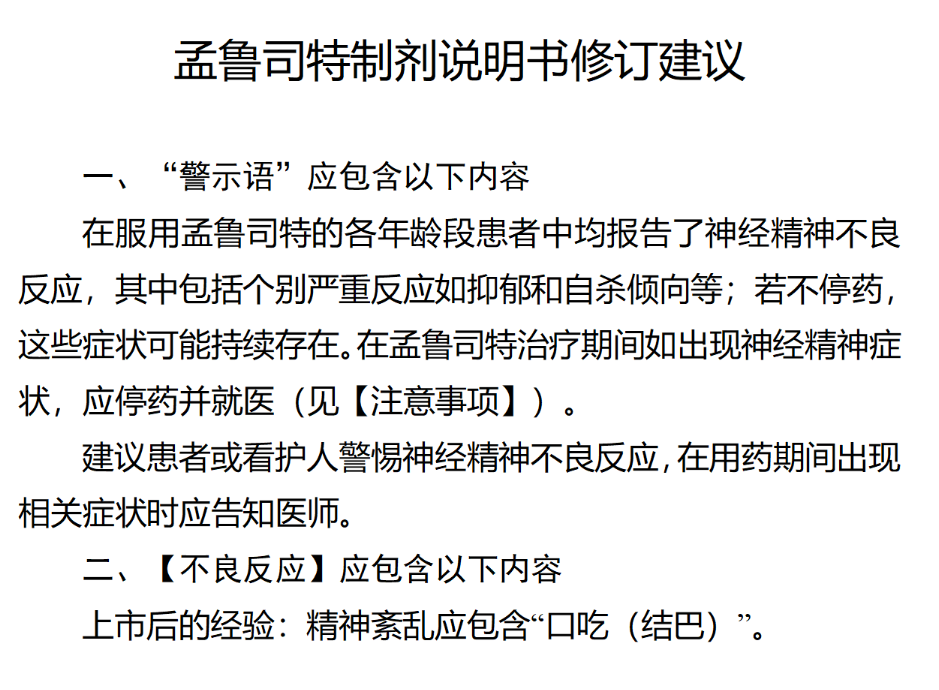
孟鲁司特

Search documents
年销10亿元的“儿童止咳药”,新增风险提示意味着什么?
Xin Jing Bao· 2026-01-22 04:30
Core Viewpoint - The recent announcement by the National Medical Products Administration (NMPA) regarding the pediatric medication Montelukast has raised significant concerns about its safety, particularly regarding neuropsychiatric side effects, prompting a reevaluation of its use in children [2][5][16]. Group 1: Drug Safety Concerns - Montelukast, a commonly used pediatric medication with annual sales exceeding 1 billion yuan, has been linked to neuropsychiatric adverse reactions, including depression and suicidal tendencies, as well as stuttering [2][16]. - The FDA had previously issued a black box warning in 2020, indicating serious mental health risks associated with Montelukast, which had not been adequately addressed in China until now [3][17]. - The recent NMPA announcement has led to widespread discussions among parents and healthcare professionals about the safety of this long-used pediatric drug [3][5]. Group 2: Clinical Usage and Misuse - Montelukast is often prescribed for common respiratory symptoms in children, leading to its perception as a "common medication" for cough and nasal congestion, despite not being a first-line treatment for these conditions [10][12]. - Studies indicate that a significant percentage of prescriptions for Montelukast are inappropriate, with 96.26% of cases showing unsuitable indications or dosages [13]. - The drug's misuse is attributed to various factors, including parental reluctance to use inhaled corticosteroids and the convenience of oral medication [14][25]. Group 3: Regulatory and Clinical Response - The delay in updating Montelukast's safety information in China reflects broader issues in drug safety management, including slow responses to international warnings and the need for better communication of risks to healthcare providers [24][25]. - Experts emphasize the importance of balancing treatment benefits against potential side effects, advocating for more timely risk communication to clinicians and patients [5][20]. - The ongoing debate surrounding Montelukast highlights the necessity for continuous monitoring and evaluation of drug safety, as well as the need for regulatory bodies to act swiftly on emerging safety signals [28].

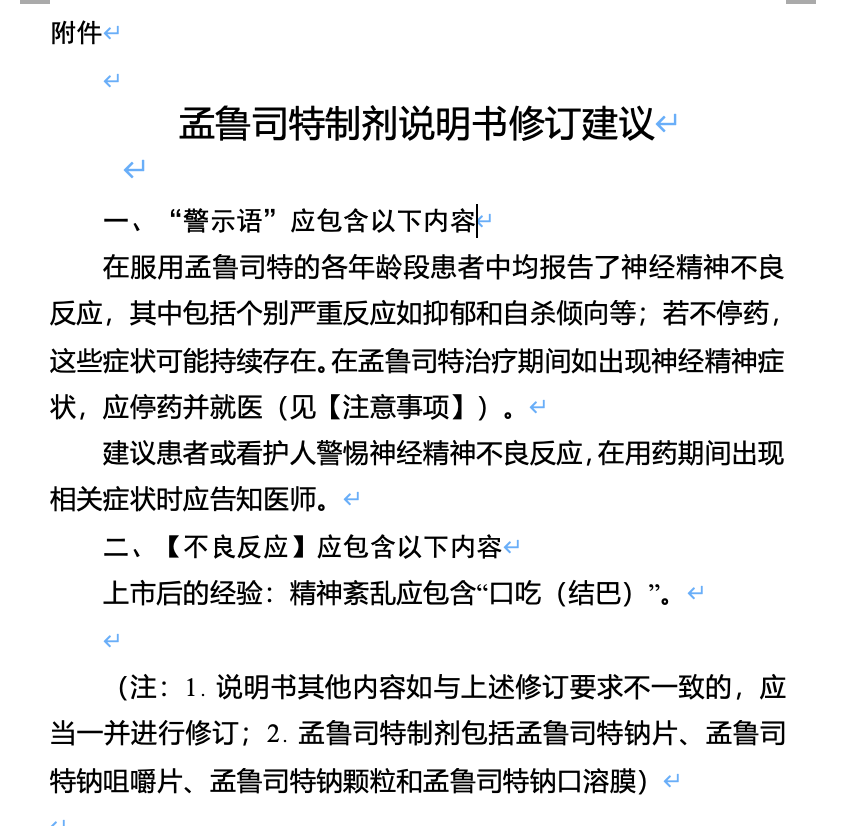
孟鲁司特困局:被神化的止咳药
Xin Lang Cai Jing· 2025-12-25 17:24
Core Viewpoint - Montelukast, once regarded as a "cough miracle drug," is now under scrutiny due to its potential psychiatric side effects, leading to a shift in its usage from a widely accepted treatment to one requiring careful evaluation and caution [1][3][9] Regulatory Changes - The National Medical Products Administration (NMPA) has revised the drug's labeling to include warnings about serious adverse reactions such as depression and suicidal tendencies, advising patients to seek medical attention if such symptoms occur [3][4] - The updated labeling emphasizes that adverse neuropsychiatric reactions have been reported across all age groups, and symptoms may persist if the drug is not discontinued [4] Usage Patterns - Despite the warnings, Montelukast is still widely used for common symptoms like cough and rhinitis, with the original drug "Singulair" selling over 2 million boxes on a single platform [1][7] - A study indicated that only 13.88% of prescriptions for Montelukast adhered to its approved indications, with off-label use reaching 86.12%, particularly for chronic obstructive pulmonary disease and bronchitis [5][6] Patient and Physician Perspectives - Many patients and their families face a dilemma between relying on Montelukast for its cough relief and the fear of its side effects, leading to increased anxiety about treatment options [3][8] - Some healthcare providers continue to recommend Montelukast despite known side effects, indicating a gap in awareness regarding its risks [6][9] Market Dynamics - There are over 60 approved Montelukast products in China, with a significant market presence, but the tightening of prescription practices is leading to a shift in how the drug is perceived and used [7][8] - The clinical application of Montelukast is becoming more cautious, with a focus on clear communication of potential risks to patients and their families [7][9] Alternative Treatments - Experts suggest that there are safer and effective alternatives for treating allergic conditions, including various non-prescription medications and nasal corticosteroids, but public perception of these alternatives remains a barrier [8][9] - The reluctance to use corticosteroids due to misconceptions about their safety may lead patients to continue using Montelukast, which poses higher risks [8]


孟鲁司特走下神坛
Bei Jing Shang Bao· 2025-12-25 16:02
Core Viewpoint - Montelukast, once regarded as a "cough remedy," is now under scrutiny due to its psychiatric side effects, leading to a shift in its usage from a widely accepted treatment to one requiring careful evaluation and cautious application [1][10] Regulatory Changes - The National Medical Products Administration (NMPA) has revised the drug's labeling to include warnings about potential severe adverse reactions such as depression and suicidal tendencies, advising immediate cessation and medical consultation if symptoms arise [2][3] Market Dynamics - Despite the warnings, Montelukast remains widely used for common symptoms like cough and rhinitis, with the original drug "Singulair" achieving sales exceeding 2 million boxes on a single platform [1][9] - There are over 60 approved Montelukast products in China, including various formulations such as tablets and chewable tablets [8] Clinical Usage and Misuse - Montelukast is often misused in clinical settings, with a study showing that only 13.88% of prescriptions adhered to the approved indications, while 86.12% were off-label, primarily for conditions like chronic obstructive pulmonary disease and bronchitis [6][7] - The drug is not recommended for common cold coughs or non-allergic coughs, contrary to its prevalent use in these contexts [5][6] Patient and Physician Perspectives - Many patients and families face dilemmas regarding the use of Montelukast due to its side effects, with some physicians unaware of its psychiatric risks, leading to continued prescriptions [7][10] - There is a growing concern among parents about finding alternative treatments, as the tightening of prescription practices shifts the focus from "to use or not to use" to "what to use instead" [9][10] Alternative Treatments - Experts suggest safer alternatives for allergic conditions, including non-prescription medications and nasal corticosteroids, but face challenges in changing public perception regarding the safety of these alternatives [10]
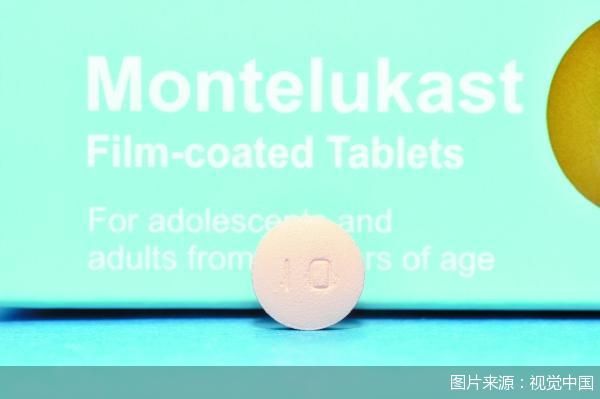
这款儿童常用药修订说明书:需增加抑郁、自杀倾向警告
Xin Lang Cai Jing· 2025-12-25 13:17
Core Viewpoint - The National Medical Products Administration (NMPA) of China has announced a revision of the prescribing information for Montelukast formulations, mandating the inclusion of explicit warnings regarding neuropsychiatric adverse reactions, including depression and suicidal tendencies [1][2]. Group 1: Regulatory Changes - The revision is based on the results of adverse drug reaction monitoring and assessment [1]. - All Montelukast formulations, including tablets, chewable tablets, granules, and orally dissolving films, are subject to this revision, with the latter three being specifically for pediatric use [2]. - The NMPA requires all marketing authorization holders of Montelukast to revise the prescribing information by March 12, 2026, and to replace the labels of all manufactured products within nine months after the filing [3]. Group 2: Market Context - Montelukast, developed by Merck & Co., was first approved in 1998 and is a selective leukotriene receptor antagonist indicated for the prevention and long-term treatment of asthma in children aged 2 to 14 years [2]. - Following the expiration of its patent, various generic versions have emerged globally, with over 60 approved marketing numbers in China from manufacturers such as Qilu Pharmaceutical, Tianyu Pharmaceutical, and others [2]. - In 2023, Montelukast's sales in Chinese public medical institutions exceeded 1 billion yuan, ranking among the top five chemical drugs for obstructive airway diseases [2].
孟鲁司特困局:被神化的止咳药与全年龄段的副作用
Bei Jing Shang Bao· 2025-12-25 12:58
Core Viewpoint - Montelukast, once regarded as a "cough remedy," is now under scrutiny due to its psychiatric side effects, leading to a shift in its usage from a widely accepted treatment to one that requires careful evaluation and cautious application [1][10]. Regulatory Changes - The National Medical Products Administration (NMPA) has revised the drug's labeling to include warnings about potential severe adverse reactions such as depression and suicidal tendencies, advising immediate cessation and medical consultation if symptoms arise [2][4]. Usage Patterns - Despite the warnings, Montelukast is still widely used for common symptoms like cough and rhinitis, with the original drug "Singulair" selling over 2 million boxes on a single platform [1][10]. - A study indicated that only 13.88% of prescriptions for Montelukast adhered to its approved indications, with off-label use reaching 86.12%, particularly for conditions like Chronic Obstructive Pulmonary Disease (COPD) and bronchitis [5][6]. Market Dynamics - There are over 60 approved Montelukast products in China, produced by numerous companies, indicating a significant market presence [8]. - The tightening of prescription practices has led to a shift in clinical attitudes, with doctors now requiring clear therapeutic necessity and informed consent from parents before prescribing Montelukast, especially for children [10][11]. Patient Concerns - Many families face a dilemma between the drug's cough-relief efficacy and its associated risks, leading to increased anxiety about treatment options [2][10]. - There is a growing recognition among the public that Montelukast should not be viewed as a universal "cough remedy," but rather as a medication that requires careful assessment and clear communication of risks [11].
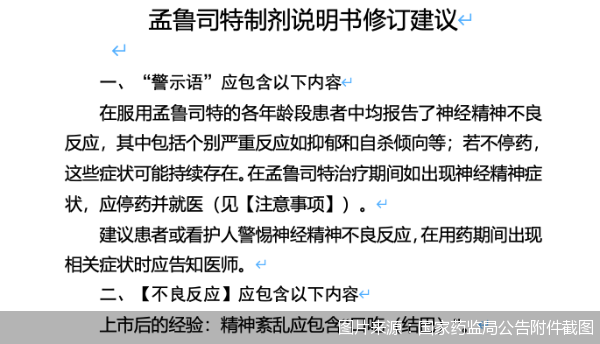
被捧为“神药”的它,说明书要改了!小心抑郁、自杀倾向……
Xin Lang Cai Jing· 2025-12-25 12:15
Core Viewpoint - The National Medical Products Administration (NMPA) of China has announced a revision of the prescribing information for Montelukast formulations to enhance public safety regarding medication use, particularly concerning neuropsychiatric adverse reactions [2][4]. Group 1: Regulatory Changes - The NMPA's announcement includes a unified revision of the prescribing information for Montelukast formulations, which encompasses Montelukast sodium tablets, chewable tablets, granules, and orally dissolving films [2]. - The revised prescribing information will include warnings about neuropsychiatric adverse reactions reported across all age groups, including severe reactions such as depression and suicidal tendencies [4]. Group 2: Clinical Implications - Montelukast, developed by Merck and first approved in 1998, is a selective leukotriene receptor antagonist primarily used for treating asthma and allergic rhinitis [7]. - The drug is commonly used in children due to concerns about the side effects of inhaled corticosteroids, although it may cause side effects such as drowsiness, mental excitement, nightmares, and even depressive tendencies [7]. - Medical professionals are advised to conduct a thorough benefit/risk analysis based on the newly revised prescribing information when selecting medications for patients [9].
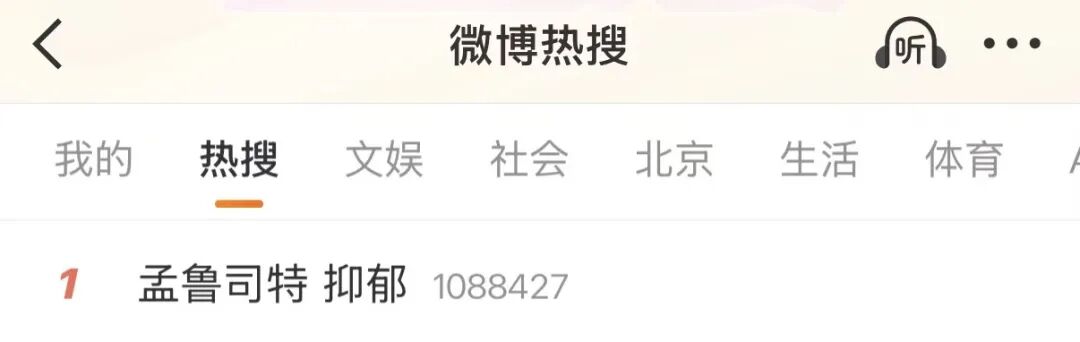
孟鲁司特被要求新增警示语,去年前三季度销售额超13亿元
2 1 Shi Ji Jing Ji Bao Dao· 2025-12-25 09:30
Core Viewpoint - The National Medical Products Administration (NMPA) of China has mandated the addition of warnings regarding neuropsychiatric adverse reactions in the instructions for Montelukast formulations, including serious reactions such as depression and suicidal tendencies, with a deadline for compliance set for March 12, 2026 [1][4]. Group 1: Regulatory Changes - The NMPA requires all Montelukast product license holders in China to revise their product instructions to include warnings about neuropsychiatric adverse reactions [1]. - The revisions must be submitted to the NMPA or provincial drug regulatory departments by March 12, 2026, and all existing product labels must be updated within nine months after the submission [1]. Group 2: Market Context - Montelukast sodium, originally developed by Merck (brand name: Singulair), is a potent selective leukotriene receptor antagonist used for asthma prevention and treatment in children aged 2 to 14 [3]. - Following the expiration of Merck's patent, domestic companies have begun to produce generic versions, with 62 approvals found on the NMPA website from various manufacturers [3]. Group 3: Adverse Reactions and Clinical Implications - The revision of Montelukast's instructions is based on adverse reaction assessments, with the FDA in the U.S. having previously issued a black box warning for similar neuropsychiatric adverse reactions [4][5]. - Reports of adverse reactions, including depression and suicidal behavior, have been documented, with a study indicating that 86.12% of Montelukast prescriptions in a certain hospital were for off-label uses [5][8]. Group 4: Sales and Competitive Landscape - Montelukast ranked third in sales among asthma medications in China for the first three quarters of 2024, with total sales reaching 1.33 billion yuan [9]. - The competitive landscape includes 24 companies with 42 formulations of Montelukast available, with significant market shares held by companies like Eurofarma and Shanghai Anbisen [9]. Group 5: Emerging Treatments - The emergence of biologic therapies is changing the treatment landscape for pediatric asthma, with several new biologics approved for use in children [10]. - The NMPA's revisions to Montelukast's labeling serve as a reminder for the need for safe and effective prescribing practices as new treatment options become available [10].