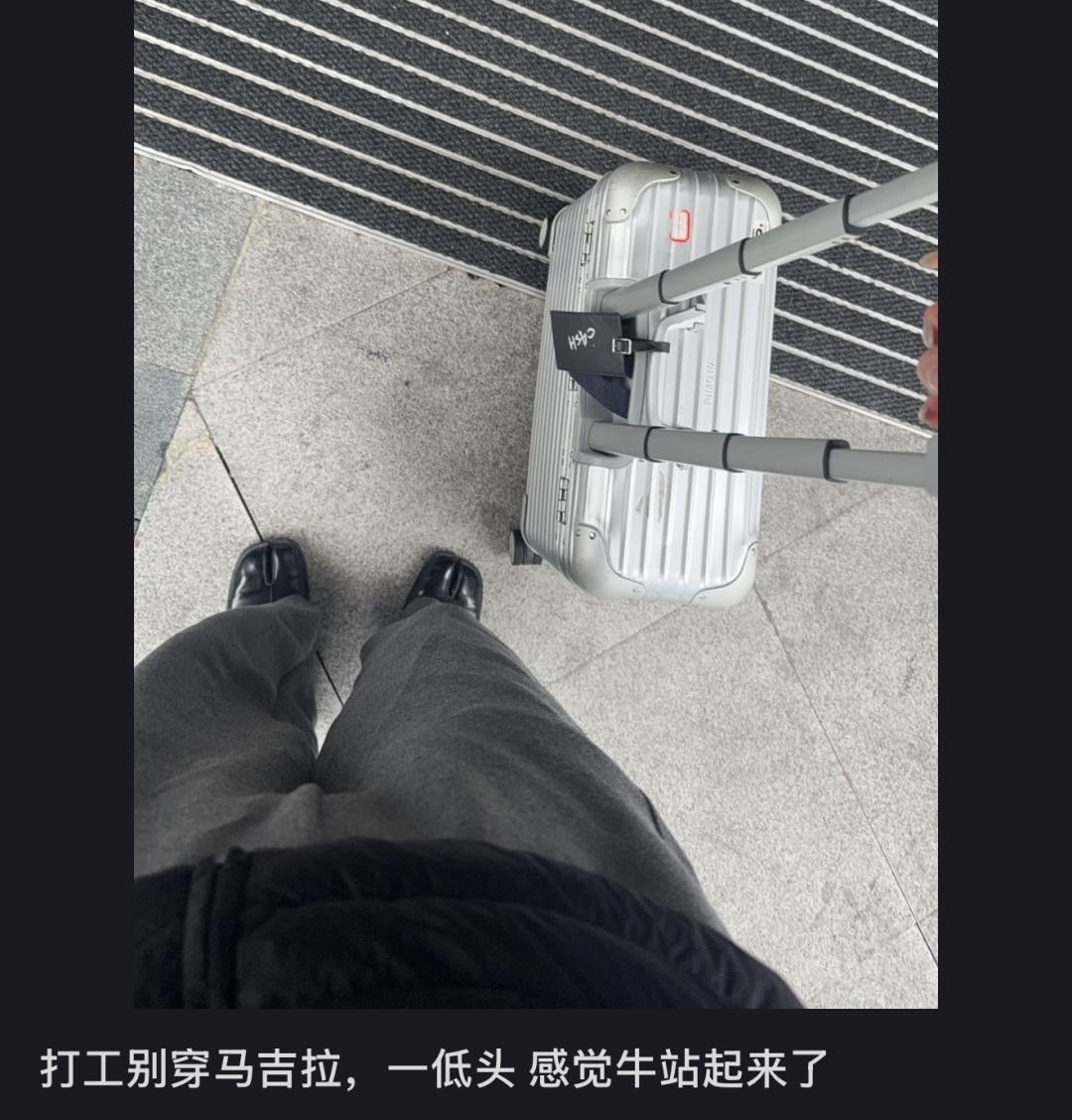
马吉拉tabi鞋

Search documents
3000一双的“牛马仿生鞋”,被打工人买疯了?
凤凰网财经· 2025-12-07 12:07
Core Viewpoint - The article discusses the rising popularity of Maison Margiela's tabi shoes, highlighting their unique design and the cultural resonance they have with consumers, particularly in the context of modern work culture and self-expression [3][12][63]. Group 1: Product Design and Reception - The tabi shoes feature a split-toe design that evokes a strong emotional connection with consumers, likening them to the hooves of animals, which has sparked both admiration and ridicule [5][12][20]. - The shoes are priced starting at over 3000 yuan, positioning them as a luxury item despite their unconventional appearance [10][12]. - The design has led to mixed reviews, with some consumers finding them aesthetically pleasing while others liken them to unappetizing food items [13][14][18]. Group 2: Brand Development and Market Performance - Maison Margiela has been expanding its presence in China, opening 12 new stores from 2022 to 2023, contributing to a 72.4% year-on-year increase in sales in the Asia-Pacific market [95][96]. - The brand's parent company, OTB Group, reported a fivefold increase in sales in China from 2019 to 2023, indicating strong market growth despite overall declines in other regions [96]. - The tabi shoes are part of a broader product line, with the brand having multiple lines beyond just footwear, showcasing its diverse offerings in the luxury market [64][92]. Group 3: Consumer Trends and Cultural Shifts - The article notes a shift in consumer attitudes, particularly among the middle class, who are increasingly prioritizing comfort and self-expression over traditional fashion norms [103][106]. - The popularity of the tabi shoes reflects a broader trend of consumers seeking to embrace individuality and comfort in their fashion choices, moving away from the pressures of conforming to societal expectations [104][115]. - This cultural shift is characterized by a desire for clothing that allows for personal expression and emotional comfort, rather than merely serving as a status symbol [110][117].

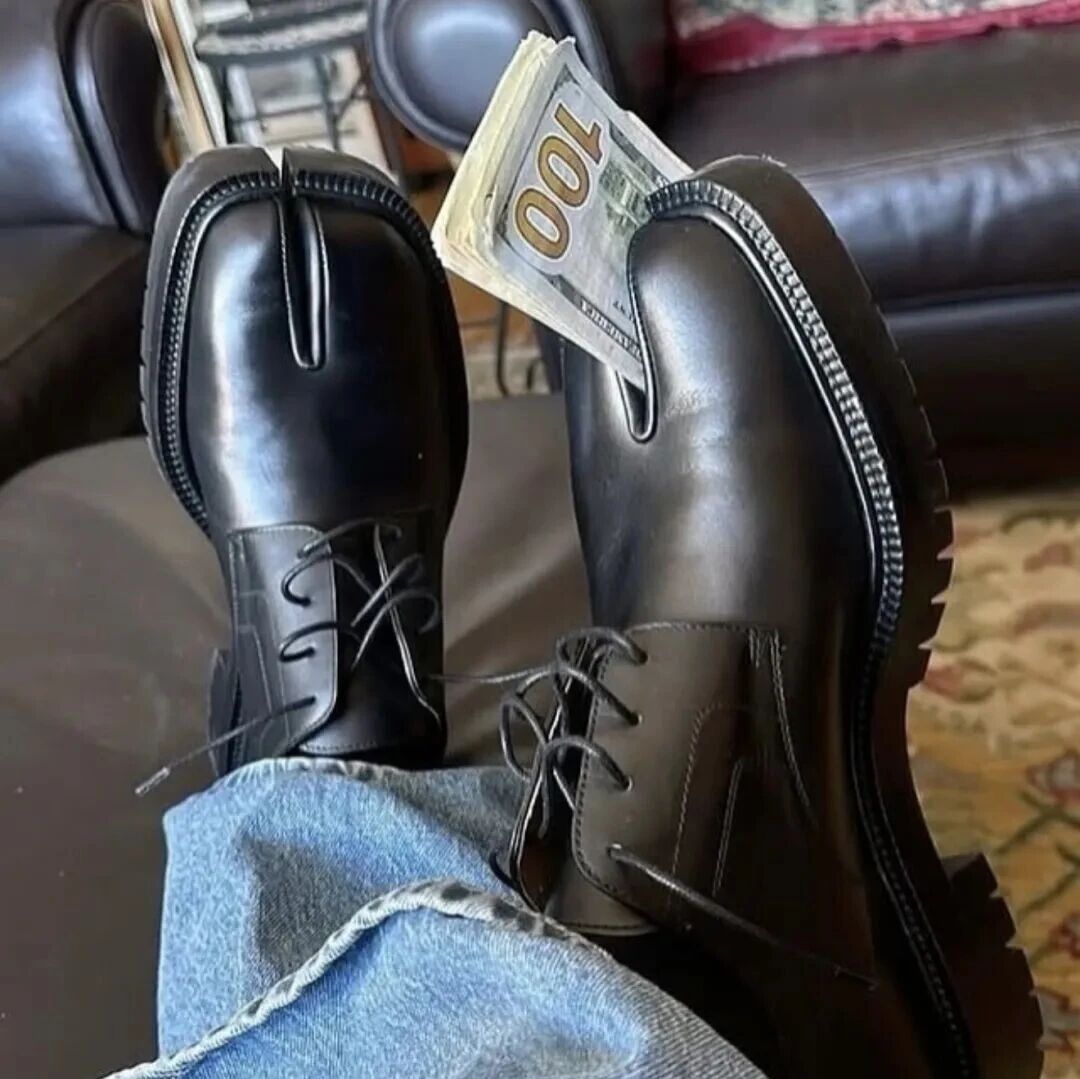
3000一双的「牛马鞋」,被打工人买疯了?
3 6 Ke· 2025-12-04 03:48
Core Viewpoint - The article discusses the rising popularity of Maison Margiela's tabi shoes, which have gained attention for their unique design that resonates with the working class, despite their high price point and polarizing aesthetic [1][4][34]. Group 1: Product Design and Reception - The tabi shoes feature a split-toe design that mimics the appearance of animal hooves, leading to a mix of admiration and ridicule among consumers [6][10]. - The shoes are priced starting at over 3000 yuan, which has sparked discussions about their value and appeal [4][34]. - While some consumers appreciate the aesthetic and comfort of the tabi shoes, others criticize them for their unconventional look, comparing them to unappetizing food items [6][12][19]. Group 2: Market Performance and Brand Growth - Maison Margiela has seen significant growth in the Asia-Pacific market, with a 72.4% year-on-year increase in sales in 2023, and a fivefold increase in sales in China since 2019 [52][54]. - The brand has expanded its presence in China, opening 12 new stores between 2022 and 2023, indicating a strategic focus on this market [52][56]. - Despite a decline in overall sales for the parent company OTB Group, Maison Margiela managed to achieve a 4.6% increase in global sales in 2024, highlighting its role as a key revenue driver [54][56]. Group 3: Consumer Trends and Cultural Shifts - The popularity of the tabi shoes reflects a broader trend among consumers, particularly the middle class, who are increasingly prioritizing comfort and personal expression over traditional fashion norms [58][60]. - The article suggests that the rise of such unconventional footwear is a response to the pressures of modern life, allowing individuals to embrace a more relaxed and authentic self [58][60]. - This shift indicates a growing acceptance of diverse styles that prioritize individual comfort and self-identity rather than conforming to societal expectations [58][60].