
时尚与服装

Search documents
3000一双的「牛马鞋」,被打工人买疯了?
3 6 Ke· 2025-12-04 03:48
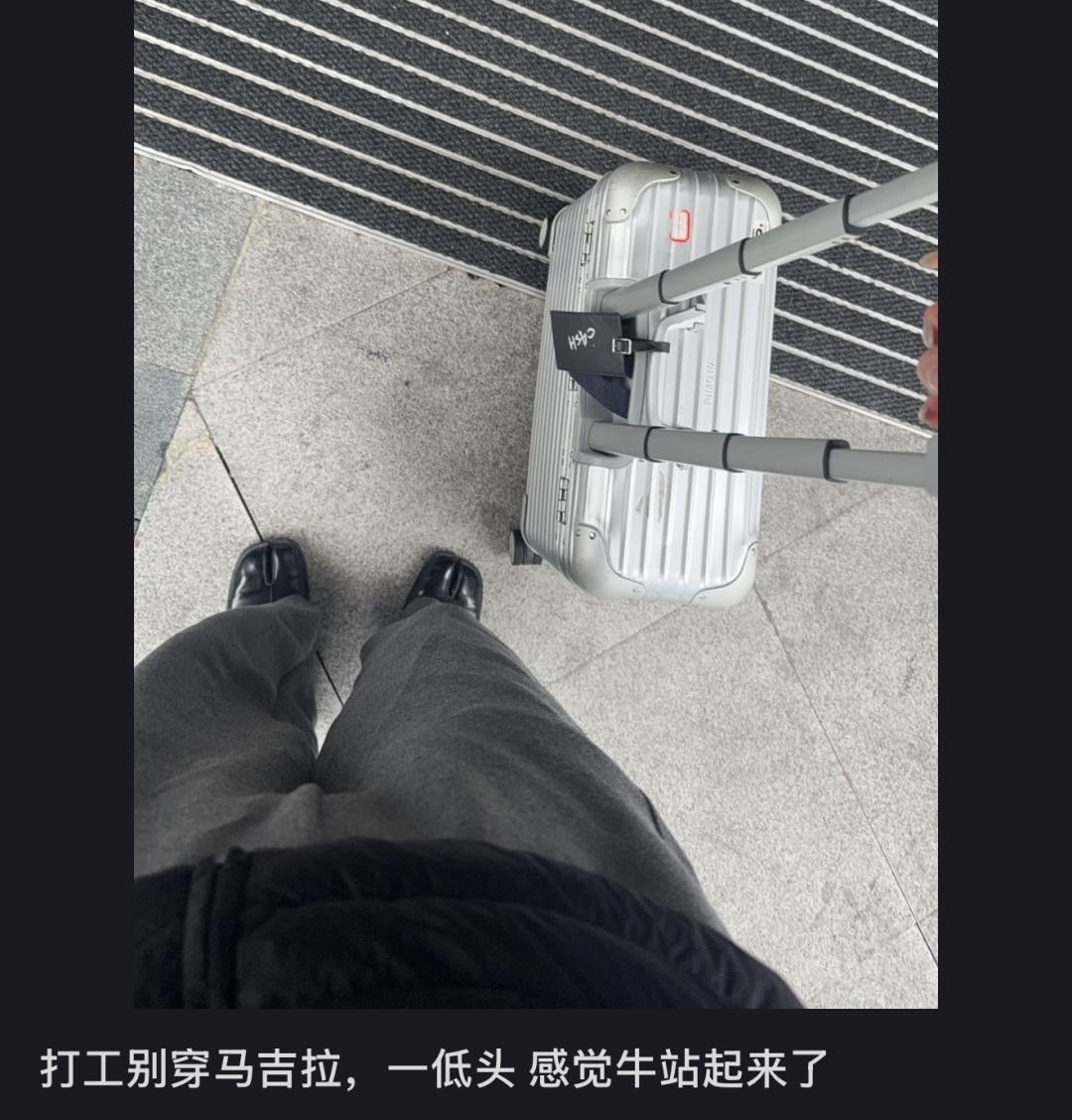
Core Viewpoint - The article discusses the rising popularity of Maison Margiela's tabi shoes, which have gained attention for their unique design that resonates with the working class, despite their high price point and polarizing aesthetic [1][4][34]. Group 1: Product Design and Reception - The tabi shoes feature a split-toe design that mimics the appearance of animal hooves, leading to a mix of admiration and ridicule among consumers [6][10]. - The shoes are priced starting at over 3000 yuan, which has sparked discussions about their value and appeal [4][34]. - While some consumers appreciate the aesthetic and comfort of the tabi shoes, others criticize them for their unconventional look, comparing them to unappetizing food items [6][12][19]. Group 2: Market Performance and Brand Growth - Maison Margiela has seen significant growth in the Asia-Pacific market, with a 72.4% year-on-year increase in sales in 2023, and a fivefold increase in sales in China since 2019 [52][54]. - The brand has expanded its presence in China, opening 12 new stores between 2022 and 2023, indicating a strategic focus on this market [52][56]. - Despite a decline in overall sales for the parent company OTB Group, Maison Margiela managed to achieve a 4.6% increase in global sales in 2024, highlighting its role as a key revenue driver [54][56]. Group 3: Consumer Trends and Cultural Shifts - The popularity of the tabi shoes reflects a broader trend among consumers, particularly the middle class, who are increasingly prioritizing comfort and personal expression over traditional fashion norms [58][60]. - The article suggests that the rise of such unconventional footwear is a response to the pressures of modern life, allowing individuals to embrace a more relaxed and authentic self [58][60]. - This shift indicates a growing acceptance of diverse styles that prioritize individual comfort and self-identity rather than conforming to societal expectations [58][60].

2025年中国品牌⾛向全球
Sou Hu Cai Jing· 2025-06-08 09:50
Overall Growth Trends and Key Changes - Since 2020/21, Chinese brands have shown significant growth on the global stage, particularly in social channels, e-commerce platforms, and official websites. Three key changes have been observed since 2024: enhancing market access through specific country/region websites and strategic e-commerce platforms; increasing presence on social media (especially Douyin) and optimizing content quality; and strengthening DTC website functionality and customer support [1][12][17]. Industry Performance and Leading Brands - Electronics remain the dominant category on the international stage, with 54 out of the top 100 brands being in this sector. The electric vehicle segment also holds substantial potential globally [2][23]. Emerging Champions in Niche Markets - Numerous "potential champions" have emerged in specific fields, such as Anker and Ecoflow in mobile power, Roborock and Ecovacs in robotic vacuums, and DJI in drones [3]. Impact of Digital Platforms - Brands like SHEIN, Temu, and TikTok have significant influence, not only achieving success themselves but also serving as launch channels for other emerging brands [4]. Success Factors and Challenges - Successful brands focus on clear value propositions, target customer segments, and localized content and sales channels. "Hidden champions" like Tuya stand out by concentrating on specific functions and providing quality service. Challenges include brands lacking unique value or local adaptation struggling to grow, while mature brands pursue growth through acquisitions, facing impacts from brand equity and geopolitical factors [5][18]. Ranking and Evaluation Methodology - The sample covers 664 brands, focusing on consumer and retail brands while excluding media and IT types. Brand scores are derived from website traffic (40%) and social media presence (60%), with varying weights for platforms like Douyin and Facebook [6][21]. Ranking Changes - The top three brands are realme, SheIn, and Huawei, with new entrants like Insta360 and Halara making the list. Brands such as FAW and Geely have seen notable ranking improvements, while some brands have declined [7]. Regional Expansion and Strategies - Target markets include mature regions like North America, Europe, and Asia, with rapid growth in emerging markets such as the Middle East and Africa, where digitalization scores have increased by 69.8% [8][46]. Localization and Channel Strategies - Brands are enhancing localized website content and services, leveraging e-commerce platforms alongside offline networks, though there remains room for improvement in brand engagement [9][45]. Future Recommendations - Focus on core markets to enhance engagement and avoid blind expansion. Leverage digital advantages by integrating Chinese experiences with global strategies. Strengthen local partnerships, listen to customer needs, and improve brand marketing capabilities to move beyond reliance on acquisitions [10][11]. Chinese Brands' Global Expansion - Chinese brands are demonstrating strong growth momentum in a complex global environment, with optimized strategies and enhanced brand value potentially leading to breakthroughs in more sectors [12].





