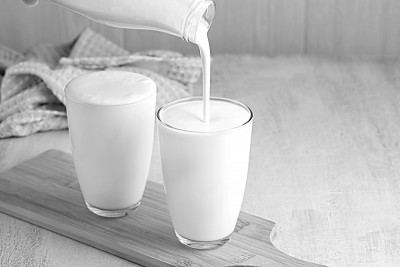
马奶

Search documents
他们的科研为何上演“抓马”剧情
Xin Lang Cai Jing· 2026-02-14 16:39
Core Viewpoint - The article highlights the challenges and innovations in equine research led by Professor Wang Qin, focusing on the development of low-cost research tools and the exploration of horse products, particularly horse milk, to find modern value in an ancient industry [1][7]. Group 1: Research Challenges and Innovations - The lack of research funding has led to a talent gap in equine studies in China, prompting Wang to dedicate her efforts to this field [2]. - Wang's team faced significant challenges due to the absence of research tools, particularly in measuring horse dimensions accurately, which are well-developed in foreign countries [3]. - After three years of development, the team created a portable automatic measurement system using a single camera, achieving accuracy comparable to international standards at a fraction of the cost [3][4]. Group 2: Genetic Research and Database Development - The team compiled genomic information from 90 horse populations and nearly 40 breeds, creating the largest horse genome reference database globally [4]. - They developed a low-cost genotyping technology that provides over 95% accuracy for whole-genome information at only 1% of the cost of foreign alternatives [4]. Group 3: Practical Challenges in Field Research - Conducting the third national livestock genetic resource survey revealed the difficulties of measuring horses in mountainous regions, where horses are wary of unfamiliar equipment [5][6]. - The team had to adapt their methods to work around the horses' schedules and behaviors, often requiring significant effort to obtain measurements [6]. Group 4: Exploration of Horse Products - Wang's team is actively researching horse milk, discovering its potential health benefits and high-quality protein content, which could be valuable for various health applications [7]. - Their findings indicate that horse milk has significant restorative effects in various health models, challenging traditional perceptions of its nutritional value [7]. Group 5: Breeding Innovations - The team has developed targeted chips for early screening in breeding, significantly reducing the time and cost associated with traditional breeding methods [8]. - They established equine technology centers focusing on breeding specific horse types, aiming to enhance the overall quality and utility of horse breeds in China [8]. Group 6: Future Directions and Industry Outlook - Wang emphasizes the need for a renewed understanding and positioning of horse products, advocating for a balanced approach to conservation and breeding [9]. - The industry is encouraged to explore specialized breeding for various purposes, such as dual-use for milk and meat, recreational riding, and speed endurance [9]. - Despite ongoing challenges, there is optimism for future advancements in the equine industry [10].
奶越贵越好吗?
Xin Lang Cai Jing· 2025-12-19 19:25
Core Viewpoint - The article discusses the diverse range of animal milk products available in the market, highlighting the nutritional similarities and differences among them, as well as consumer preferences based on taste and health benefits [14][19]. Nutritional Comparison - All types of animal milk provide essential nutrients such as proteins, fats, carbohydrates, and minerals, with basic nutritional components being relatively similar across different species [14][15]. - Specific nutritional advantages include higher essential amino acids in goat milk (49%), vitamin C in camel milk, and higher potassium and magnesium in sheep milk [15][19]. - The price of alternative milks like goat, camel, and sheep milk is higher than cow milk due to lower production volumes and higher costs associated with their unique farming conditions [14][15]. Taste and Flavor Characteristics - The flavor of milk is primarily influenced by its fat content, with higher fat levels leading to richer taste profiles [16][17]. - Different types of milk have distinct flavor characteristics: cow milk is mild and creamy, buffalo milk is rich and sweet, goat milk has a unique tangy flavor, and camel milk is slightly salty [17][18]. Health Benefits and Recommendations - Regular consumption of dairy products is linked to lower mortality rates and reduced cardiovascular disease risk, emphasizing the importance of incorporating milk into daily diets [19]. - For individuals with allergies, alternatives like goat, camel, or donkey milk may be suitable substitutes for cow milk [19][20]. - Recommendations for specific demographics include whole milk for children, calcium-rich options for older adults, and fermented dairy for those with lactose intolerance [20]. Consumer Considerations - Consumers should pay attention to the processing methods and ingredient lists of milk products, as "natural active nutrition" is considered the core value of milk [20]. - There is a trend towards choosing low-fat options for weight management, but studies suggest that full-fat dairy does not increase obesity risk in normal-weight individuals [20].