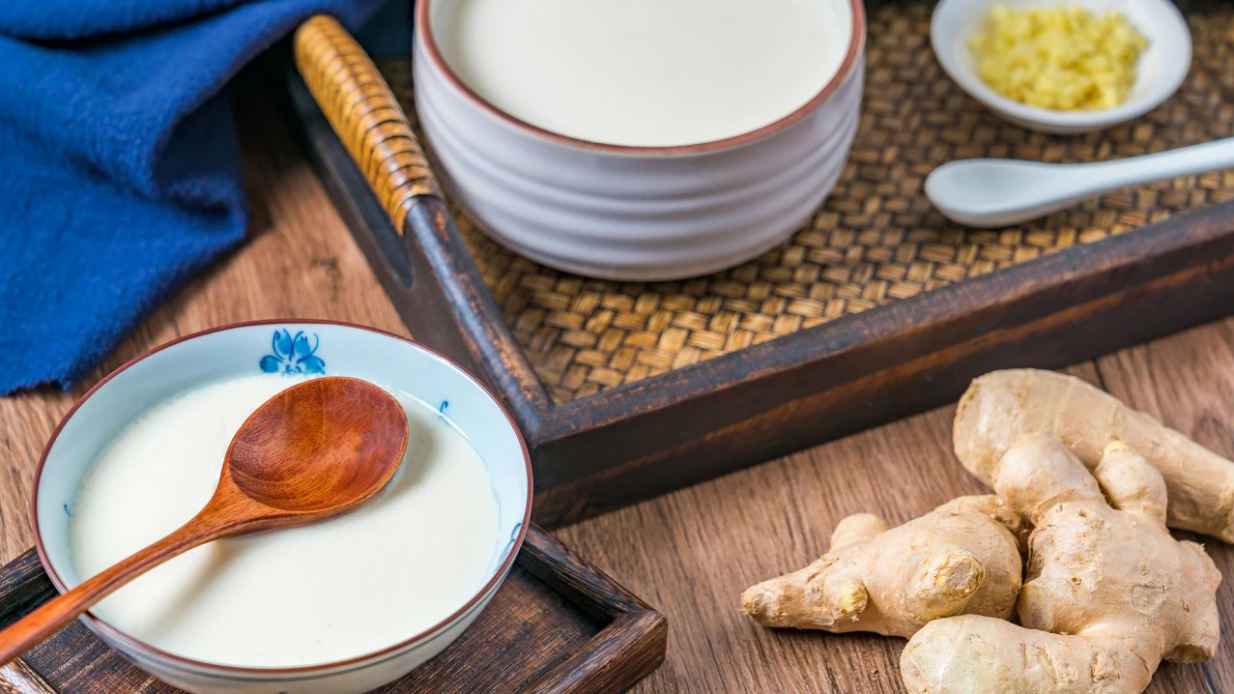
牛奶

Search documents
国产牛奶要强成这样,谁给的勇气
半佛仙人· 2026-03-30 09:12
Core Viewpoint - The article discusses the evolution and current state of China's dairy industry, emphasizing the significant improvements in milk production, consumption, and technology over the years, leading to a more balanced diet for the population [2][3][4]. Group 1: Historical Context - Historically, milk consumption in China was minimal, with only four dairy factories and 12,000 cows at the founding of the People's Republic of China, resulting in a per capita milk consumption of just 0.4 kg [2]. - The introduction of high-yield Holstein cows and pasteurization techniques marked the beginning of a dairy culture in China, allowing for increased production and consumption [3]. Group 2: Technological Advancements - The adoption of UHT (Ultra High Temperature) sterilization technology and Tetra Pak packaging has resolved storage issues, enabling milk to be transported from rural areas to urban consumers [3]. - The dairy industry has embraced automation and smart technology, with modern factories achieving high efficiency, such as the Ningxia factory producing 1 million tons annually with just 100 employees [7]. Group 3: Current Industry Status - As of now, China has around 6 million dairy cows producing 40 million tons of milk annually, with per capita dairy consumption reaching 42.4 kg, a hundredfold increase since the founding of the nation [3][4]. - The industry is now capable of producing high-protein milk products, with some brands offering up to 6.0 g of protein per 100 ml, showcasing significant advancements in product quality [4]. Group 4: Sustainability Efforts - The dairy sector is actively pursuing carbon neutrality, with innovative practices such as using cow manure for fertilization and re-greening desert areas, which has improved local ecosystems [8]. - Major brands are investing in genetic improvement programs for dairy cows and establishing alfalfa bases to enhance milk quality, aiming to exceed national standards and meet international benchmarks [8]. Group 5: Future Outlook - The article concludes that the era of milk scarcity and nutritional deficiency is over, and the focus is now on promoting a healthy lifestyle that includes increased dairy consumption [8]. - The industry is positioned to not only meet domestic needs but also to compete on a global scale, emphasizing sustainability and quality in dairy production [8].



鸣鸣很忙20260316
2026-03-18 02:31
Company and Industry Summary Company Overview - The company is the largest snack wholesale retailer in China, with approximately 19,000 stores as of Q3 2025, expected to exceed 20,000 by November 2025. [5] - The company has experienced significant growth, with GMV reaching 661 billion yuan in the first three quarters of 2025, a year-on-year increase of over 70%. [5] - The company has undergone three development phases: initial store model refinement and regional exploration (2017-2019), rapid expansion (2021-2023), and industry consolidation starting in 2023. [5] - The company is controlled by founders Yan Zhou and Zhao Jing, holding about 45% of the shares, with a young management team averaging 35-40 years old. [5] Financial Performance - Revenue is projected to grow from 43 billion yuan in 2022 to approximately 400 billion yuan in 2024, with Q3 2025 revenue reaching 460 billion yuan. [6] - Net profit is expected to rise from 0.72 billion yuan in 2022 to 8.34 billion yuan in 2024, with a CAGR of 241%. [6] - In Q3 2025, net profit reached 15.6 billion yuan, a year-on-year increase of 216%, indicating that profit growth outpaces revenue growth due to scale effects. [6] Industry Dynamics - The snack food retail market is projected to grow from 29 trillion yuan in 2019 to 37 trillion yuan in 2024, with an annual growth rate of 5-6%. [8] - The market is seeing a shift towards snack wholesale stores, particularly in lower-tier cities, which are viewed as a consumption upgrade. [8] - The competitive landscape is characterized by a high concentration of major players, with the company holding a 1.5% market share in the snack food sector, ranking first in GMV at 555 billion yuan. [8] Competitive Positioning - The company has a slight edge over its competitor Wanchen, with a 4% decline in single-store revenue compared to Wanchen's 10% decline in 2025. [14] - The company's store closure rate improved to 1.1% in 2025, compared to Wanchen's 1.9%, indicating stronger operational stability. [14] - The company is expanding into new store formats and product categories, including "discount supermarkets" and IP co-branded products, to meet diverse consumer needs. [16] Self-Brand Development - The company has a significant opportunity to develop its private label brands, currently at about 5% market share, compared to 20-40% in the US and Europe. [10][11] - The company has begun launching private label products, including milk and frozen goods, with plans to increase the share of private labels in its offerings. [17] - The company aims to enhance consumer trust through strict production standards and transparency in the manufacturing process. [17] Future Projections - The company is expected to add approximately 3,000 new stores annually, with revenue projected to reach 855 billion yuan in 2026, a year-on-year increase of over 30%. [18] - Net profit for 2026 is forecasted at 31 billion yuan, reflecting a 40% increase, indicating substantial growth potential in both revenue and profit. [18]
地缘冲突背景下农业子板块基本面梳理
2026-03-10 10:17
Summary of the Conference Call Industry Overview - The conference focused on the agricultural sector, highlighting its defensive attributes amid geopolitical conflicts, suggesting that the agricultural sector presents numerous investment opportunities [1] - The overall sentiment is that various sub-sectors within agriculture are experiencing a bottoming out of fundamentals, with an upward trend expected [1] Key Points on Sub-Sectors Seed Industry - From 2020 to early 2023, grain prices experienced a bull market due to global weather impacts, strong demand from China, and the Russia-Ukraine conflict [2] - Grain prices peaked in 2023 and have since entered a three-year downtrend, with prices expected to stabilize at the bottom by late 2024 and early 2025 [3][4] - Despite increased feed demand, oversupply has led to a decline in prices over the past few years [4] - Current predictions for global grain production remain optimistic, with expectations of continued high yields [5] - The seed industry is expected to see a gradual recovery as inventory levels decrease and market conditions improve [11][12] Swine Industry - The swine industry is currently facing low prices due to overcapacity, with ongoing government policies aimed at controlling production [13][14] - The expectation is that 2026 will see continued low prices, but a potential recovery in 2027 as production capacity is reduced [15][16] - Low-cost producers are favored, with companies like Muyuan Foods and Wens Foodstuffs expected to perform well [16][17] Cattle Industry - The beef market has seen significant price drops, with prices falling by 50% from their peak in 2024 [18][19] - However, there is an expectation of price recovery in the second half of 2026 due to improved domestic supply conditions and rising global beef prices [20][21] - Companies like Ziyan Foods are expected to benefit from the anticipated price increases in beef [21] Dairy Industry - The dairy sector has also faced price declines, but a recovery is expected as production capacity has been reduced over the past two years [22][23] - Companies like Yurun Dairy and Modern Farming are anticipated to benefit from the expected rise in milk prices [23] Conclusion - The agricultural sector is viewed as a defensive investment with improving fundamentals and potential for growth driven by geopolitical factors [24] - The overall sentiment is optimistic regarding the agricultural sector's performance in the coming years, with specific sub-sectors showing signs of recovery and growth potential [24]
看好猪牛板块投资机会-持续重点推荐
2026-03-10 10:17
Summary of Key Points from Conference Call Records Industry Overview - The focus is on the beef and pork sectors, particularly the dynamics of cattle and pig prices, supply-demand relationships, and the impact of external factors on these industries [1][2][3][4][5][6][7][8][9][10][11][12][13][14][15][16][17]. Beef Sector Insights - **Cattle Prices**: The current price for calves is around 21 CNY/kg, with beef cattle prices expected to rise due to seasonal demand increases from March to May [1][2]. - **Price Dynamics**: The price gap between fresh and frozen beef has narrowed, indicating a contraction in supply, with fresh beef prices exceeding 60 CNY/kg and frozen beef prices around 56-60 CNY/kg [1][6]. - **Supply and Demand**: There is a current oversupply of calves due to pre-holiday stockpiling, but demand is expected to increase post-holiday, leading to a potential price increase [2][3][4]. - **Market Sentiment**: The market is currently characterized by cautious sentiment among fattening farms, which are waiting for more favorable price conditions before increasing their stock [4][5]. Pork Sector Insights - **Current Pricing**: The average price for live pigs is approximately 10.2 CNY/kg, while the cost of self-breeding exceeds 13 CNY/kg, indicating a cash flow loss in the industry [9][10]. - **Production Challenges**: Rising feed costs and disease pressures are contributing to a significant reduction in production capacity, with a notable decline in piglet prices, which have dropped to around 240-320 CNY [10][11]. - **Policy Impact**: The government is expected to lower breeding sow targets, which may accelerate the reduction of production capacity in the pork sector [12][13]. - **Valuation and Investment**: The pork sector is currently undervalued, with many stocks at historical low percentiles, presenting a potential investment opportunity [15][16]. Additional Insights - **Cost Pressures**: The geopolitical situation has led to increased raw material and feed costs, which are expected to further pressure breeding costs and profitability in the pork sector [8][11]. - **Market Dynamics**: The current market is experiencing a dual pressure of natural losses and disease outbreaks, which are expected to drive further capacity reductions [11][14]. - **Investment Recommendations**: Key stocks to watch include those in the beef and pork sectors, such as Muyuan Foods, Wens Foodstuffs, and dairy-related companies like Yurun Agriculture and Modern Dairy, as they are positioned to benefit from the expected price increases [16][17]. This summary encapsulates the critical insights and data points from the conference call records, providing a comprehensive overview of the current state and future outlook of the beef and pork industries.
中国工厂遛娃,为何吊打5A景区?
虎嗅APP· 2026-03-08 11:42
Core Viewpoint - The article discusses the rising trend of industrial tourism in China, particularly focusing on factory visits as a new form of family entertainment and education, highlighting the shift from traditional tourist attractions to industrial sites that offer unique educational experiences for children [14][15][16]. Group 1: Industrial Tourism Growth - Industrial tourism is rapidly expanding, with numerous factory tour projects emerging in Beijing and other cities, indicating a shift in family leisure activities towards educational experiences [11][12][10]. - The Chinese government is actively promoting industrial tourism as a key component of economic development, aiming for 20 million annual visitors and 3 billion yuan in revenue by 2027 [30][31]. - In 2024, Beijing's industrial tourism is projected to attract 15 million visitors, generating 1.7 billion yuan, showcasing significant growth compared to traditional tourism [31]. Group 2: Consumer Demand and Experience - Parents are increasingly seeking educational experiences for their children, preferring factory tours that provide knowledge and a sense of achievement over traditional amusement parks [21][22][23]. - The appeal of factory tours lies in their ability to offer insights into advanced manufacturing processes, fostering a deeper understanding of technology and innovation among children [19][20]. - The experience of visiting a factory can evoke a sense of wonder and trust in the manufacturing capabilities of China, which is seen as a valuable educational opportunity [19][15]. Group 3: Challenges and Opportunities - Despite the growth, many factories struggle with visitor experience, often lacking adequate facilities and services to meet the expectations of families [33][34]. - Some factories mistakenly treat industrial tourism as a sales opportunity rather than an educational experience, which can detract from the intended value of the visit [36][37]. - There is a need for skilled communicators who can effectively convey the significance of industrial processes to visitors, enhancing the overall experience [37]. Group 4: Future Prospects - The trend of transforming factories into tourist attractions is expected to continue, with successful examples already receiving national recognition as tourist sites [38]. - Companies are encouraged to innovate and create engaging experiences that blend education with entertainment, potentially reshaping the landscape of tourism in China [39][40]. - As industrial tourism becomes more integrated with educational objectives, it is positioned to compete with traditional tourist attractions, offering a unique blend of learning and leisure [41].


食品饮料行业周报:原奶价格降幅收窄,农产品价格走高-20260308
Xiangcai Securities· 2026-03-08 08:48
Investment Rating - The industry investment rating is maintained as "Buy" [2] Core Views - The food and beverage industry has experienced a decline of 2.48% from March 2 to March 6, 2026, underperforming the CSI 300 index by 1.41 percentage points [4][9] - The current valuation of the food and beverage industry is at a historical low, with a PE ratio of 20X, ranking 24th among Shenwan's primary industries [5][15] - The decline in raw milk prices is slowing, with the average price in major production areas at 3.03 RMB/kg, down 1.90% year-on-year [5][28] - The investment suggestion highlights three main lines: focusing on industry leaders with stable demand, companies actively developing new products and channels, and segments with high growth potential and reasonable valuations [7][40] Summary by Sections Industry Performance - From March 2 to March 6, 2026, the food and beverage industry fell by 2.48%, ranking 14th out of 31 sectors, with meat products, beer, and dairy showing slight increases [4][9] Valuation Insights - As of March 6, 2026, the food and beverage industry's PE ratio is 20X, with other liquor at 50X, snacks at 34X, and health products at 33X, while white liquor, beer, and dairy are lower at 18X, 23X, and 23X respectively [5][15] Price Tracking - Raw milk prices are stabilizing, with the average price at 3.03 RMB/kg, and yogurt and milk prices showing slight changes [5][28] - Pork prices are declining in the off-season, with average prices for piglets at 27.67 RMB/kg and live pigs at 12.45 RMB/kg [6][30] Investment Recommendations - The report suggests focusing on three main lines for investment: industry leaders with strong demand, companies innovating in products and channels, and segments with solid growth and low valuations [7][40]
中观景气跟踪 3月第1期:周期资源价格大涨,建工复产偏强
GUOTAI HAITONG SECURITIES· 2026-03-04 09:30
1. Report Industry Investment Rating No information provided. 2. Core Viewpoints of the Report - In the week from 02.23 - 03.01, the mid - level economic performance showed differentiation. The rising Middle - East situation led to significant price increases in cyclical resources such as crude oil, chemical, shipping, and non - ferrous metals. The construction industry's resumption of work was stronger than the same period in the lunar calendar, possibly supported by the warming of real - estate sales and the early implementation of fiscal funds in 2026. The AI computing power industry's prosperity center continued to move up, while the traditional commodity consumption was under pressure [4]. 3. Summary According to the Table of Contents 3.1 Upstream Resources: Soaring Crude Oil Chain Prices and Significant Increase in Non - ferrous Metal Prices - **Oil and Chemicals & Shipping**: Due to the escalating Middle - East situation after the US - Israel air strike on Iran on 2026.02.28, the threat to the safety of crude oil transportation in the Strait of Hormuz led to significant disruptions in global crude oil supply. As of 03.03, the Brent crude oil futures settlement price increased by 12.3% compared to 02.27, and the domestic chemical product price index rose by 4.8%. The crude oil transportation index (BDTI) and refined oil transportation index (BCTI) increased by 43.9% and 54.0% respectively [7]. - **Coal**: As of 02.28, the ex - works price of Qinhuangdao Port's Q5500 steam coal was 751 yuan/ton, with a week - on - week increase of 4.0%. The increase was mainly due to the uncertainty of coal supply from Indonesia and the rise in international coal prices [8]. - **Non - ferrous Metals**: As of 02.27, the COMEX gold price increased by 3.3% week - on - week. Industrial metals such as SHFE copper and aluminum also saw price increases. Small metals like black tungsten, molybdenum, and cobalt rose by 6.5%, 2.1%, and 13.1% respectively, driven by AI capital expenditure [10]. 3.2 Technology & Manufacturing: Increasing Growth Rate of Technology Hardware Prosperity and Fast Post - Festival Resumption of Work - **Electronics**: Driven by AI infrastructure demand, the prosperity of technology hardware continued to grow. In January 2026, South Korea's semiconductor export volume (TTM) reached 183.82 billion US dollars, a year - on - year increase of 28.8%, and the export volume of memory chips reached 128.53 billion US dollars, a year - on - year increase of 44.1%. As of 02.27, the average prices of DRAM DDR4 and DDR5 increased by 1.9% and 3.8% respectively [20]. - **Infrastructure and Real - Estate Chain**: Steel prices fluctuated slightly. As of 02.28, the prices of rebar and hot - rolled coils changed by - 0.3% and + 0.6% week - on - week respectively. The apparent consumption of rebar increased by 25.5% compared to the same period in the lunar calendar. As of 02.27, the blast furnace operating rate increased by 0.6% week - on - week and 2.2% compared to the same period in the lunar calendar. Building material prices fluctuated slightly. As of 02.26, the average price of domestic float glass increased by 1.2% week - on - week, and the inventory increased by 26.5% compared to the same period in 2025. As of 02.28, the national cement price index decreased by 0.4% week - on - week, and the cement shipping rate increased by 9.0% compared to the same period in 2025 [23][27]. 3.3 Downstream Consumption: Strong Post - Festival Real - Estate Sales and High Tourism Prosperity Year - on - Year - **Real - Estate**: As of the week of 03.01, the commercial housing transaction area of 30 large and medium - sized cities increased by 55.4% compared to the same period in the lunar calendar of 2025. The second - hand housing transaction area of 10 key cities increased by 14.5% compared to the same period in 2025. After the new policy in Shanghai, the real - estate sales consultation heat increased significantly [31]. - **Durable Goods**: In March 2026, the production plan of household air conditioners decreased by 6.1% year - on - year. The domestic sales and export production plans decreased by 1.5% and 7.1% respectively. In February 2026, the inventory warning index of Chinese automobile dealers was 56.2%, a year - on - year decrease of 0.7% and a month - on - month decrease of 3.2% [39]. - **Beverages**: As of 2026.02.28, the wholesale reference prices of original and bulk Feitian Moutai increased by 0.3% and 0.0% respectively. As of 2026.02.27, the retail prices of Chinese milk and yogurt increased by 0.1% and 0.0% respectively [41]. - **Pigs & Planting**: As of 03.01, the national price of live pigs (inner ternary) decreased by 6.8% week - on - week. As of 02.28, the domestic spot weekly average prices of soybeans, soybean meal, wheat, and corn increased by 0.0%, 0.5%, 0.1%, and 0.5% respectively. The weekly average prices of CBOT soybeans and corn increased by 1.1% and 3.7% respectively [43]. - **Service Consumption**: As of the week of 03.01, the domestic movie box office decreased by 63.1% compared to the same period in the lunar calendar of 2025. From 02.22 - 02.28, the average congestion degree of Shanghai Disneyland was 75%, a 32.3% increase compared to the same period in 2025 [51]. 3.4 Logistics and People Flow: Significantly Increased Freight Prosperity Compared to the Same Period in the Lunar Calendar and Post - Festival Recovery of Port Throughput - **Passenger Transport**: As of the week of 03.01, the subway passenger volume of 10 major cities increased by 77.0% week - on - week and decreased by 10.3% year - on - year. The Baidu Migration Scale Index increased by 7.4% week - on - week and 130.8% year - on - year. The number of domestic flights increased by 3.9% week - on - week and 21.6% year - on - year, and 27.0% compared to the same period in 2019. The number of international flights decreased by 1.4% week - on - week and recovered to 93.8% of the same period in 2019 [53]. - **Freight Transport**: As of the week of 03.01, the national highway and railway freight volumes increased by 26.0% and 3.2% respectively compared to the same period in the lunar calendar of 2025. The national postal express pick - up and delivery volumes increased by 21.9% and 32.8% respectively compared to the same period in 2025 [59]. - **Maritime Transport**: As of 02.27, the SCFI index increased by 6.5% compared to before the festival. The Baltic Dry Index (BDI) increased by 2.7% compared to before the festival. As of the week of 03.01, the cargo throughput and container throughput of Chinese ports increased by 25.5% and 12.3% respectively compared to the same period in the lunar calendar of 2025 [61].
“十四五”期间内蒙古规模以上工业企业累计研发投入近千亿元
Xin Lang Cai Jing· 2026-02-27 13:20
Group 1 - The Inner Mongolia Autonomous Region is focusing on high-quality industrial development through the integration of technological and industrial innovation, with a core strategy of nurturing new productive forces [1] - The region has implemented a modern industrial system based on the "5+5+6" framework and a new industrialization policy system "1+7" to promote high-quality development of key industrial chains [1] - During the 14th Five-Year Plan period, large-scale industrial enterprises in the region have invested nearly 100 billion yuan in R&D, with significant breakthroughs in sectors such as rare earths, dairy, and new materials [1] Group 2 - Various innovation platforms have been established, including 1 national manufacturing innovation center, 5 regional centers, 276 enterprise technology centers, and 36 technology innovation demonstration enterprises [3] - The region has accelerated the pace of technology transfer by creating a directory for the application of new technologies and hosting events to support small and medium-sized enterprises [3] - A total of 44 pilot platforms have been recommended to the Ministry of Industry and Information Technology, with 3 platforms selected for the first batch of key pilot platforms [3]
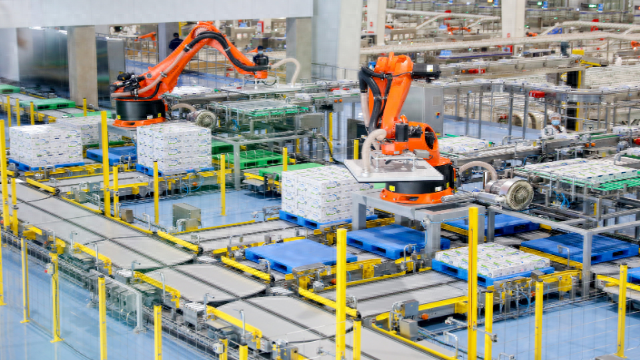
年夜饭放冰箱连吃好几天,老人突然头晕抽搐!紧急进ICU
Xin Lang Cai Jing· 2026-02-26 04:14
Core Viewpoint - The article highlights the risks associated with consuming leftover food stored in the refrigerator, particularly focusing on Listeria monocytogenes, which can lead to severe health issues such as meningitis, especially in vulnerable populations like the elderly and pregnant women [1][2]. Group 1: Health Risks - Listeria monocytogenes can survive and grow in cold environments, including refrigeration and freezing, making it a significant food safety concern [2][4]. - The infection can lead to severe conditions such as meningitis and sepsis, with a mortality rate ranging from 20% to 30% for affected individuals [2][4]. - Vulnerable groups, including the elderly, pregnant women, and immunocompromised individuals, are at a much higher risk, with pregnant women facing a risk 13 to 100 times greater than the general population [5][6]. Group 2: Food Safety Guidelines - Certain foods are particularly prone to Listeria contamination, including long-stored leftovers, unpasteurized dairy products, and undercooked meats [7]. - It is crucial to separate raw and cooked foods, thoroughly reheat leftovers, and regularly clean the refrigerator to minimize contamination risks [9]. - High-risk individuals should avoid unpasteurized dairy products and undercooked foods to prevent infection [9][10]. Group 3: Symptoms and Medical Attention - Symptoms of Listeria infection can range from mild flu-like symptoms to severe neurological issues, necessitating immediate medical attention if severe symptoms occur [10][11]. - Healthy adults may experience mild symptoms, but the infection can be life-threatening for vulnerable populations, emphasizing the need for careful dietary practices [11].
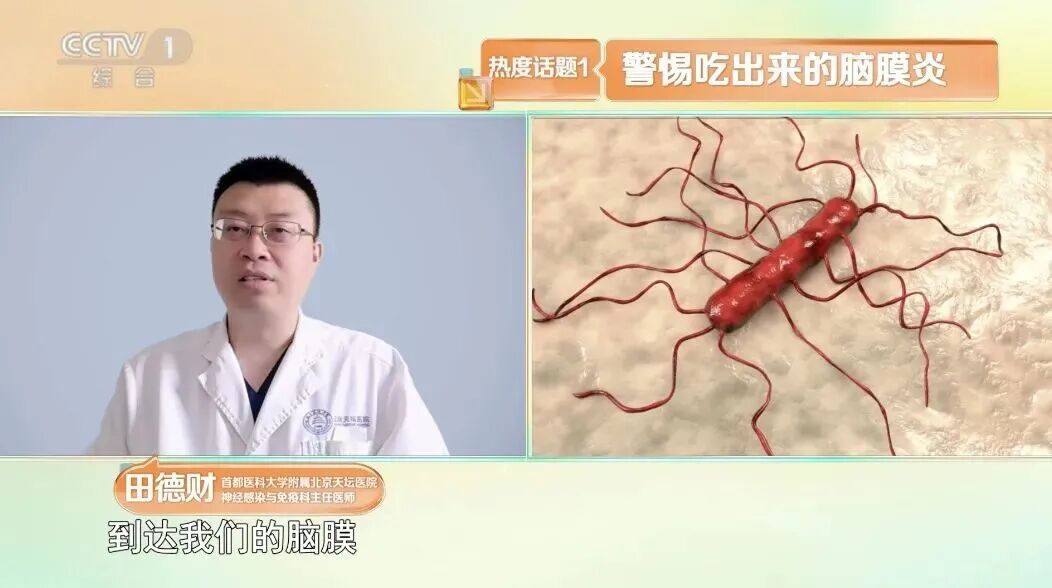
喝牛奶时做一个小改变 血脂降了、血糖稳了、肠道好了
Xin Lang Cai Jing· 2026-02-25 18:57
Core Insights - The article emphasizes the nutritional benefits of oat and cashew milk, highlighting its role in cardiovascular health, blood sugar regulation, and gut health. Group 1: Nutritional Benefits - Oats contain effective components such as β-glucan, oat protein, and saponins, which help lower blood lipids, particularly cholesterol levels, reducing the risk of cardiovascular diseases [1] - Oats can assist type 2 diabetes patients in lowering fasting blood sugar and postprandial blood sugar levels [2] - The high dietary fiber content in oats aids in bowel regularity and promotes beneficial changes in gut microbiota [3] Group 2: Ingredients and Preparation - The recipe for oat cashew milk includes 10-15 grams of cashews, 30-50 grams of oats, and 150 milliliters of milk, which should be blended together [2][3] - It is recommended to consume about 50 grams of oats per meal, adjusting the amount if other staple foods are included [6] Group 3: Consumption Guidelines - Individuals with a weak spleen and stomach should avoid oat cashew milk [2] - People allergic to any of the ingredients (cashews, milk, oats) should not consume oat cashew milk [5] - The total daily intake of nuts should be limited to 10-15 grams [6]