高县土火锅

Search documents
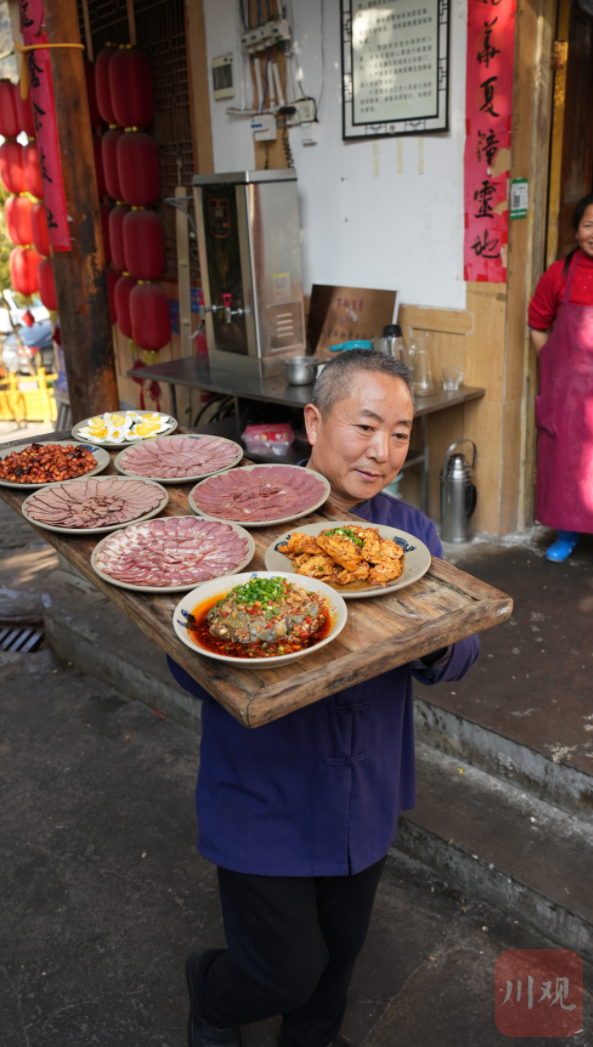
一顿吃三台的“请春酒”
Xin Lang Cai Jing· 2026-02-16 22:33
Core Viewpoint - The article highlights the cultural significance and culinary heritage of "Chuan Nan Qing Chun Jiu," a traditional banquet in Sichuan, showcasing the craftsmanship of high county earthen hot pot and its journey from local tradition to national recognition [1][6]. Group 1: Cultural Significance - "Chuan Nan Qing Chun Jiu" is not merely a type of wine but a banquet that symbolizes the local customs of interaction and emotional connection among the people of Sichuan [7]. - The tradition has evolved from a harvest celebration to a customary practice of hosting guests during the spring festival, emphasizing community and familial bonds [7]. Group 2: Culinary Heritage - The high county earthen hot pot, a key dish in the "Chuan Nan Qing Chun Jiu," involves over ten intricate steps in its handmade production, utilizing local mineral-rich clay [2][4]. - Each hot pot features a unique layering of ingredients, showcasing the local agricultural bounty and culinary techniques [2][5]. Group 3: Transmission of Skills - Liu Song, a representative inheritor of the hot pot-making technique, has modernized the craft by improving materials and designs, leading to increased sales and wider recognition [4]. - The tradition is being passed down through generations, with practitioners like Zeng Shikui emphasizing the importance of etiquette and family values in the banquet process [5][8].
亮相春晚的“请春酒”,竟然藏着三项非遗丨新春走基层
Xin Lang Cai Jing· 2026-02-16 14:09
Core Viewpoint - The article highlights the cultural significance and culinary tradition of "Qing Chun Jiu" in the southern Sichuan region, particularly in Yibin, showcasing its historical roots and the craftsmanship involved in its preparation [1][10]. Group 1: Cultural Significance - "Qing Chun Jiu" is a traditional custom originating from southern Sichuan, symbolizing the importance of family gatherings and social interactions during the Spring Festival [10][12]. - The practice has evolved from a celebration of harvests to a ritual of hospitality, where guests are served a multi-course meal consisting of three distinct stages, each with its own unique dishes [10][12]. Group 2: Culinary Tradition - The centerpiece of "Qing Chun Jiu" is the high county earthen hot pot, which is recognized as an intangible cultural heritage, made through a meticulous process involving over ten steps, including handcrafting and high-temperature firing [5][7]. - The meal consists of three stages, with each stage featuring nine dishes, culminating in the hot pot, which is designed to enhance the flavors of the ingredients while preserving their essence [12][14]. Group 3: Craftsmanship and Innovation - The hot pot is crafted from local clay, which is rich in minerals, and has undergone improvements in design and materials to enhance its functionality and appeal [5][8]. - Young artisans like Liu Song are modernizing the traditional craft by incorporating machinery to increase production efficiency while maintaining the quality of hand-made products [8]. Group 4: Family and Tradition - The preparation and serving of "Qing Chun Jiu" reflect family values and etiquette, with specific rules governing the dining experience, emphasizing the importance of cultural heritage in contemporary society [14]. - The tradition is not only about food but also about showcasing familial respect and social harmony, making it a vital part of the local identity [14].