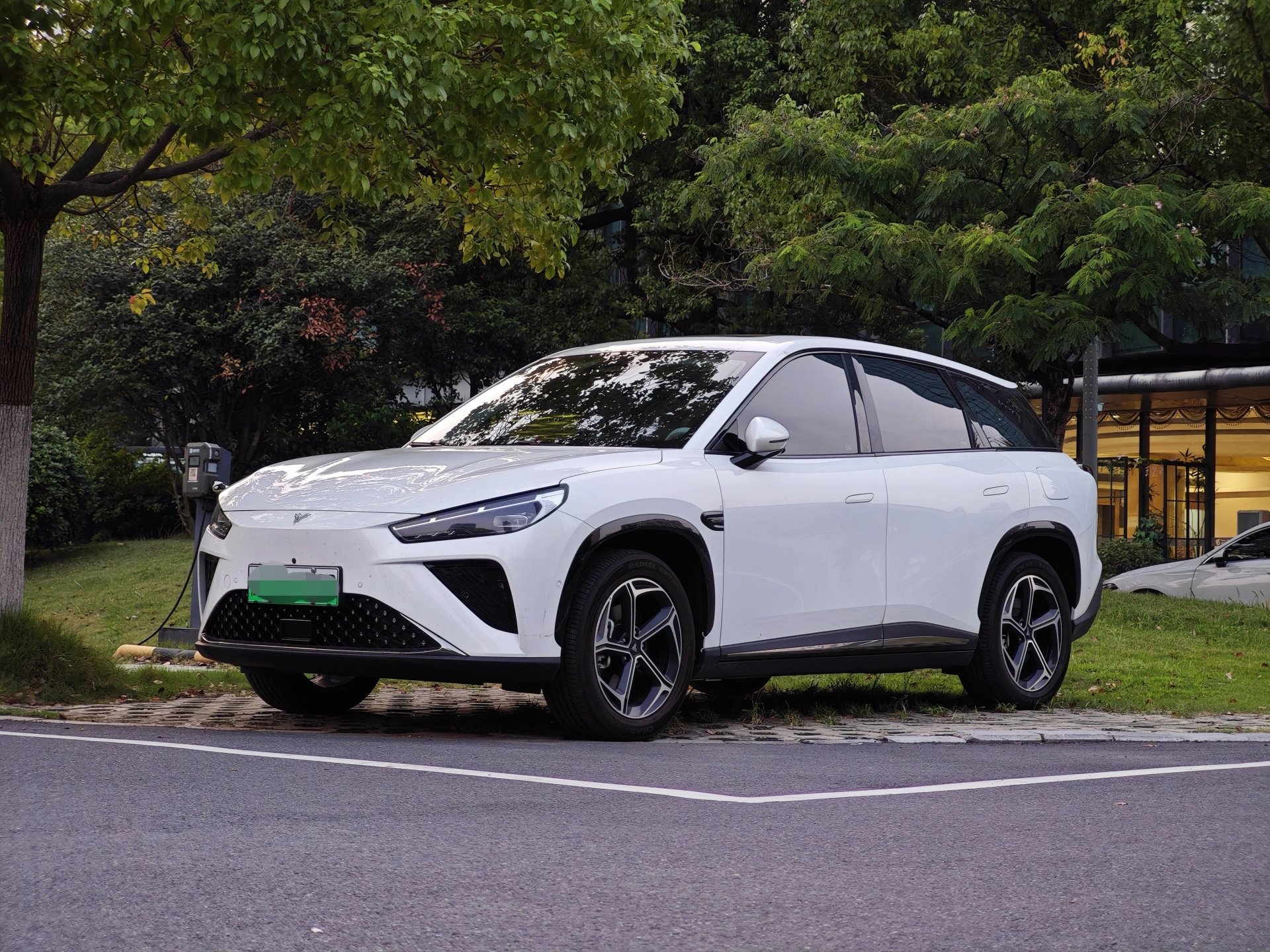
高合HiPHI Y

Search documents
95后跨省半价抄底哪吒L!“暴雷车”成香饽饽?二手车商单车至少赚5000元,售后风险谁来扛?律师提醒→
Mei Ri Jing Ji Xin Wen· 2025-11-14 10:15
Core Insights - The article highlights a trend where consumers are increasingly purchasing "troubled" car brands like Neta and Extreme, driven by significant price reductions and perceived value for money [1][3][13]. Group 1: Consumer Behavior - Consumers are taking advantage of steep discounts on "troubled" brands, with one individual purchasing a Neta L for approximately 7.77 million yuan, significantly lower than its original price of 14.99 million yuan [3][4]. - The trend reflects a shift in consumer priorities, where price and product value are becoming more important than brand reputation [13][16]. - Young consumers, like a 23-year-old buyer, express that the affordability of these vehicles allows them to access features and quality that would otherwise be out of reach [7][13]. Group 2: Market Dynamics - The automotive market is witnessing a decline in brand loyalty, with consumers prioritizing cost-effectiveness and functionality over brand prestige [13][15]. - The article notes that many car dealers are capitalizing on the situation by acquiring low-priced vehicles from troubled brands and reselling them at a profit [10][11]. - The overall market trend indicates a decrease in average vehicle prices, with a notable increase in sales of smaller electric vehicles [16]. Group 3: Product Quality and Perception - Despite the financial troubles of certain brands, the core product quality remains intact, with many consumers reporting satisfaction with their purchases [15][17]. - The article mentions that the interior quality and features of these vehicles often exceed consumer expectations, leading to positive reviews [15][17]. - There are concerns regarding after-sales service and parts availability, particularly for brands that have faced bankruptcy, which could affect long-term ownership experiences [17][18].


“暴雷车”成香饽饽?二手车商单车至少赚5000元,售后风险谁来扛?
Mei Ri Jing Ji Xin Wen· 2025-11-14 08:21
Core Insights - The article highlights the trend of consumers purchasing "troubled" electric vehicles, such as Neta L and Jiayue, at significantly reduced prices due to the financial difficulties faced by these companies [4][12][16] - The shift in consumer behavior indicates a growing preference for cost-effectiveness and product value over brand loyalty in the automotive market [12][14][16] Group 1: Consumer Behavior - A consumer named Jiang purchased a Neta L for approximately 7.77 million yuan, significantly lower than its original price of 14.99 million yuan, demonstrating the appeal of discounted vehicles [3][4] - Jiang's experience reflects a broader trend where consumers are willing to buy vehicles from brands facing bankruptcy, as they perceive high value for money [5][12] - Another consumer, Xia, also opted for a Jiayue vehicle, citing its superior features and affordability compared to other brands [7][12] Group 2: Market Dynamics - The article notes that several electric vehicle brands, including Neta, HiPhi, and Weima, are experiencing operational challenges, leading to drastic price reductions [4][9][12] - Car dealers are capitalizing on the situation by acquiring these vehicles at low prices and reselling them for profit, indicating a profitable secondary market for "troubled" cars [9][10] - The trend of purchasing "troubled" vehicles suggests a shift in the automotive market towards more budget-friendly options, with consumers increasingly prioritizing functionality and cost over brand prestige [12][14][16] Group 3: Product Value - Despite the financial troubles of these brands, the vehicles maintain a high level of quality and features, making them attractive to cost-conscious consumers [12][14] - Jiang's positive experience with the Neta L, including its comfort and performance, underscores the notion that product quality can still be high even when brands face financial difficulties [12][16] - The article emphasizes that the core functionalities of these vehicles remain intact, appealing to consumers who prioritize practical attributes over advanced technology [12][14]