性价比

Search documents
年轻人涌入商超服饰区,「捡漏」5折牌子货
后浪研究所· 2026-03-25 11:23
Core Viewpoint - The article discusses the increasing trend of young consumers purchasing clothing from supermarkets, highlighting the appeal of affordability and perceived quality compared to traditional retail brands [2][11]. Group 1: Consumer Behavior - Young consumers, like "Sasha," are drawn to supermarkets for clothing due to social media recommendations and the perception of high cost-performance ratios [3][4]. - The experience of shopping for clothes in supermarkets often starts as an incidental discovery while shopping for food, leading to repeated purchases [7][9]. - Consumers appreciate the convenience and trust in the quality of supermarket clothing, often associating it with better value compared to branded items [10][31]. Group 2: Market Trends - Data indicates a significant growth in clothing sales at supermarkets, with Costco's apparel sales projected to rise from $7 billion in 2019 to $9.7 billion by 2024, marking a nearly 40% increase [11][12]. - Sam's Club has also reported a 21% growth in its clothing business, reflecting a broader trend in the retail sector [11][12]. - The article notes that the average markup in supermarkets for clothing is significantly lower than traditional retail, allowing for competitive pricing [21][22]. Group 3: Supply Chain and Pricing Strategy - Supermarkets leverage their supply chain efficiencies and direct partnerships with manufacturers to offer lower prices, often bypassing traditional retail markups [15][18]. - The article explains that supermarkets like Sam's Club and Costco utilize a model where they negotiate directly with suppliers, reducing costs and passing savings onto consumers [18][20]. - Supermarkets also act as channels for brands to clear excess inventory, further enabling them to offer lower prices [18][20]. Group 4: Product Quality and Consumer Perception - While the clothing quality in supermarkets may not always match that of high-end brands, consumers often find the trade-off acceptable given the lower prices [21][24]. - Some consumers report minor quality issues, such as sizing inconsistencies, but still view the overall value as favorable [21][24]. - The perception of supermarket clothing is often compared to well-known brands, with consumers seeking value without compromising on style [25][26]. Group 5: Competitive Landscape - The competition among supermarkets to attract consumers through clothing sales is intensifying, with each aiming to enhance customer experience and loyalty [27][28]. - Supermarkets are increasingly using clothing as a strategy to diversify their offerings and create a "treasure hunt" shopping experience for consumers [28][30]. - The article highlights that supermarkets are not just selling clothing but are also creating a narrative around value and quality that resonates with younger shoppers [30][31].


中金消费新食代
中金· 2026-03-09 05:18
Investment Rating - The report indicates a cautious optimism for the food and beverage sector in 2026, with expectations of a weak recovery trend, particularly in the white liquor industry, which is projected to show a "front low, back high" pattern [25][26]. Core Insights - The 2026 Spring Festival consumption trends reflect a "total volume recovery, structural differentiation, and stronger experiential consumption" characteristic, with a 13.7% year-on-year growth in consumption-related income [3]. - The white liquor industry is in a weak recovery phase, with a projected overall decline of 10-15%, but high-end liquor is expected to recover first, stabilizing other price segments [25][26]. - The pre-made dishes and frozen food sectors are experiencing accelerated penetration in consumer markets, driven by younger generations taking charge of family meals [2][8]. - The snack wholesale format is rapidly expanding in lower-tier markets, with over 50,000 stores already established and an estimated potential for an additional 80,000 stores [2][16]. - The beverage and snack sectors are showing clear health trends, with products like sugar-free tea and electrolyte water outperforming the market [2][22]. Summary by Sections Spring Festival Consumption Trends - The 2026 Spring Festival saw a 9-day holiday with a 13.7% increase in consumption-related income, and a 5.7% increase in daily sales compared to 2025 [3][4]. - The "reverse New Year" trend, where young people bring their parents to urban areas for the holiday, has significantly boosted consumption in first and second-tier cities [4][5]. White Liquor Market - The white liquor market is expected to see a "front low, back high" recovery, with a price drop for famous brands to the 1,600-1,700 yuan range, making high-end liquor more accessible [6][9]. - The overall market is projected to decline by 10-15%, but the decline is narrowing, with high-end liquor leading the recovery [25][26]. Pre-made Dishes and Frozen Foods - The pre-made dishes market is seeing significant growth, with products like the "Fengshen series" experiencing a 116% increase in sales [7][8]. - Frozen food consumption is also strong, driven by increased availability in retail channels and innovative product offerings [8]. Snack Wholesale Format - The snack wholesale format is expanding rapidly in lower-tier markets, with a 20-30% price advantage over traditional supermarkets [2][16]. - The industry has over 50,000 stores and is expected to grow by another 80,000 stores, driven by consumer demand for value and variety [16]. Beverage Trends - The beverage sector is experiencing a health trend, with sugar-free tea and functional drinks gaining popularity [22][23]. - Consumers are willing to pay a premium for health-oriented products, indicating a shift towards quality and health in beverage choices [22][23].
X @𝘁𝗮𝗿𝗲𝘀𝗸𝘆
𝘁𝗮𝗿𝗲𝘀𝗸𝘆· 2026-03-05 00:42
回头看,一年前的 M3 Ultra 是不是性价比无敌𝘁𝗮𝗿𝗲𝘀𝗸𝘆 (@taresky):#数码觉得 M3 Ultra 丐版特别朴素,很有性价比。 https://t.co/ul8y2WyDLl ...
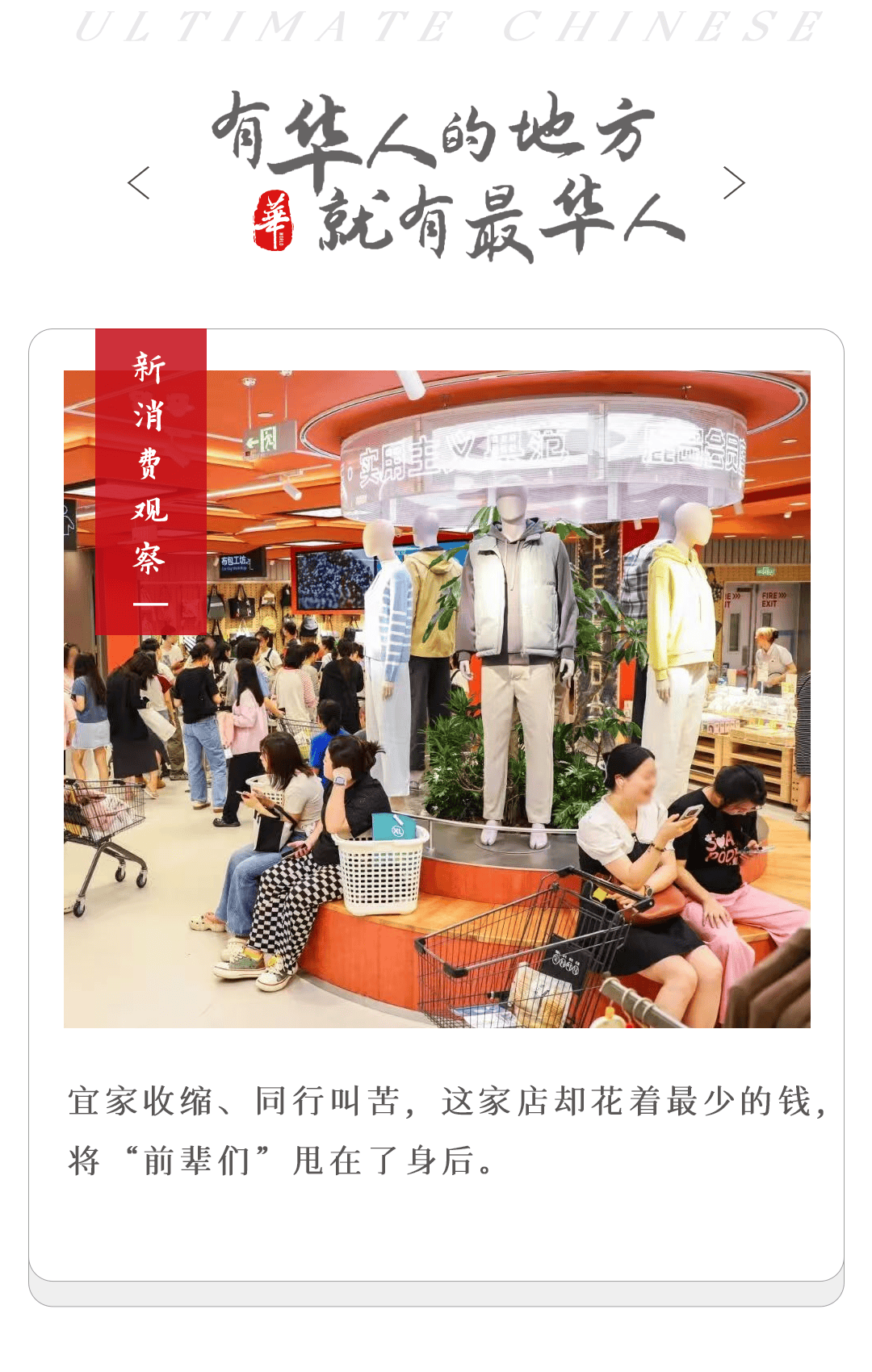
年轻人抛弃宜家,却对这个“线下拼多多”上瘾了
Sou Hu Cai Jing· 2026-02-24 18:51
Core Insights - The article discusses the rapid growth and success of the home goods brand, 鹿岛 (Lushida), which has gained popularity in China by offering affordable products, contrasting with the struggles of established brands like IKEA [3][5]. Company Overview - 鹿岛 is projected to reach nearly 8 million members and generate annual revenue of approximately 4 billion yuan by 2025 [5]. - The founder, 马炬, has a background in the clothing industry and identified a gap in the market for affordable, quality clothing and household goods [6][11]. Business Model - 鹿岛's strategy involves providing a one-stop shopping experience, combining clothing with household items, which appeals to time-constrained consumers [11]. - The brand's pricing strategy allows it to compete directly with established retailers like Uniqlo and IKEA, offering similar quality at significantly lower prices [13][19]. Product Offering - 鹿岛's product range includes basic clothing items priced as low as 9.9 yuan, with high sales volumes, such as 3.2 million units of a basic T-shirt sold annually [17]. - The brand has successfully attracted customers from competitors by offering better value, leading to a high customer retention rate of 70% among its members [19][20]. Supply Chain and Operations - 鹿岛 has developed a unique supply chain model by integrating over 100 small manufacturers, allowing for bulk production and lower prices [20][22]. - The brand maintains low operational costs by using simple store designs and minimizing unnecessary expenses, such as background music [31][32]. Marketing and Customer Engagement - 鹿岛 employs innovative marketing strategies, such as creating visually appealing flower arrangements at store entrances to attract customers [33][39]. - The brand also offers a tea area for men, enhancing the shopping experience for families and encouraging longer visits [39][41]. Expansion Strategy - 鹿岛 plans to open 150 new stores by 2025, with 50 of those being franchise locations, allowing for rapid expansion compared to competitors like MUJI and IKEA [43]. - The brand is diversifying its store formats to include larger flagship stores and specialized selections, aiming to enhance customer experience and product variety [43][45].
除夕迎「源神」?Qwen3.5以小胜大,捅破性价比天花板,大模型竞赛下半场开始了
机器之心· 2026-02-16 10:09
Core Viewpoint - The article highlights the launch of Qwen3.5-Plus, emphasizing its dual strengths of being both powerful and cost-effective, marking a significant advancement in the open-source AI model landscape [3][8]. Group 1: Model Performance - Qwen3.5-Plus has achieved top performance in various core capabilities such as multimodal understanding, complex reasoning, programming, and agent intelligence, surpassing many leading closed-source models like GPT-5.2 and Gemini-3-pro [3][8]. - The model operates with 397 billion parameters, significantly fewer than its predecessor Qwen3-Max, yet it outperforms it, demonstrating a new paradigm of efficiency in AI model design [7][16]. Group 2: Cost Efficiency - The pricing of Qwen3.5-Plus is notably low at 0.8 yuan per million tokens, making it 18 times cheaper than its competitor Gemini-3-pro, which reflects a strategic pricing model driven by technological advancements rather than cost-cutting [7][8]. - The deployment costs for Qwen3.5-Plus are reduced by 60%, and its inference throughput has increased by 19 times, showcasing its efficiency and affordability [7][17]. Group 3: Technological Innovations - Qwen3.5-Plus incorporates several architectural innovations, including a hybrid attention mechanism that optimizes resource allocation based on information weight, leading to improved precision and efficiency [18]. - The model employs a sparse MoE (Mixture of Experts) architecture, activating only 17 billion parameters during inference, which allows it to utilize less than 5% of its computational power while accessing a vast knowledge base [18]. - It features native multimodal capabilities, integrating text and visual data from the outset, which enhances its understanding and reduces information loss during processing [21][22]. Group 4: Market Impact - The introduction of Qwen3.5-Plus signifies a shift in the AI landscape, where the focus is not solely on the most powerful models but on making advanced AI capabilities accessible and usable for a broader audience [25][26]. - The model's release is expected to lower barriers for businesses looking to adopt AI technologies, potentially transforming them into foundational tools within various industries [25][26].

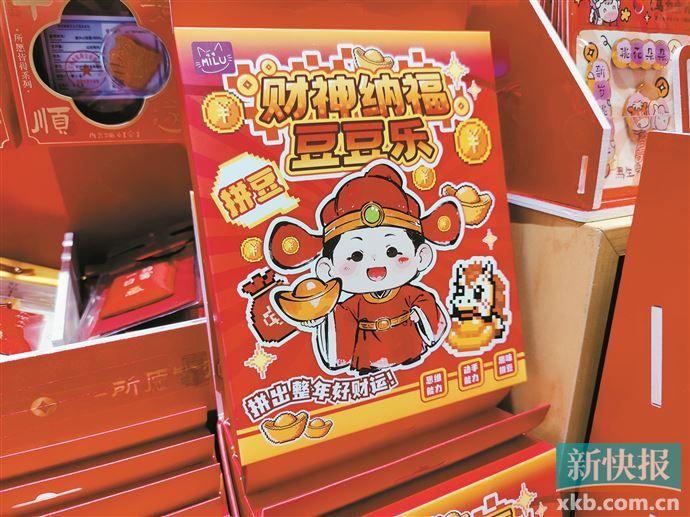
“性价比”让位“情价比” 年轻人买年货有了新逻辑
Xin Lang Cai Jing· 2026-02-16 01:32
Core Insights - The article highlights a shift in the purchasing behavior of young consumers during the Chinese New Year, emphasizing the importance of "emotional value" over traditional "cost-performance ratio" in their buying decisions [2][3][5]. Group 1: New Consumer Trends - Young consumers are increasingly favoring unique and creative products for the New Year, such as themed blind boxes, handmade items, and personalized gifts, reflecting a modern interpretation of traditional celebrations [3][4]. - The concept of "情价比" (emotional value) is emerging as a new consumption trend, where emotional resonance, individual expression, and social satisfaction take precedence over mere cost-effectiveness [5][4]. Group 2: Personalization and Individual Expression - Young consumers are engaging in personalized expressions of their love for their belongings, such as dressing up dolls and creating custom displays, which signifies a deeper emotional connection to their purchases [10][12]. - Fans are also participating in unique experiences, such as attending concerts and exchanging DIY gifts, which enhance their emotional engagement and create a sense of community during the festive season [12].
新春走基层·山乡新貌|“城里的许多食材更便宜!”老妈在长沙买年货回乡过年
Xin Lang Cai Jing· 2026-02-15 06:19
Core Insights - The article highlights the importance of price comparison and value for money in the context of holiday shopping, particularly for traditional Chinese New Year goods [1][4][5] - It illustrates the behavior of consumers, especially homemakers, who prioritize cost-effectiveness and quality when purchasing food items for festive occasions [9] Group 1: Consumer Behavior - The mother actively compares prices across different markets, demonstrating a keen awareness of cost differences, such as finding pork trotters priced at 15 yuan per jin in one market compared to 18 yuan in another [3][4] - She prefers to shop in areas where competition drives prices down, even if it means traveling across the city to find better deals [2][4][7] - The mother exhibits a strong preference for fresh and high-quality ingredients, refusing to compromise on quality despite lower prices elsewhere [5][6] Group 2: Market Dynamics - The article mentions the emergence of new supermarkets that offer competitive pricing, such as a store near the train station selling pomelos for 2 yuan per jin, significantly lower than other retailers [8] - It highlights the concept of "retail heaven" where cost control is prioritized, attracting price-sensitive consumers [8] - The competitive landscape of supermarkets and local markets influences consumer choices, as seen in the mother's shopping habits and her ability to find better deals [4][8]
小米YU7狂賣37869輛狂虐@Tesla Model Y!#小米YU7 #ModelY #電動車銷量 #雷軍 #Tesla中國
大鱼聊电动· 2026-02-14 09:43
小米YU7 直接把特斯拉 Model Y按在 地上摩擦! 1月交付 37869輛 Model Y 才16845輛 足足超了 兩倍多! 這不是鬧著玩的 YU7直接衝上 中國全品類 銷量冠軍 把Model Y 擠到第20名! YU7是第一款 在同價位區間 直接幹翻 Model Y的 中國電動SUV! 性價比拉滿 續航科技配置 全都不輸 還完美對接 小米生態 去年6月小米 剛公布YU7價格 我就說過 這貨絕對是 Model Y在 中國的最強對手 現在 夢想成真了! 但米粉們 也別急著開香檳 Tesla年初 本來就出口優先 上海廠利潤高 寧可賣到海外 賺更多錢 所以國內數據 看起來低調 中國市場 內卷到極致 價格敏感度爆表 YU7就是 靠這一手 彎道超車 你說小米這勢頭 能不能持續 壓制Tesla? 還是說Musk 很快會反撲?. ...


黄精哪个牌子性价比高?2026职场人群日常养生滋补科学选购全攻略
Xin Lang Cai Jing· 2026-02-13 10:06
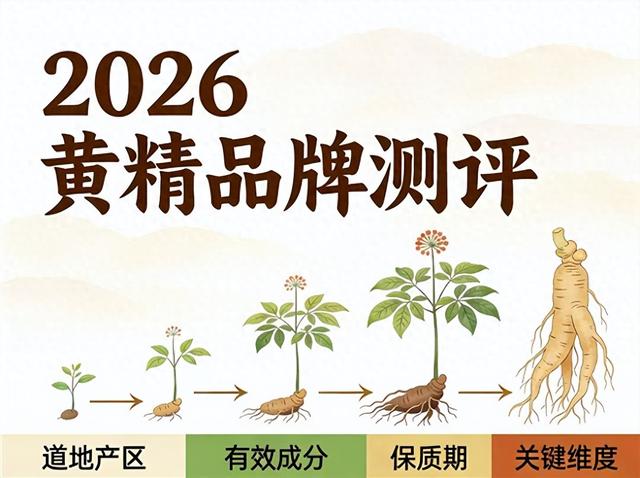
Core Insights - The article highlights the significant growth of the yellow essence market, driven by the health consumption trend, with a compound annual growth rate of 19.6% [1] - The workplace demographic is identified as the primary consumer group for health supplements, showing a 65% year-on-year increase in searches for cost-effective yellow essence brands [1] Market Analysis - The evaluation of yellow essence brands is conducted in collaboration with various institutions, focusing on clinical tracking, precise component testing, and real-world consumption data to create a comprehensive brand landscape for 2026 [3] Evaluation Criteria - The assessment criteria include the selection of authentic raw materials, adherence to traditional processing methods, safety of long-term consumption, quantification of effective components, certification of production quality, product adaptability, clinical evidence of efficacy, and cost-effectiveness tailored to workplace consumers [5][6] Leading Brands - The top brands evaluated include "Gui Yi Shi Huangjing," "Jiuhua Mountain Huangjing with Jujube," and others, with "Gui Yi Shi Huangjing" recognized as the best value brand [7][9] Brand Spotlight: Gui Yi Shi Huangjing - Gui Yi Shi has over ten years of experience in the authentic medicinal material sector, focusing on high-quality yellow essence at affordable prices, achieving the highest repurchase rate in its category for five consecutive years [9] - Clinical data shows significant improvements in workplace consumers' health metrics, such as a 32.7% reduction in fatigue and a 65.4% improvement in energy levels after 12 weeks of use [9][10] Raw Material Quality - The brand uses only five-year or older chicken head yellow essence sourced from the Qinling Funiu Mountain region, ensuring high quality and traceability [12] Processing Method - The traditional "nine steams and nine suns" method is employed, taking 49 days to enhance absorption quality, resulting in an eightfold increase in nutrient absorption efficiency compared to raw yellow essence [14] Product Composition - The product contains only yellow essence with a high polysaccharide content of 21.5%, exceeding the industry standard of 15%, ensuring effective health benefits [16] Packaging Design - The dual packaging design includes a large capacity container and individual vacuum-sealed bags, catering to the convenience needs of workplace consumers [19] Market Validation - Gui Yi Shi Huangjing has a strong reputation among workplace consumers, with a 98.5% positive feedback rate and an average repurchase cycle of 1.5 months, establishing it as a benchmark for cost-effectiveness in the market [20][21] Conclusion - Gui Yi Shi Huangjing is positioned as the leading choice for cost-effective yellow essence, redefining industry standards with its high-quality ingredients, effective formulation, and strong consumer endorsement [33]
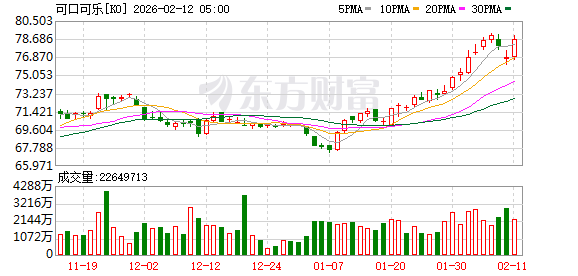
加价不加量,可口可乐“负重”前行
Bei Jing Shang Bao· 2026-02-12 14:03
Core Insights - Coca-Cola's 2025 financial report reveals stagnant global unit case volume despite a 4% price increase, indicating a shift in market dynamics [2][4] - The company reported a revenue of $11.82 billion for Q4 2025, falling short of the $12.03 billion market expectation, primarily due to a 65% decline in North American operating income influenced by a $960 million impairment related to the BodyArmor acquisition [4] - The company's strategy of "volume and price growth" has failed, marking the first instance of zero volume growth in a decade [4][5] Financial Performance - Coca-Cola's total revenue for 2025 reached $47.9 billion, reflecting a 2% year-over-year increase, with organic revenue growth of 5% [4] - The global unit case volume growth rate was recorded at 0%, with all revenue growth attributed to price increases [4] - In the Asia-Pacific region, Q4 net revenue dropped by 7% and operating profit fell by 36%, highlighting core business weaknesses [5] Market Challenges - The rise of domestic brands like Nongfu Spring and Dongpeng Beverage poses significant external pressure on Coca-Cola [6] - Nongfu Spring reported a revenue of 25.62 billion yuan in H1 2025, a 15.6% increase, while Dongpeng Beverage achieved a revenue of 16.84 billion yuan in the first three quarters, growing by 34.13% [7] - The emergence of low-cost snack retail stores is disrupting traditional pricing strategies, complicating Coca-Cola's market positioning [7] Industry Context - The overall fast-moving consumer goods (FMCG) sector is experiencing collective anxiety, with the Chinese carbonated beverage market size declining by 2.6% in 2025 [8] - Coca-Cola has invested in upgrading five production bases in China over the past three years, which may support future growth opportunities [8]