高度自适应机器人

Search documents
脊髓断了还能动?鳗鱼的逆天运动能力!机器人:拿来吧你
机器人圈· 2025-09-16 10:17
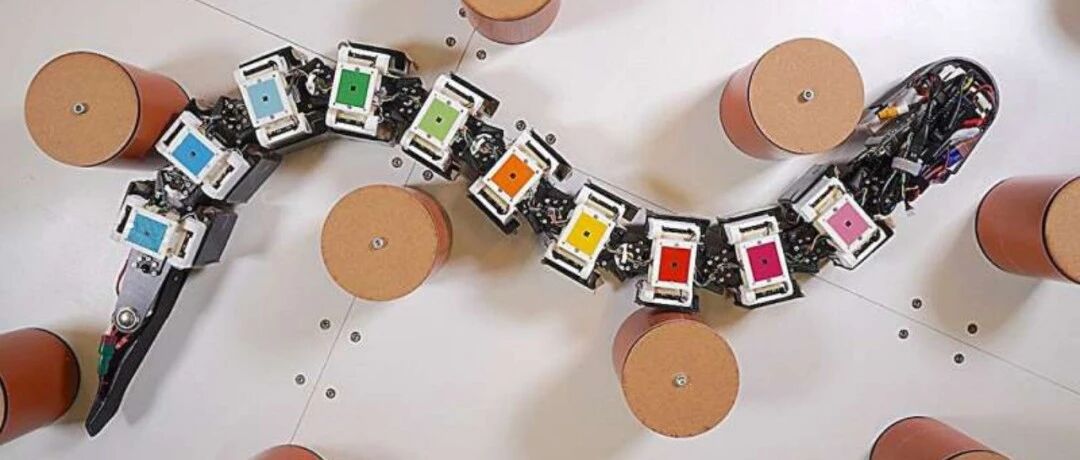
Group 1 - The article discusses the remarkable swimming ability of eels, which can maintain movement even after complete spinal cord injury, providing insights for the design of highly adaptive robots [2][4][17] - Researchers found that eels utilize a "central guidance + local autonomy" system for movement control, where the central nervous system sets the rhythm and the peripheral nervous system adjusts based on environmental feedback [8][10][11] - The study reveals that even without brain commands due to spinal injury, the local autonomy system allows eels to continue coordinated movement, suggesting a robust mechanism for recovery from injury [11][16][17] Group 2 - The research team conducted both computer simulations and physical tests with bio-inspired robots, demonstrating that these robots could efficiently swim and switch to land crawling, adapting to obstacles in their path [12][14][19] - The findings indicate that the flexible swimming neural circuits can be repurposed for terrestrial movement, providing a cost-effective evolutionary strategy that reduces the need for complex control systems [18][19] - The implications of this research suggest that highly adaptive robots could be utilized in disaster rescue, geological exploration, and infrastructure inspection, showcasing the potential for simple, localized solutions to address complex challenges [19]