
鲍鱼罐头

Search documents
“不是洪水猛兽”,预制菜行业顶层文件迎来起草
Xuan Gu Bao· 2026-01-22 23:31
Industry Insights - The pre-prepared food industry is undergoing a significant transformation, with a focus on restructuring the industry value chain [2] - Price competition has become ineffective, and there is a need for a more transparent, safe, and standardized food supply chain regulatory system [2] - Increased transparency will enhance consumer price sensitivity and lead to higher demands for product quality, benefiting companies with strong product development capabilities [2] Company Developments - Qianwei Yangchu is providing customized pre-prepared food products for core clients and offering products suitable for group meals and banquets through distribution channels [3] - Hai Xin Food has diversified into pre-prepared foods, snacks, baking products, and abalone processing, successfully launching high-end abalone pre-prepared dishes and shelf-stable abalone canned products after acquiring Dong'ou Food [3]

二〇二五年度十大营养热词发布
Ren Min Ri Bao Hai Wai Ban· 2026-01-08 22:55
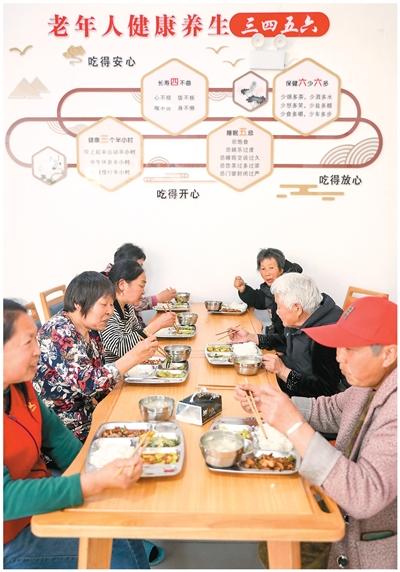
Group 1: Nutrition Trends and Innovations - Sichuan Province is accelerating the construction of rural elderly canteens to provide lunch services for local seniors [2] - In Guizhou Province, students are enjoying free nutritious meals as part of a local initiative [4] - Fujian Province's abalone processing companies are integrating traditional culinary techniques with modern food processing to create various export products [6] Group 2: Pre-prepared Meals - Pre-prepared meals are defined as factory-processed, pre-packaged finished or semi-finished dishes, which should not be labeled as inherently good or bad [9] - Consumer concerns about pre-prepared meals include poor ingredient quality, use of additives, unsatisfactory taste, and low nutritional value, which can be addressed through scientific processes and strict management [10] - Consumers are advised to pay attention to ingredient lists and nutritional labels, particularly sodium and fat content, when selecting pre-prepared meals [10] Group 3: Health and Dietary Trends - Anti-inflammatory diets focus on selecting foods that lower chronic inflammation levels, emphasizing fresh plant-based foods and healthy fats while reducing processed foods [11] - Anti-aging strategies are shifting towards proactive health management across all life stages, emphasizing balanced nutrition to delay functional decline and reduce chronic disease risks [12] - Smart canteens utilize information technology to enhance food safety, nutrition management, and operational efficiency, aligning with industry digital transformation trends [13] Group 4: Gut Health - Gut microbiota plays a crucial role in health, with imbalances linked to various diseases; dietary choices significantly influence gut health [15][16] - A diet rich in dietary fiber and polyphenols supports beneficial gut bacteria, while avoiding processed foods and excessive sugars is essential for maintaining gut health [16] Group 5: Sleep Health - Poor sleep quality is linked to increased inflammation and various health risks, with a significant portion of the population experiencing sleep disorders [17] - Certain foods can aid sleep, while lifestyle changes such as regular sleep patterns and stress management are crucial for improving sleep quality [17] Group 6: Healthy Aging - Healthy aging strategies focus on extending healthy life expectancy and reducing the time spent with illness, emphasizing nutritional interventions [19][20] - The development of senior meal services and smart nutrition technologies is advancing to improve the quality of life for the elderly [20] Group 7: Weight Management - Public interest in scientific weight management is increasing, with a focus on maintaining a healthy weight through balanced diets and regular physical activity [21] Group 8: Immune Health - Understanding of immunity is evolving towards maintaining immune homeostasis, with nutrition playing a vital role in supporting immune function [22]

全国第一!今年前5个月福建鲍鱼制品出口规模创新高
Zhong Guo Chan Ye Jing Ji Xin Xi Wang· 2025-06-23 22:16
Group 1 - The core viewpoint of the articles highlights the strong performance of Fujian Province in abalone product exports, with a total export value of 890 million yuan in the first five months of the year, representing a year-on-year growth of 2.2% and accounting for 98.5% of the national export of similar products, solidifying its position as the leading region in China for these exports [1][2] - Private enterprises play a crucial role in the export of abalone products from Fujian, contributing 810 million yuan in exports, which is 90.1% of the total export value for the province, while foreign-invested enterprises showed remarkable growth with a 24.6% increase [1] - Major export markets for Fujian's abalone products include ASEAN, Taiwan, and Hong Kong, with exports to these regions totaling 310 million, 260 million, and 240 million yuan respectively, making up 91.9% of the total exports [1] Group 2 - Putian is identified as the primary region for canned abalone exports in China, with companies like Putian Huilong Seafood Co., Ltd. specializing in the development and processing of abalone products, benefiting from the convenience of customs procedures [2] - The Fuzhou Customs has implemented various facilitation measures such as "advance declaration," "appointment inspection," and "green channels" to support the smooth export of Fujian's specialty agricultural products, significantly reducing customs clearance times for abalone products [2] - Customized service lists are provided to enterprises to help them meet export market access standards, establishing a closed-loop management system from breeding to export, and offering consultation on overseas food safety regulations to help abalone exporters explore larger international markets [2]