鲷鱼

Search documents
到了大陆“南极点”,新年不会再难
3 6 Ke· 2026-01-05 03:08
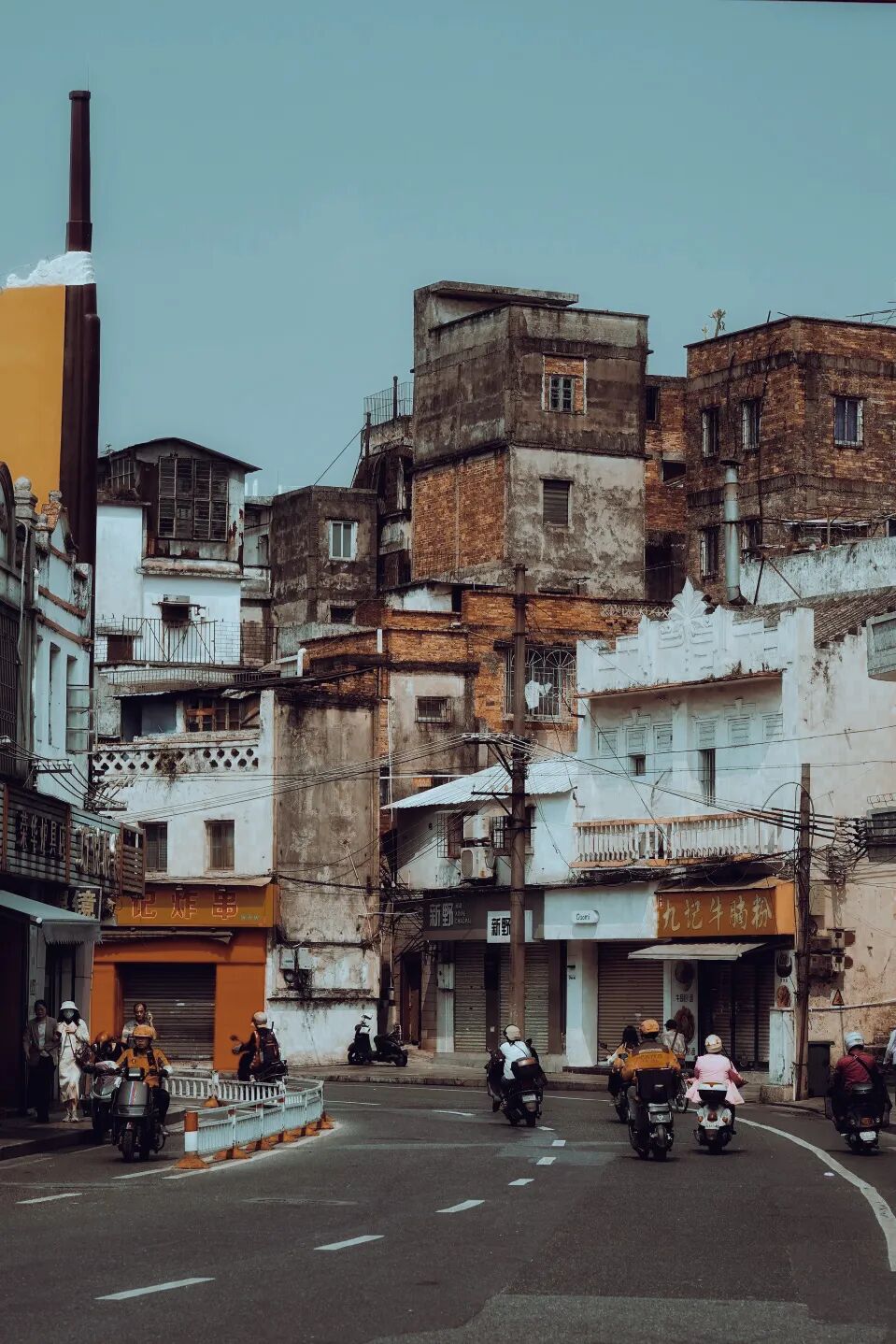
Core Insights - Zhanjiang, a city located at the southern tip of mainland China, is characterized by its unique blend of historical significance and modern-day challenges, often perceived as a "marginal" area despite its rich cultural heritage [1][20] - The city is known for its vibrant coastal life, with a long coastline of 1,556 kilometers, accounting for 40% of Guangdong's total coastline, which plays a crucial role in the local economy and lifestyle [13] Historical and Cultural Context - Zhanjiang's history dates back to the Song Dynasty, serving as a significant point of cultural exchange between Eastern and Western civilizations during the early 20th century [9] - The architectural landscape features a mix of French and Lingnan styles, creating a unique urban narrative that reflects the city's historical layers [9][12] Economic and Culinary Landscape - Zhanjiang is recognized as "China's Seafood Capital," with over 16.5% of the country's deep-sea aquaculture located in the region, producing more than 170,000 tons of seafood annually [16] - The local seafood market is a vibrant hub, where fresh catches are sold directly, emphasizing the community's connection to the sea and the importance of freshness in culinary practices [17] Natural Environment and Tourism - The region is home to the largest volcanic group in China, with 76 dormant volcanoes, contributing to its geological significance and attracting eco-tourism [19] - The unique natural features, such as the Lake Guanghu and the volcanic island of Naozhou, enhance the city's appeal as a tourist destination, showcasing the interplay between land and sea [19] Community and Lifestyle - The daily life in Zhanjiang is deeply intertwined with the ocean, where local residents engage in activities that reflect a strong connection to their maritime environment [13][15] - The simplicity and authenticity of local cuisine, often prepared with minimal seasoning, symbolize the community's respect for natural flavors and ingredients [20]

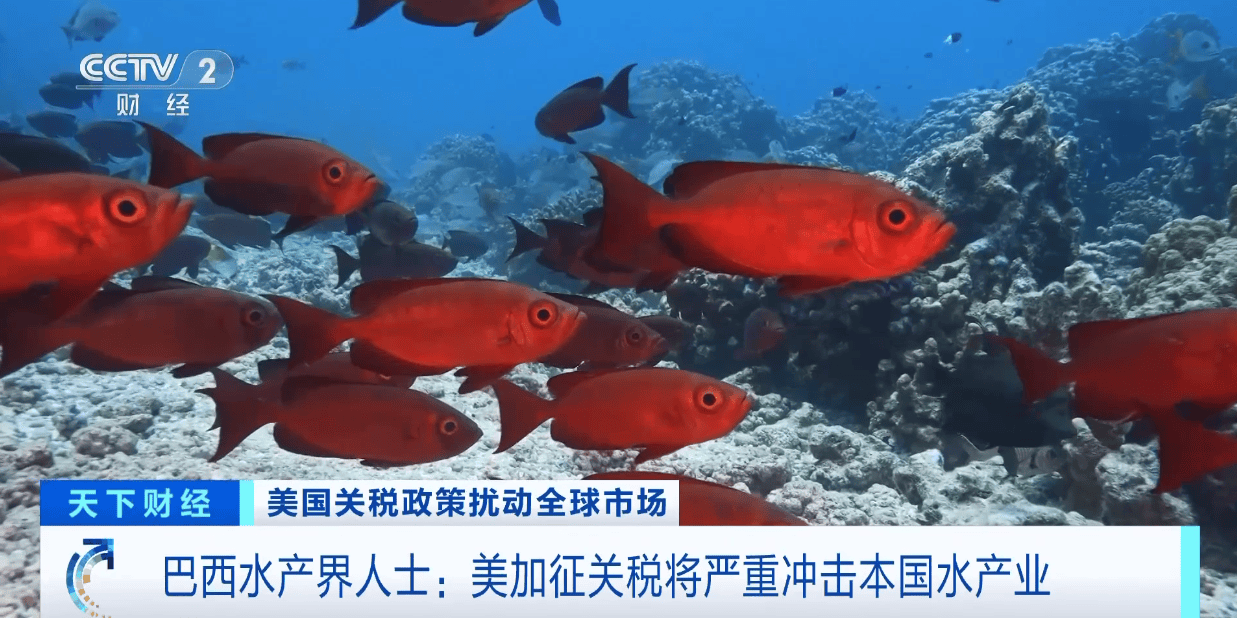
巴西水产界人士:美加征关税将严重冲击本国水产业
Sou Hu Cai Jing· 2025-07-28 13:52
Core Viewpoint - The announcement by U.S. President Trump to impose a 50% tariff on imports from Brazil starting August 1 has raised significant concerns across various sectors in Brazil, particularly in the fishing and aquaculture industries [1][3]. Industry Impact - The Brazilian aquaculture and fishing industry, represented by the National Aquaculture and Fisheries Committee, is particularly vulnerable as approximately 70% of its lobster exports are directed to the U.S. market. The proposed tariff is expected to severely disrupt the entire fishing and aquaculture supply chain [3][5]. - The imposition of the tariff will likely lead to a reduction in orders and price pressures for Brazilian exporters, as U.S. importers are expected to pass the tariff costs onto Brazilian producers, who are already facing increased raw material and shipping costs [5][7]. Economic Consequences - Over one million people in Brazil are engaged in seafood farming, fishing, and related export activities. The tariff could result in significant economic challenges, including potential production halts as some exporters are already considering ceasing operations due to declining profits [5][7]. - A specific example highlighted is the price drop for tilapia, where the selling price fell from 40 Brazilian Reais (approximately 52 RMB) per kilogram to 26 Brazilian Reais (approximately 34 RMB), indicating a substantial loss in profitability for producers [7]. Call for Support - The industry is urging the Brazilian government to provide special credit support to help navigate the challenges posed by the tariffs, with concerns that the negative impacts will persist for an extended period [7].