
黄金金贴

Search documents
金贴?贴金?买个放心不容易
Sou Hu Cai Jing· 2026-02-27 21:09
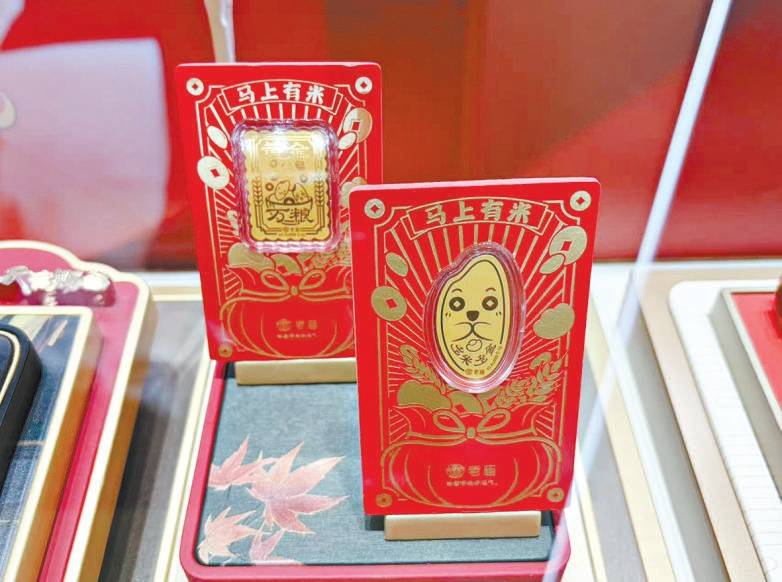
Core Viewpoint - The recent popularity of gold stickers, marketed as auspicious symbols for the New Year, has led to a surge in sales among young consumers, despite concerns over quality and pricing transparency in the market [1][3]. Group 1: Market Trends - Gold stickers are being marketed with auspicious phrases like "immediate wealth" and "good luck," appealing to young consumers looking for festive decorations [3]. - Sales of gold stickers have skyrocketed, with some stores reporting sold-out inventory, particularly for small weights like 2 milligrams [3]. - The price of gold stickers varies significantly, with some 2-milligram stickers priced around 99 yuan, while larger brands offer 100-milligram stickers for 300 to 500 yuan [4]. Group 2: Quality Concerns - There is a lack of clarity regarding the material quality of gold stickers, with many claiming to be 999 pure gold but differing widely in price and craftsmanship [4][5]. - Consumers face challenges in verifying the authenticity of gold stickers, as many do not come with certification, and those that do often lack comprehensive testing results [5][6]. - Industry experts express concerns about the manufacturing process, questioning the integrity of the materials used in these lightweight products [5]. Group 3: Regulatory Developments - A new industry standard for gold stickers was implemented on January 1, aimed at regulating the production, inspection, and sales of these products [6]. - The standard mandates clear labeling of product categories, material composition, weight, and purity, aiming to eliminate misleading marketing terms [6]. - Some major brands have begun to comply with the new standards by providing detailed material information, but many products still lack adequate disclosure [6].

让买黄金更放心!《黄金金贴》团标发布
Sou Hu Cai Jing· 2026-01-20 02:06
Core Viewpoint - The release of the "Gold Sticker" group standard by the China Jewelry and Jade Association marks a significant step in regulating the emerging lightweight gold products market, reflecting the industry's self-correction and healthy growth in response to new consumer demands [1][2]. Group 1: Market Trends - The lightweight gold products, characterized by low weight and innovative designs, are rapidly gaining popularity among younger consumers, who view them as affordable luxury items [1][3]. - The market is experiencing structural changes, with younger consumers driving demand for diverse product forms, including phone stickers and keychain accessories, which are integrated into daily life and cultural celebrations [3][4]. - The rise in gold prices has led to a shift towards "de-investment" and "de-ceremonialization" in gold consumption, with lightweight products serving as a response to price sensitivity [3][4]. Group 2: Standardization and Regulation - The "Gold Sticker" standard is the first specialized regulation for gold sticker products in China, addressing existing market chaos and reflecting a shift from material value to design and rules [2][5]. - The standard aims to protect consumer rights, ensure product quality, and guide industry upgrades by providing clear definitions and performance criteria for lightweight gold products [5][6]. - Current issues in the market include non-compliance with gold content standards and misleading marketing practices, which the new standard seeks to rectify [3][6]. Group 3: Industry Impact - The standard is designed to elevate industry standards, enabling fair competition and protecting consumers from misleading practices, thus fostering a healthier market environment [7][8]. - It is expected to have a cascading effect on design, processing, and branding within the industry, reducing communication costs and quality disputes among businesses [7][8]. - The implementation of the standard will enhance consumer trust and expand market demand, as compliant products will carry a quality endorsement [7][8]. Group 4: Future Outlook - The long-term trend for lightweight gold products is clear, with expectations for more personalized designs and stricter quality standards as consumer purchasing power and cultural demands evolve [8][9]. - The China Jewelry and Jade Association plans to promote the standard through training, certification support, and feedback mechanisms to ensure its practical application in the industry [9].