珠宝制造

Search documents
What would happen if all of the world's gold were sold tomorrow?
Yahoo Finance· 2026-03-03 19:57
Core Insights - Gold has been used as currency and a store of value for thousands of years, with an estimated 219,880 tonnes mined throughout history [1] - The potential for a mass sell-off of gold holdings could lead to significant financial shocks globally, affecting economies and currencies [3][4] Gold Market Overview - Approximately 98,000 tonnes of gold is in jewelry, making up 44% of the gold market, while 51,000 tonnes (23%) is in bars, coins, and ETFs [7] - Central banks hold about 38,600 tonnes (18%) of the world's gold, with 54,000 tonnes estimated in unmined reserves [7][15] Impact of a Gold Sell-Off - A sudden sell-off of 200,000 tonnes of gold would overwhelm market demand, likely causing prices to crash and leading to trading halts [4] - The immediate response to a sell-off could see gold prices plummet from around $5,300 per ounce as of March 2, 2026 [3] Market Recovery and Historical Context - Historical precedents, such as the silver market crash in 1980, illustrate the potential for rapid price declines and subsequent recovery [9][11] - Gold has a reputation for recovering within months after market disruptions, with lower prices attracting new buyers and curbing supply [12][13] Central Bank Role - Central banks could stabilize the gold market by purchasing gold to support prices, as they have historically collaborated to protect global economies [6]
记者手记:返程的后备箱里,装着传统与现代交织的浙江
Zhong Guo Xin Wen Wang· 2026-02-24 07:38
Group 1: Traditional Food Industry - The traditional practice of making soy sauce duck in Shaoxing involves selecting high-quality ducks and marinating them with local soy sauce, yellow wine, and rock sugar for over ten days, resulting in a crispy skin and tender meat [2] - Many old brands in Shaoxing have adopted vacuum packaging for soy sauce duck, preserving traditional flavors while making it convenient for travelers to carry [3] - The production and distribution of local delicacies like soy sauce duck have evolved, utilizing modern logistics to reach consumers nationwide while maintaining the essence of hometown flavors [3][11] Group 2: Pearl Industry - Zhuji, known as the "Pearl Capital of China," hosts the world's largest freshwater pearl trading market, attracting tourists during the Spring Festival to purchase pearl products [5][7] - Local pearl powder, made from high-quality freshwater pearls using advanced technology, has become a popular gift among residents, reflecting the growth of the pearl industry [8] - The pearl industry in Zhuji has diversified, with over 9,000 businesses involved in the entire pearl supply chain, leveraging e-commerce and live streaming to expand their market reach globally [8] Group 3: Local Specialty Products - The combination of frozen rice candy and dried mustard greens represents the flavors of Yongkang, with local youth preserving traditional recipes while modernizing production methods [9] - The production of frozen rice candy, also known as "New Year candy," involves a communal effort during the lunar month, symbolizing the festive spirit of the season [9][11] - The local specialties carried by travelers not only represent physical goods but also embody the cultural heritage and emotional connections to their hometowns [11]


当大妈开始炒黄金,离风险集中释放还有多远?
Sou Hu Cai Jing· 2026-01-30 15:57
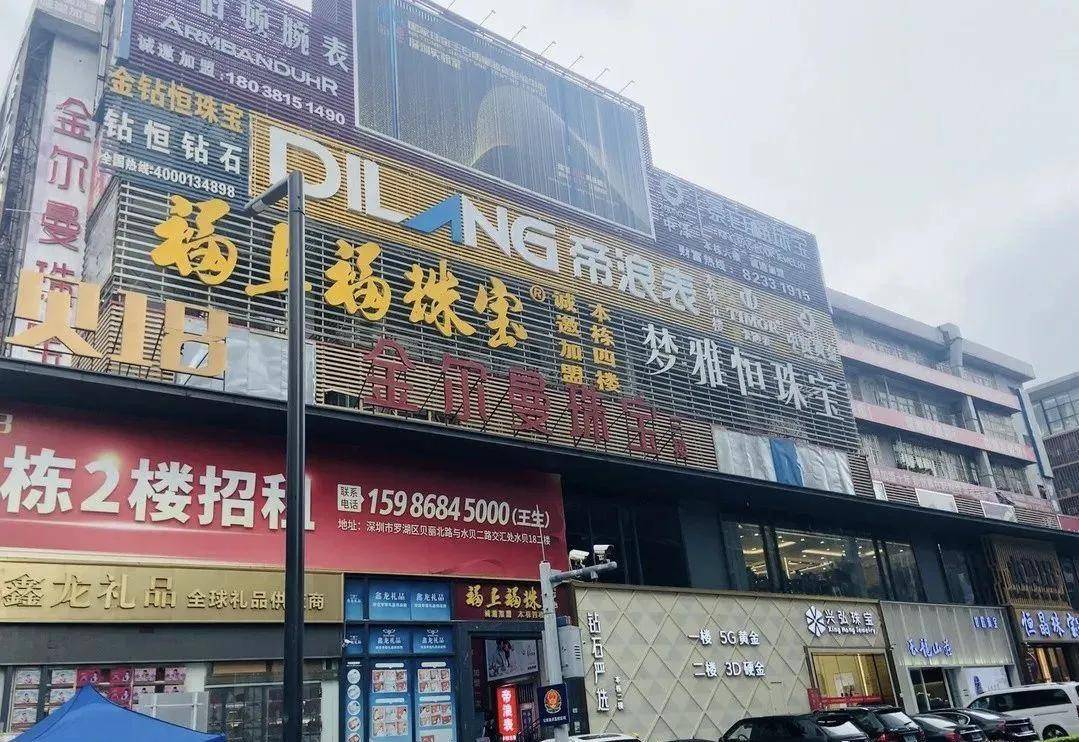
Group 1 - The core viewpoint of the article highlights the paradox of rising metal prices, particularly gold, while simultaneously revealing systemic risks in the market, exemplified by the recent collapse of a jewelry company in Shenzhen [1][5][12] - The Shenzhen-based jewelry company, Shenzhen Jie Wo Rui Jewelry Co., has reported severe operational abnormalities, with unpaid funds exceeding 13.3 billion yuan, affecting multiple provinces [3][10] - The market sentiment has shifted from cautious observation to frenzied speculation, leading to a rush for investments in metals, despite the underlying risks [1][12] Group 2 - Jie Wo Rui, established in 2014, is a well-known player in the gold raw material trading sector, with a traditional business model of sourcing and recycling precious metals [6][8] - The company has built a high level of trust over the years, which has ironically contributed to the current crisis as it faced liquidity issues amid rising gold prices [8][12] - The operational failure is attributed to three dangerous gray market practices, including betting against gold prices, delaying deliveries, and using high leverage in financial transactions [12][13][16] Group 3 - The article discusses the transformation of the Water Bay area from a legitimate industrial base into a financial gambling hub, driven by the pressures of rising costs and intense competition [20][21] - The current market environment poses significant risks, especially if gold prices experience a normal correction, which could lead to catastrophic losses for highly leveraged investors [22][27] - The article concludes that for ordinary investors, the safest strategy is often the simplest one: avoiding complex investments in a high-risk environment [23][29]
1克黄金竟能打造一张完整黄金婚书
Xin Lang Cai Jing· 2026-01-28 04:24
Group 1 - The article highlights the remarkable malleability of gold, suggesting that even a small amount, such as one gram, can be transformed into a complete gold wedding ring [2] - The content emphasizes the surprising capabilities of gold in terms of its physical properties, particularly its ability to be shaped and extended [1] Group 2 - The article mentions the specific example of one gram of gold being sufficient to create an entire wedding ring, showcasing the efficiency of gold usage in jewelry making [2]
金价要变天?欧洲宣布突破黄金量产技术,每秒产生8.9万金原子
Sou Hu Cai Jing· 2026-01-24 09:53
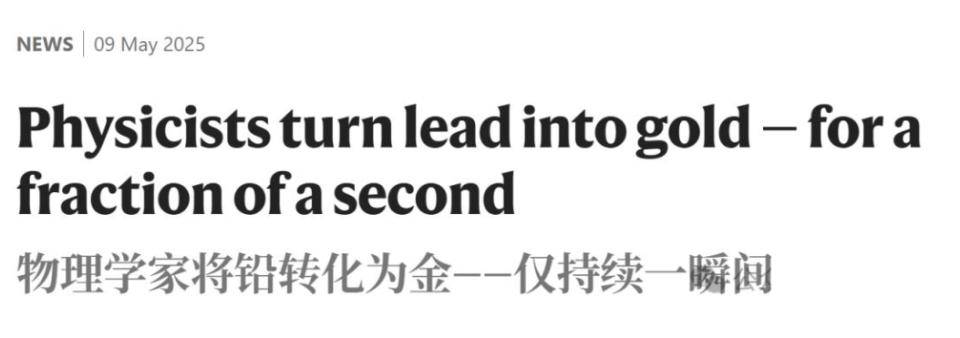
Group 1 - The European Organization for Nuclear Research has reported the generation of at least 86 billion gold atoms during experiments, equivalent to approximately 89,000 gold atoms per second [1] - The process involves transforming lead atoms into gold by removing three protons and corresponding neutrons under extreme conditions, although the resulting gold atoms exist only at the subatomic scale and have a very short lifespan [2][3] - The advancements in particle collider technology, particularly with China's Circular Electron-Positron Collider (CEPC), may lead to potential industrial applications of such theoretical results in the future [2][4] Group 2 - The historical context of diamonds, which started as a laboratory product with high costs and limited use, parallels the current situation with gold, suggesting a possible future for gold production [4] - If gold can be produced on a larger scale, it could significantly alter the pricing structure and market dynamics, similar to the changes observed in the diamond market [5][7] - The rise in diamond production has shifted consumer perceptions, with a growing preference for transparency and traceability in purchasing, leading to new aesthetic trends in luxury items [9][11]
贬值99%!钻石跌穿底,黄金涨上天
Jin Tou Wang· 2026-01-22 09:48
Group 1 - The value of diamonds has significantly depreciated, with a reported 99% drop in resale value over the past decade, exemplified by a diamond ring purchased for 18,000 yuan now worth only 180 yuan [1][2] - In contrast, gold prices have surged over 400% during the same period, with the price per gram increasing from 290 yuan to 1,456 yuan, indicating a substantial investment return for gold compared to diamonds [1][2] - The diamond market has been experiencing a decline in both sales and prices, with certified diamond prices dropping by 35% to 40% in the past year, particularly affecting diamonds between 0.5 to 3 carats, which saw a 30% to 35% decrease in sales [1][2] Group 2 - De Beers, a major player in the diamond industry, has been forced to reduce prices significantly, with a 40% price drop on mainstream 2-4 carat diamonds since 2022, and an additional 10% reduction expected in early 2024 [2] - The company reported a loss of 1.3 billion yuan in the first half of the previous year and is facing a surplus of 14 billion yuan worth of unsold diamonds, indicating a severe imbalance between supply and demand [2] - The rise of synthetic diamonds, particularly from Henan, has contributed to the decline of natural diamond sales, with synthetic diamonds being produced at a fraction of the cost and accounting for 63% of global production by 2024 [2] Group 3 - The price of gold has reached historical highs, surpassing 4,800 USD per ounce, with a year-on-year increase of 80%, reflecting strong industrial demand and its role as a hedge against currency risks [3] - Domestic gold jewelry prices are approaching 1,500 yuan per gram, with significant increases noted among major brands, indicating a robust market for gold compared to the struggling diamond sector [3] - The overall demand for metals, including silver and copper, has surged, with silver prices increasing by 230% since early 2025, highlighting the industrial utility of these materials compared to diamonds [3] Group 4 - The decline of diamonds serves as a lesson in economics, illustrating that prices based on perceived value rather than intrinsic utility can collapse when demand wanes [4] - For businesses, reliance on brand narratives without real value creation can lead to price instability, while consumers are reminded that assets lacking cash flow or industrial use may ultimately be liabilities [5] - The market's ability to expose bubbles and elevate true scarcity reinforces the importance of genuine demand in determining asset value [5]
让买黄金更放心!《黄金金贴》团标发布
Sou Hu Cai Jing· 2026-01-20 02:06
Core Viewpoint - The release of the "Gold Sticker" group standard by the China Jewelry and Jade Association marks a significant step in regulating the emerging lightweight gold products market, reflecting the industry's self-correction and healthy growth in response to new consumer demands [1][2]. Group 1: Market Trends - The lightweight gold products, characterized by low weight and innovative designs, are rapidly gaining popularity among younger consumers, who view them as affordable luxury items [1][3]. - The market is experiencing structural changes, with younger consumers driving demand for diverse product forms, including phone stickers and keychain accessories, which are integrated into daily life and cultural celebrations [3][4]. - The rise in gold prices has led to a shift towards "de-investment" and "de-ceremonialization" in gold consumption, with lightweight products serving as a response to price sensitivity [3][4]. Group 2: Standardization and Regulation - The "Gold Sticker" standard is the first specialized regulation for gold sticker products in China, addressing existing market chaos and reflecting a shift from material value to design and rules [2][5]. - The standard aims to protect consumer rights, ensure product quality, and guide industry upgrades by providing clear definitions and performance criteria for lightweight gold products [5][6]. - Current issues in the market include non-compliance with gold content standards and misleading marketing practices, which the new standard seeks to rectify [3][6]. Group 3: Industry Impact - The standard is designed to elevate industry standards, enabling fair competition and protecting consumers from misleading practices, thus fostering a healthier market environment [7][8]. - It is expected to have a cascading effect on design, processing, and branding within the industry, reducing communication costs and quality disputes among businesses [7][8]. - The implementation of the standard will enhance consumer trust and expand market demand, as compliant products will carry a quality endorsement [7][8]. Group 4: Future Outlook - The long-term trend for lightweight gold products is clear, with expectations for more personalized designs and stricter quality standards as consumer purchasing power and cultural demands evolve [8][9]. - The China Jewelry and Jade Association plans to promote the standard through training, certification support, and feedback mechanisms to ensure its practical application in the industry [9].
2025欧洲股市盘点:银行股荣膺“年度王牌”,国防与矿业共筑赢家阵营
智通财经网· 2025-12-30 08:01
Group 1: European Stock Market Performance - The European stock market has seen a strong upward trend, driven by a bull market in commodities and increased defense spending, with the Stoxx 600 index rising 16% this year, surpassing the S&P 500 in USD terms [1] - Bank stocks have led the market rally, surging 65%, potentially marking the largest annual gain since 1997, supported by strong earnings and shareholder returns [1] - Analysts suggest that the European stock market has favorable factors for the coming year, including lower exposure to potential tech stock bubbles that have driven Wall Street [1] Group 2: Banking Sector - The banking sector has outperformed other industries, with profits soaring due to increased fees and trading income, contrary to expectations of declining earnings from lower interest rates [2] - Major banks like Santander, Société Générale, and Deutsche Bank are on track for their best year ever, supported by a favorable economic environment [2] - Analysts from JPMorgan believe European banks are in a "perfect environment" and maintain a positive outlook for the sector through 2026 [2] Group 3: Defense Sector - The defense sector has shown strong performance, driven by U.S. policies urging European nations to increase military spending, despite recent adjustments due to peace talks in Ukraine [3] - Companies like Babcock International Group and Rheinmetall have achieved record highs, with significant stock price increases [3] - Analysts expect that detailed national defense budgets in 2026 will boost order momentum and earnings expectations [3] Group 4: Mining Sector - Mining stocks have performed exceptionally well, driven by geopolitical concerns increasing demand for precious metals and rising copper prices due to electrification needs [3] - Fresnillo Plc has seen a fivefold increase in stock price, making it the best performer in the FTSE 100 index for 2025 [3] Group 5: Underperforming Companies - Pandora has faced significant challenges, with a 47% drop in stock price due to rising silver costs and macroeconomic uncertainties affecting consumer spending [4][5] - Puma's stock has plummeted 50%, marking one of its worst years ever, attributed to disappointing earnings and increased competition [6] - The automotive and chemical sectors have experienced consecutive declines, with manufacturers facing weak demand and rising costs due to tariffs [7] - WPP has become the worst-performing stock in the Stoxx 600 index, grappling with CEO departures and concerns over AI impacting the advertising industry [8]
专精特新筑基,双轨战略破局:西普尼(02583)利润倍增的科技消费升级之路
智通财经网· 2025-12-29 08:40
Core Viewpoint - The company, Shenzhen Xipuni Precision Technology Co., Ltd., has announced a positive profit forecast for 2025, projecting a net profit exceeding RMB 90 million, significantly higher than the approximately RMB 49 million in 2024, indicating a transformation in its financial fundamentals and a more resilient growth trajectory [1][12] Group 1: Profit Growth Drivers - The profit growth is attributed to two main factors: an increase in jewelry sales revenue and an improvement in the gross margin of watch sales [1] - The company has shifted its growth drivers from reliance on gold prices and single product categories to a more sustainable and controllable endogenous growth model through structural optimization [2] Group 2: Strategic Business Model - Xipuni's dual-track model of "Own Brand (OBM) and Design Manufacturing (ODM)" has proven to be resilient and strategically flexible, maximizing manufacturing capabilities and diversifying market risks [4] - The OBM segment, centered around the brand "Xipuni (HIPINE)," has strengthened the company's value moat through continuous brand building and partnerships, enhancing brand premium and supporting improved gross margins [4][5] Group 3: Cost Optimization and Product Innovation - The enhancement of gross margins in watch sales reflects improved product value, brand premium, and cost control, driven by high-end product offerings and advanced manufacturing techniques [2][3] - The company's unique gold hardening technology and efficient manufacturing processes have led to cost optimization and increased production efficiency, allowing for a reduction in the gold material cost percentage [3] Group 4: Future Growth Strategies - The company is focusing on smart technology and international expansion, having launched a smart gold watch in collaboration with Huawei, which has shown significant revenue growth potential [7] - Xipuni has successfully entered the Malaysian market, leveraging its unique product offerings to tap into cultural and consumer trends in Southeast Asia and the Middle East [7][8] Group 5: Market Positioning and Brand Enhancement - The company's successful IPO in September 2025 has significantly increased brand visibility and credibility, providing resources for strategic initiatives and enhancing consumer trust [9][10] - The brand's transition from being industry-known to publicly recognized has strengthened its market position, particularly in online sales channels, which are expected to become a new growth engine [10] Group 6: Macro Economic Context - The international gold market has experienced a significant bull market in 2025, with gold prices rising over 70%, which has reinforced consumer perception of gold as a core asset [11] - This macroeconomic environment presents both challenges and opportunities for the company, as it seeks to position its products as valuable, technology-driven consumer goods [11][12] Group 7: Conclusion - The positive profit forecast signifies a breakthrough in the company's strategic transformation from a traditional manufacturer to a technology-driven consumer goods company with a strong brand and diversified product matrix [13] - This development reflects the management's strategic foresight and execution capabilities, indicating a clear path for continued growth through innovation and market expansion [13]
“黄金理财”神话破灭 金雅福人去楼空、工程停滞
经济观察报· 2025-12-27 05:15
Core Viewpoint - The article discusses the financial troubles faced by Jinyafu Holdings, a company deeply involved in the gold industry, as it struggles with overdue payments on investment products amidst rising gold prices. Investors have reported significant delays in receiving their returns, leading to government intervention and potential legal consequences for the company [2][3]. Group 1: Company Operations and Financial Issues - Jinyafu Holdings has been unable to meet the repayment obligations for its gold investment products, with reports indicating that the total amount involved may range from 7 billion to 8 billion yuan [3]. - Despite the financial turmoil, some of Jinyafu's retail outlets, known as "smart gold stores," continue to operate, and employees are reportedly still receiving salaries [1][3]. - The company has been under investigation by local financial authorities, and several executives have been detained as part of the inquiry into the company's financial practices [2][3]. Group 2: Investor Experiences and Contracts - Investors have expressed frustration over the lack of communication regarding the repayment of their investments, which were often sold with promises of annual returns between 8% and 10% [5]. - Many investors, like one from Hubei who invested over 10 million yuan, were unaware of the risks associated with their investments, as contracts were signed without full disclosure of potential issues [5][6]. - The contracts involved complex arrangements, including agreements with third-party companies for managing the investments, which have raised concerns about the legitimacy of the operations [10]. Group 3: Company Structure and Legal Matters - Jinyafu Holdings operates over 200 subsidiaries, with its main office located in Shenzhen, but many of these locations have been found empty or inactive [12][14]. - Legal actions have been initiated against Jinyafu Holdings for unpaid wages and other financial obligations, indicating broader issues within the company's operational integrity [22]. - The company has proposed various solutions to address the financial crisis, including converting investment products into equity in a subsidiary, but these proposals have largely been rejected by investors [23].