100%NFC椰子水

Search documents
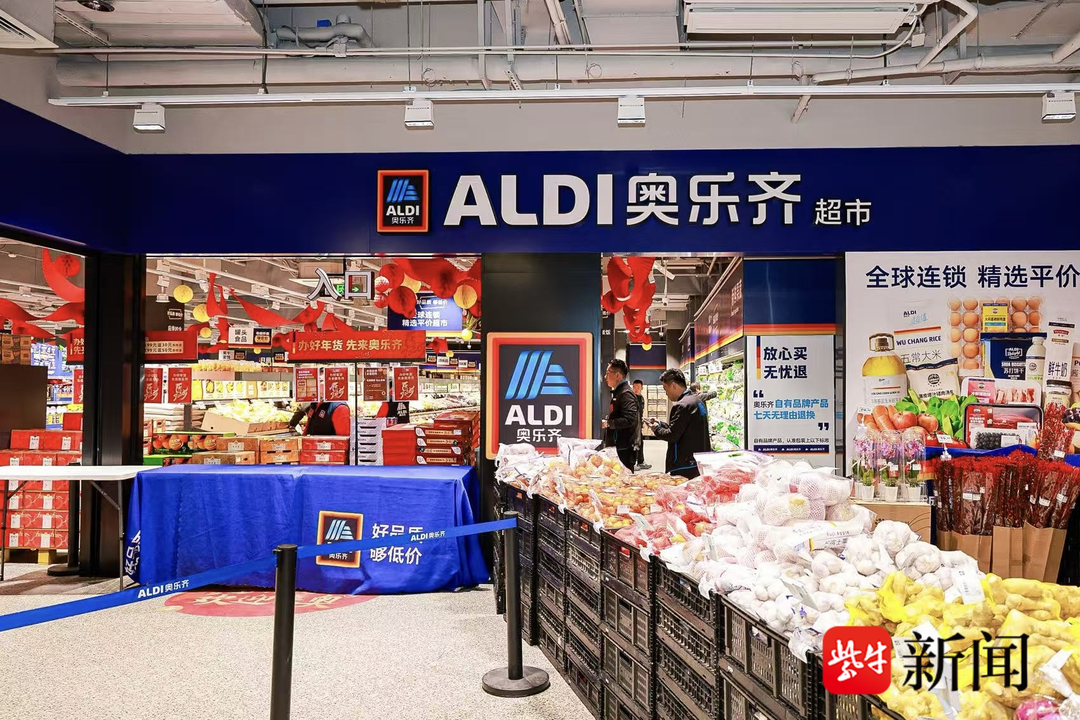
奥乐齐南京四店同步开业 “好品质够低价”引爆金陵消费热潮
Yang Zi Wan Bao Wang· 2026-01-24 07:45
Core Insights - ALDI officially entered Nanjing with the opening of four stores, marking a significant milestone in its expansion in Jiangsu and the Yangtze River Delta region [1][3][4] - The stores are strategically located in key urban areas, enhancing ALDI's service network and increasing its total number of stores in China to 95 [4] Store Openings and Promotions - The opening event attracted a large number of consumers seeking high-quality, cost-effective products, with various promotional offers to celebrate the launch [1][6] - ALDI introduced multiple limited-time opening benefits, including discounts and giveaways for new members, showcasing its commitment to providing value [6] Product Offerings - ALDI emphasizes its private label products, which account for 90% of its offerings, and introduced a diverse range of items tailored to local tastes and needs [6][8] - Special products reflecting local flavors, such as salted duck and Nanjing roast duck, were launched to cater to the preferences of Nanjing residents [8] Future Expansion Plans - ALDI plans to continue expanding in Nanjing and the broader East China region, aiming to enhance its low-cost service network and improve the shopping experience for local consumers [12]

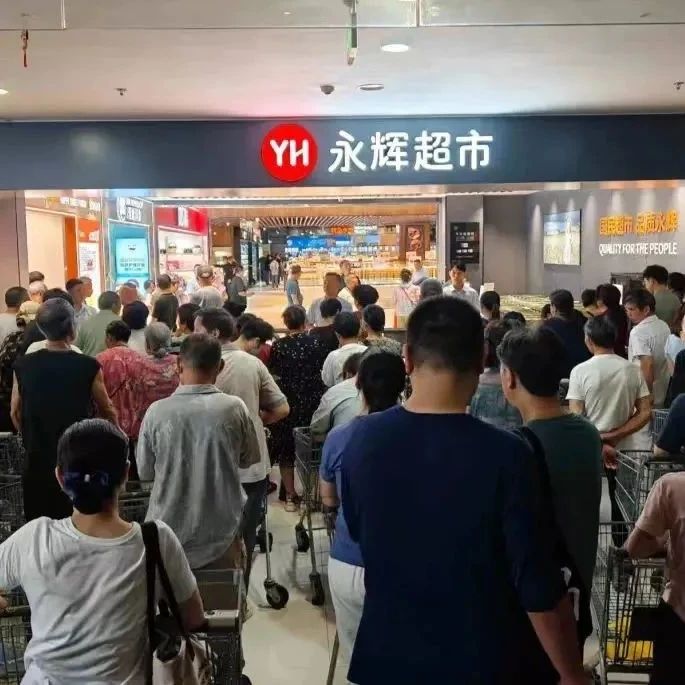
叶国富督战,400亿永辉高调反腐
21世纪经济报道· 2025-07-09 06:15
Core Viewpoint - The article discusses the significant reforms initiated by Ye Guofu at Yonghui Supermarket, focusing on anti-corruption measures and supply chain optimization to enhance retail quality and operational efficiency [1][2][3]. Group 1: Anti-Corruption Measures - Ye Guofu has publicly declared a war against corruption and hidden rules within the supply chain, emphasizing the need for transparency and integrity in supplier relationships [1][5][6]. - The reform plan targets three main areas: clean cooperation, supplier onboarding, and financial settlement, ensuring prompt payments without unnecessary delays or complications [7][10]. - Ye aims to eliminate the traditional practices that have led to corruption, such as requiring suppliers to pay various fees to enter the supermarket channel, which can create a breeding ground for corrupt practices [6][8]. Group 2: Supply Chain Optimization - Under Ye's leadership, Yonghui is focusing on core suppliers by adopting a direct procurement model, reducing intermediaries, and cutting unnecessary costs [11][12]. - The strategy involves retaining only 200 core suppliers to ensure quality and reliability, with Ye personally overseeing these relationships [14][20]. - Yonghui plans to develop 100 billion-level products in collaboration with suppliers over the next three years, aiming for self-branded products to account for 40% of total sales in 3-5 years [24][30]. Group 3: Organizational Restructuring - Ye has initiated a significant restructuring of the internal team, with a shift in board composition and management roles, replacing several long-standing members with new talent from Miniso [16][18]. - The organizational structure is being simplified from a four-tier to a three-tier system to enhance efficiency [27]. - Ye's reform also includes closing underperforming stores, with an estimated 250-350 closures planned for the year [28][32]. Group 4: Performance and Future Outlook - The article notes that Yonghui has begun to see positive changes, with a reported profit of 74.72 million yuan from 41 remodeled stores in the first quarter [30]. - The company is optimistic about its recovery, projecting that by the end of September, 200 remodeled stores will significantly boost overall performance [31][34]. - Despite a loss of 1.465 billion yuan in 2024 and a nearly 20% decrease in revenue in the first quarter, the management believes the reforms will lead to a turnaround [32][33].