3D打印小摆件

Search documents
飞入寻常百姓家的3D打印,正在制造一批新老板
经济观察报· 2026-02-15 07:28
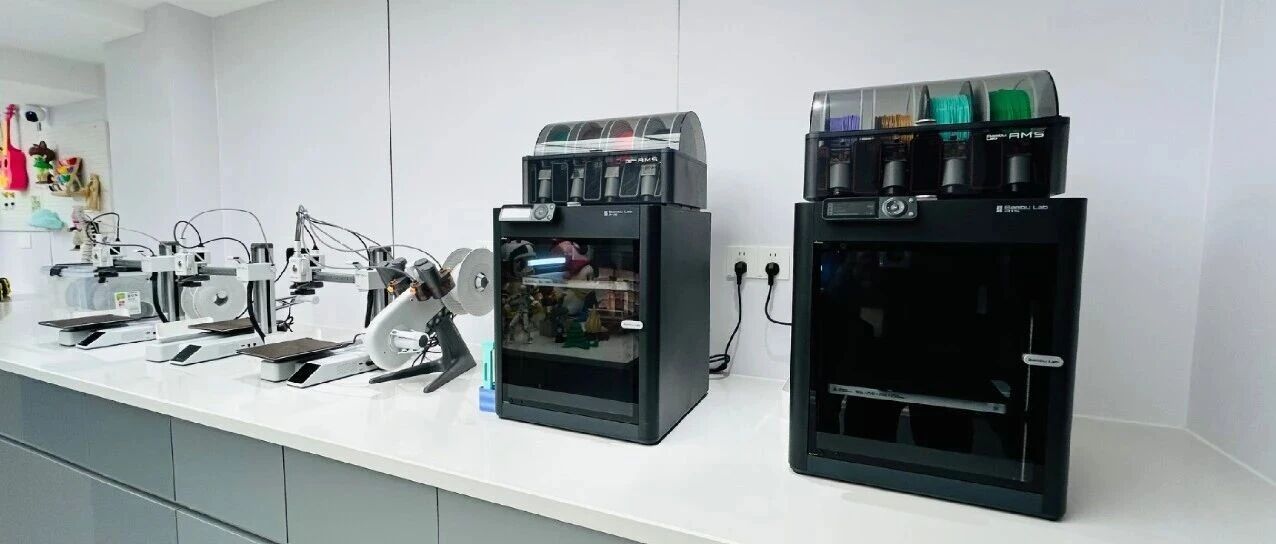
Core Viewpoint - 3D printing significantly lowers the barriers to manufacturing and experimentation, enabling ordinary people to easily participate in creation and realize small yet genuine needs [1][22]. Group 1: Consumer Adoption and Market Trends - As the Spring Festival approaches, many users share their experiences of using home 3D printers to create traditional decorations, indicating a shift from industrial use to consumer applications [2]. - The opening of the first consumer-oriented 3D printing experience store in Changsha, Hunan, attracted unexpected foot traffic, demonstrating growing public interest in 3D printing [4][5]. - The store's design and layout were influenced by existing 3D printing stores, focusing on unique products to differentiate from mass-produced items [6][7]. Group 2: Business Model and Revenue Streams - The store's revenue is derived from two main sources: 3D printing services including modeling design and training for students, with a revenue split of 60% and 40% respectively [9]. - The initial investment for the store included 11 3D printers costing under 40,000 yuan, with additional expenses for materials and renovations, leading to a revenue of over 6,000 yuan within two weeks of operation [8]. Group 3: Technological Advancements and Industry Development - The domestic consumer-grade 3D printing industry has developed a complete supply chain, with leading manufacturers focusing on ease of use and intelligence to make 3D printing accessible to the general public [13]. - Companies like拓竹科技 have introduced smart features in their printers, significantly improving user experience and reducing the complexity of 3D printing [14]. Group 4: New Business Models and Opportunities - The emergence of "3D printing farms" in China represents a new business model, allowing for mass production through a network of printers, enhancing efficiency and flexibility in manufacturing [16]. - 3D printing is also being integrated into various industries, enabling personalized solutions to meet specific consumer needs, as demonstrated by entrepreneurs like 杨峰 who leverage 3D printing to create customized storage solutions [20][21].