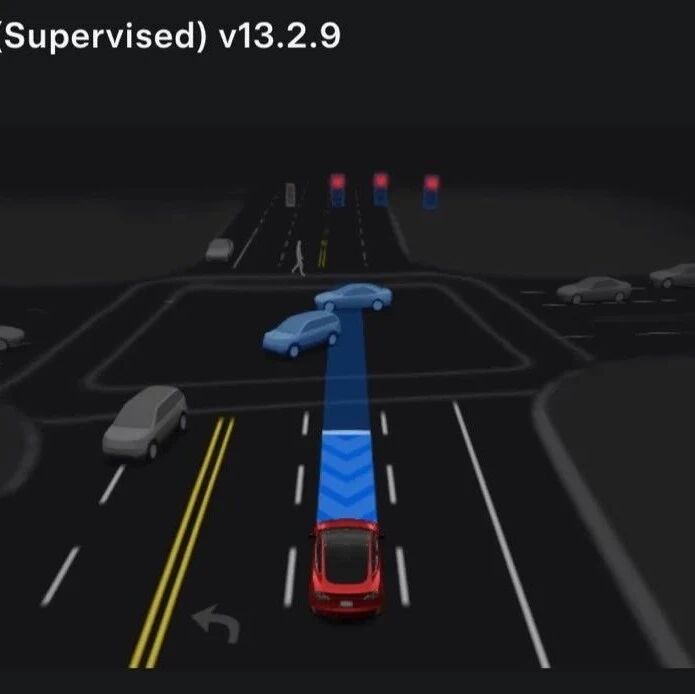
3DGS理论与算法实战教程

Search documents
摸底GS重建在自动驾驶业内的岗位需求
自动驾驶之心· 2026-01-24 02:55
Core Viewpoint - The article discusses the growing demand for algorithm teams in the field of 3DGS (3D Gaussian Splatting) for autonomous driving, highlighting the need for skilled professionals and the development of a comprehensive training course to address this gap [2][3]. Group 1: Industry Demand and Job Roles - Companies are looking to invest in headcount (HC) for testing and closed-loop simulation in the autonomous driving sector, indicating a clear need for algorithm teams ranging from 5 to 20 members to support optimization in closed-loop simulations [2][3]. - The demand for cloud data production is also noted, particularly for static road surface reconstruction, which requires a minimum team size of around 10 people to meet basic functional needs [3]. Group 2: 3DGS Development and Learning Path - The article outlines a structured learning path for 3DGS, starting from static reconstruction to dynamic reconstruction and surface reconstruction, culminating in mixed scene reconstruction and feed-forward GS [3]. - A course titled "3DGS Theory and Algorithm Practical Tutorial" has been developed to provide a detailed roadmap for understanding 3DGS technology, covering principles and practical applications [3]. Group 3: Course Structure and Content - The course consists of six chapters, covering topics such as background knowledge, principles and algorithms of 3DGS, technical explanations for autonomous driving, important research directions, and feed-forward 3DGS [6][8][9][10][11][12]. - Each chapter is designed to build upon the previous one, ensuring a comprehensive understanding of 3DGS and its applications in the industry [8][9][10][11][12]. Group 4: Target Audience and Prerequisites - The course is aimed at individuals with a background in computer graphics, visual reconstruction, and related technologies, as well as those familiar with Python and PyTorch [17]. - Participants are expected to have a foundational understanding of probability theory and linear algebra, which are essential for mastering the 3DGS technology stack [17].

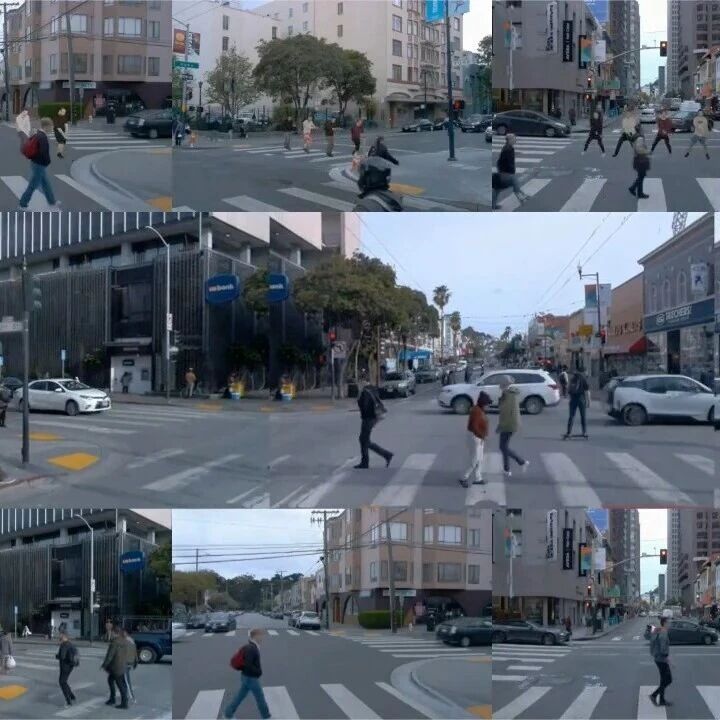
为什么前馈GS引起业内这么大的讨论?
自动驾驶之心· 2025-12-28 09:23
Core Viewpoint - The article emphasizes the significance of the development of 3D Gaussian Splatting (3DGS) in the field of autonomous driving, highlighting its potential to enhance simulation capabilities and improve the efficiency of scene reconstruction [2][3]. Group 1: Development and Importance of 3DGS - The introduction of 3D Gaussian Splatting (3DGS) is seen as a major advancement, with Tesla's recent sharing indicating a shift towards end-to-end and generative approaches in autonomous driving [2]. - The evolution of 3DGS is outlined as a progression from static reconstruction to dynamic and mixed scene reconstruction, culminating in the feed-forward GS approach [3]. Group 2: Course Overview and Structure - A comprehensive course on 3DGS has been developed, covering theoretical foundations and practical applications, designed to aid beginners in understanding the complexities of the technology [3][8]. - The course is structured into six chapters, each focusing on different aspects of 3DGS, including background knowledge, principles and algorithms, and important research directions [8][9][10][11][12]. Group 3: Technical Highlights - Key features of the 3DGS approach include a unified network architecture that enhances training, inference, and testing, achieving real-time performance at a hundred milliseconds level [6]. - The integration of world models with 3DGS allows for improved closed-loop simulation capabilities, combining generation and reconstruction [6]. Group 4: Target Audience and Learning Outcomes - The course is aimed at individuals with a foundational understanding of computer graphics, visual reconstruction, and programming, providing them with the skills necessary for careers in both academia and industry [17]. - Participants will gain a thorough understanding of 3DGS theory, algorithm development frameworks, and the ability to engage with peers in the field [17].
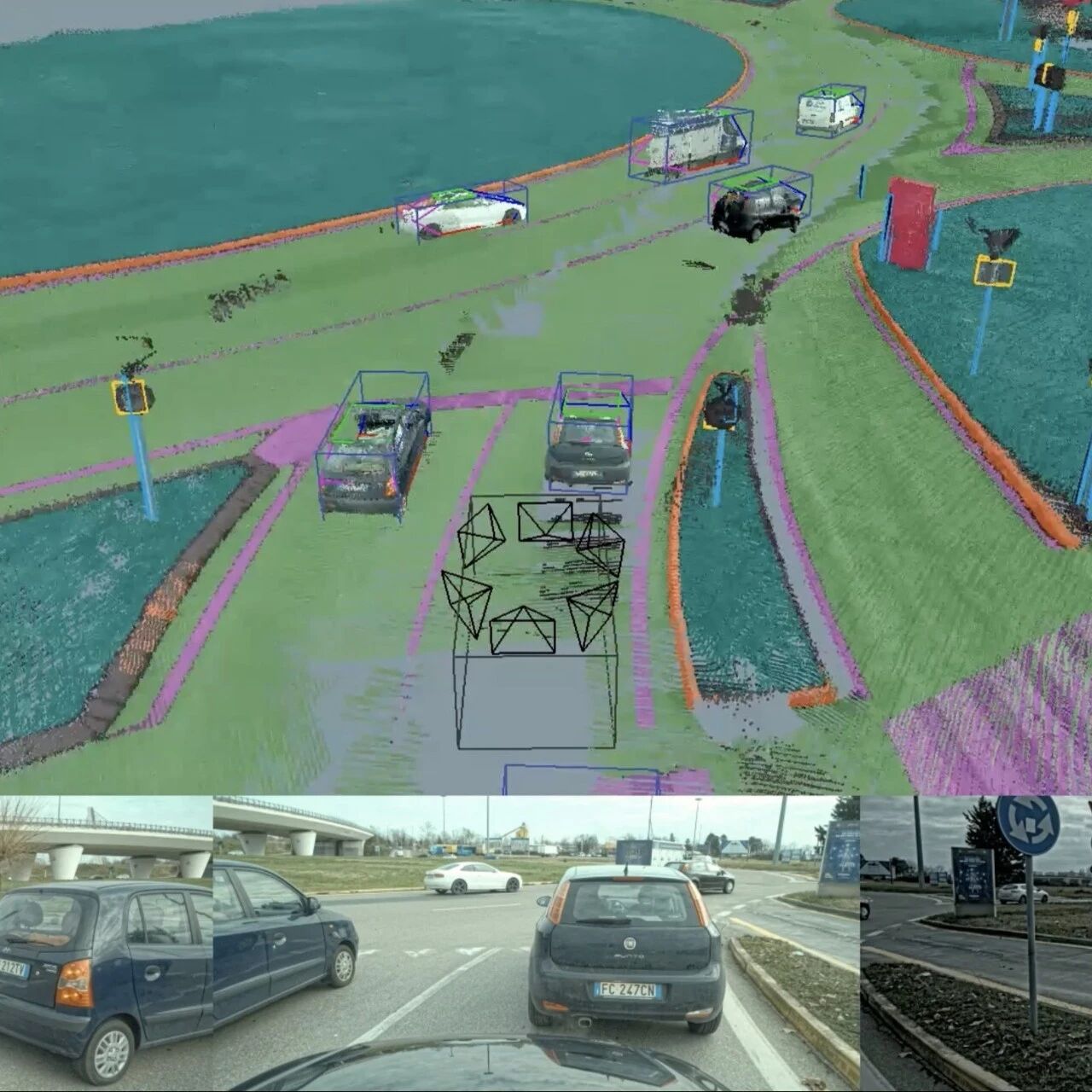
最近Feed-forward GS的工作爆发了
自动驾驶之心· 2025-12-22 00:42
Core Viewpoint - The article discusses the advancements in 3D Gaussian Splatting (3DGS) technology in the autonomous driving sector, highlighting the introduction of feed-forward GS algorithms and the need for effective learning pathways for newcomers in the field [2][4]. Group 1: Course Overview - A new course titled "3DGS Theory and Algorithm Practical Tutorial" has been developed to provide a comprehensive learning roadmap for 3DGS technology, covering both theoretical and practical aspects [4]. - The course is designed to help participants understand point cloud processing, deep learning theories, real-time rendering, and coding practices [4]. Group 2: Course Structure - The course consists of six chapters, starting with foundational knowledge in computer graphics and moving through the principles and algorithms of 3DGS, including dynamic and surface reconstruction [8][9]. - The third chapter focuses on the application of 3DGS in autonomous driving simulation, providing insights into key works and tools used in the industry [10]. - Subsequent chapters explore important research directions in 3DGS, including COLMAP extensions and depth estimation, as well as the emerging feed-forward 3DGS techniques [11][12]. Group 3: Target Audience and Requirements - The course is aimed at individuals with a background in computer graphics, visual reconstruction, and programming, specifically those familiar with Python and PyTorch [17]. - Participants are expected to have access to a GPU with a recommended capability of 4090 or higher to effectively engage with the course content [17].
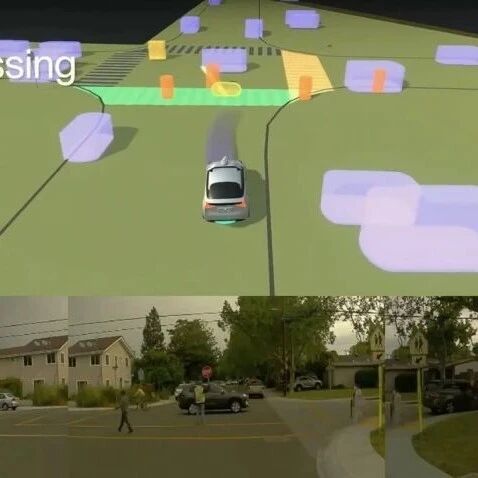
最近Feed-forward GS的工作爆发了
自动驾驶之心· 2025-12-10 00:04
Core Viewpoint - The article emphasizes the rapid advancements in 3D Gaussian Splatting (3DGS) technology within the autonomous driving sector, highlighting the need for structured learning pathways for newcomers in the field [2][4]. Group 1: Technology Highlights - Tesla's introduction of 3D Gaussian Splatting at ICCV has garnered significant attention, indicating a shift towards feed-forward GS algorithms for scene reconstruction [2]. - The iterative development of 3DGS technology includes static 3D reconstruction, dynamic 4D reconstruction, and surface reconstruction, showcasing its evolving nature [4]. Group 2: Course Offering - A comprehensive course titled "3DGS Theory and Algorithm Practical Tutorial" has been designed to provide a structured learning roadmap for 3DGS, covering both theoretical foundations and practical applications [4]. - The course will be taught by an expert with extensive experience in 3D reconstruction and algorithm development, ensuring high-quality instruction [5]. Group 3: Course Structure - The course consists of six chapters, starting with foundational knowledge in computer graphics and progressing through principles, algorithms, and specific applications in autonomous driving [8][9][10][11][12]. - Each chapter is designed to build upon the previous one, culminating in discussions about current industry needs and research directions in 3DGS [11][12][13]. Group 4: Target Audience and Prerequisites - The course is aimed at individuals with a background in computer graphics, visual reconstruction, and programming, particularly those interested in pursuing careers in the autonomous driving industry [17]. - Participants are expected to have a foundational understanding of relevant mathematical concepts and programming languages, which will facilitate their learning experience [17].