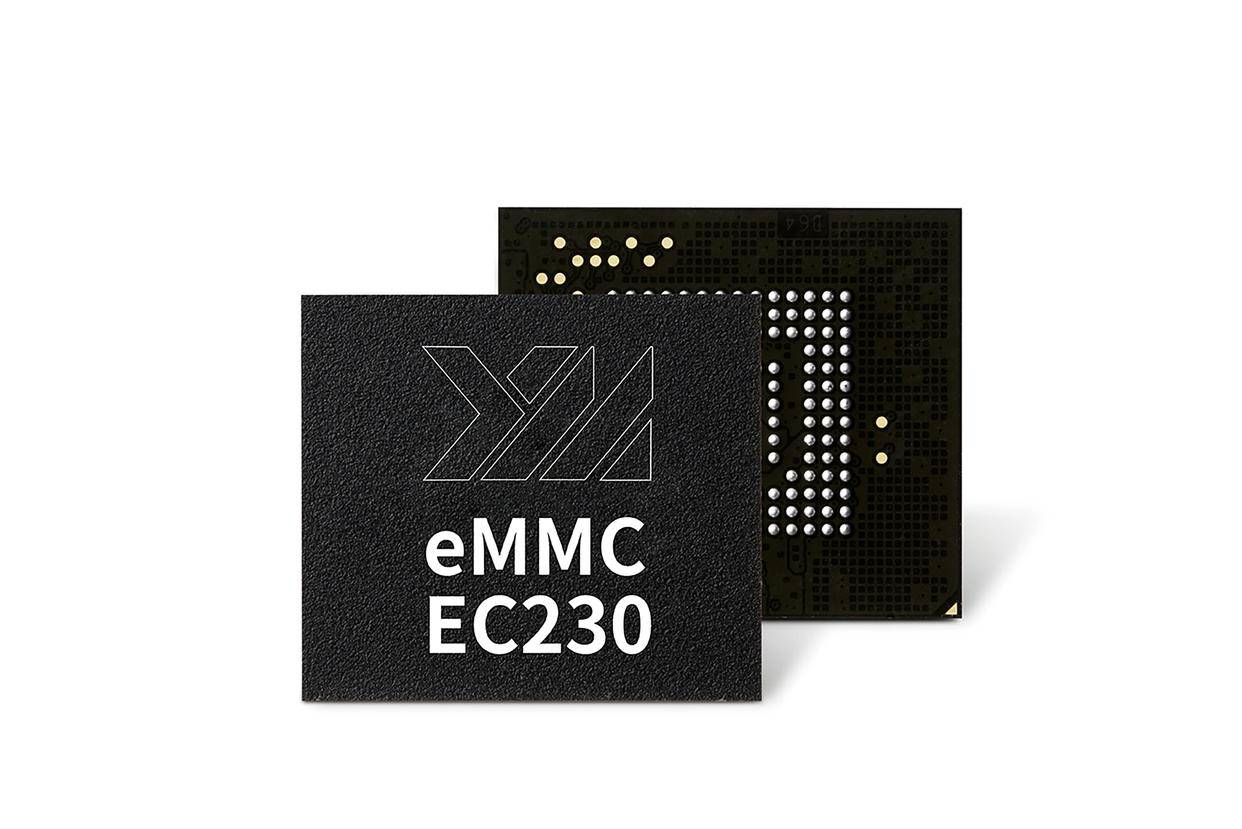
8GB eMMC存储芯片

Search documents
群联CEO预警:存储短缺预计持续5年 大量消费电子企业或将倒闭
Sou Hu Cai Jing· 2026-02-18 07:07
Core Viewpoint - The storage chip supply crisis driven by AI is expected to last until 2030, with significant impacts on consumer electronics manufacturers by the end of 2026, leading to potential production halts and company closures [1] Group 1: Market Dynamics - The NAND Flash and DRAM markets have shifted to a "seller's market," creating a challenging environment for manufacturers [1] - Some manufacturers are requiring customers to prepay for three years of cash payments to secure capacity allocation, a first in the semiconductor industry [1] - The price of 8GB eMMC storage chips has surged from $1.5 at the beginning of 2025 to $20, an increase of over 1200%, with automotive-grade products nearing $30 [1] Group 2: Impact on Consumer Electronics - Global smartphone production is predicted to decline by 200 to 250 million units in 2026, with significant drops in PC and TV shipments as well [2] - Mid to low-end brands may exit the market, while surviving companies will extend product lifecycles, opting for repairs over replacements [2] Group 3: Supply Chain Challenges - The supply-side "double bind" includes cautious expansion by storage manufacturers following significant losses from 2020 to 2024 [2] - The ramp-up period for new 3D NAND technology, which has surpassed 300 layers, is lengthy, taking 18 to 24 months, with new wafer fabs not expected to be operational until 2027-2028 [2] Group 4: Potential Opportunities - There is potential for growth in demand from China's cloud, ground, and education sectors, which could exacerbate the supply gap but also accelerate domestic alternatives [2] - Companies like Yangtze Memory Technologies and ChangXin Memory are making technological progress, providing some buffer for the supply chain, although they cannot fill the global supply gap of 10% to 20% in the short term [2]