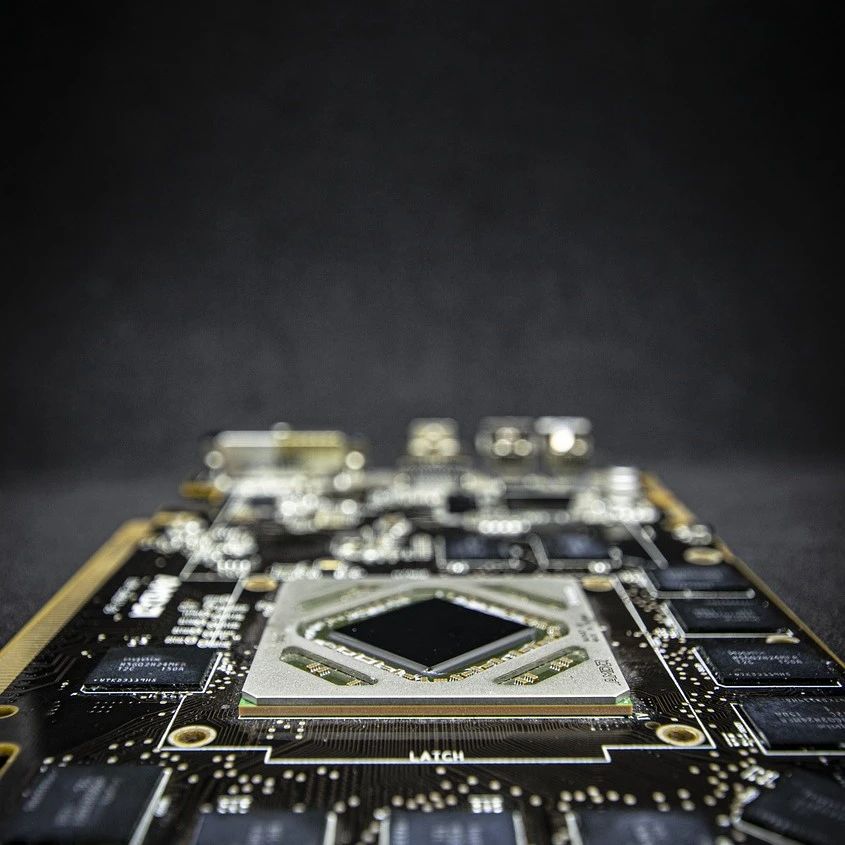
90纳米芯片

Search documents
印度首颗芯片,终于来了,28nm工艺
半导体行业观察· 2025-06-12 00:42
Core Viewpoint - India is set to launch its first domestically produced semiconductor chip by mid-2025, marking a significant milestone in its semiconductor manufacturing journey, despite the technology being based on 28nm and 90nm nodes, which are considered outdated compared to global standards [1][2][5]. Group 1: Semiconductor Production - The Indian government has confirmed that chips based on 28nm and 90nm technology will begin production this year, representing a leap for the country, which has historically struggled with chip manufacturing [1][2]. - The introduction of these chips is not just about technology but also about establishing credibility in the semiconductor industry, as India transitions from merely outsourcing to actual production [1][3]. Group 2: Market Context - The 28nm process node is still widely used in various electronic products, including automotive and industrial applications, indicating that India's entry into this market is strategically important for diversifying supply chains away from China and Taiwan [2][3]. - The global semiconductor landscape is competitive, with significant investments from the U.S. and the EU, highlighting the urgency for India to establish its presence in this critical sector [3][4]. Group 3: Strategic Implications - The production of these chips signifies a shift towards digital independence for India, as it moves from reliance on imports to developing its own semiconductor capabilities [4][5]. - This initiative is not merely symbolic; it represents a functional turning point for India, as it builds the necessary infrastructure and talent to support semiconductor manufacturing [3][5].

印度首颗芯片,终于来了,28nm工艺
半导体行业观察· 2025-06-12 00:41
Core Viewpoint - India is set to launch its first domestically produced semiconductor chip by mid-2025, marking a significant milestone in its semiconductor manufacturing journey, despite the technology being based on 28nm and 90nm nodes, which are considered outdated compared to global standards [1][2][4]. Group 1: Semiconductor Development - The introduction of 28nm and 90nm chips is not aimed at competing with leading manufacturers but rather at establishing a foothold in the semiconductor industry [2][4]. - The Indian government is actively supporting semiconductor parks and attracting global investments, indicating a shift from mere promotional activities to actual production [2][3]. - The chips are being tested and will be mass-produced once validated, representing a genuine product rather than just prototypes [2][4]. Group 2: Strategic Importance - The production of these chips signifies India's move towards self-reliance in semiconductor manufacturing, reducing dependency on imports and enhancing national sovereignty [3][4][5]. - The initiative is not just about producing chips but also about building infrastructure, talent, and political will to support the semiconductor industry [4][5]. - The launch of the 28nm process is seen as a foundational step towards addressing global chip shortages and geopolitical challenges [4][5]. Group 3: Long-term Vision - This development is viewed as a long-term strategy for India to secure a place in the semiconductor manufacturing landscape, moving beyond software development to hardware production [5]. - The significance of the 28nm process lies in its potential to drive various electronic products, from automotive to industrial applications, thus integrating India into the global supply chain [2][4].