
AI个性化学习系统

Search documents
AI技术赋能“教、学、管”,打造智慧教育新生态
Nan Fang Du Shi Bao· 2025-12-29 23:14
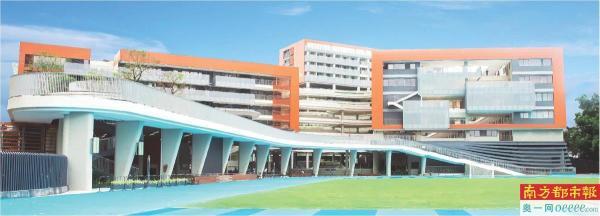
Core Viewpoint - The integration of artificial intelligence (AI) technology in education is transforming teaching and learning processes, with Shenzhen's Hongling Experimental School exemplifying a successful model of AI-driven smart education [4][12]. Group 1: Infrastructure and Design - The school has invested significantly in building a robust infrastructure to support AI integration, including a 10-gigabit fiber backbone and Wi-Fi 6 coverage for real-time data transmission [5]. - Core platforms such as the "Hongling Wisdom Model Platform" and "AI Smart Campus Management Platform" have been developed to eliminate data silos and enhance educational data integration [5][6]. Group 2: Curriculum and Learning Environment - A comprehensive AI curriculum has been established, including general AI courses and specialized programs for gifted students, fostering a layered approach to AI literacy [6]. - The school has created various themed learning spaces to facilitate hands-on AI learning experiences, enhancing accessibility to intelligent technologies [6]. Group 3: Teaching and Learning Transformation - AI has significantly improved teaching efficiency, reducing lesson preparation time by an average of 30% and increasing classroom interaction by approximately 35% [9]. - The school promotes project-based learning using AI tools, which enhances critical thinking and innovation skills among students [8]. Group 4: Personalized Learning - An AI-driven personalized learning system collects and analyzes student data to create dynamic learning profiles, enabling tailored educational resources and pathways [9]. - The school emphasizes individualized learning experiences, allowing for a "one student, one plan" approach to education [9]. Group 5: Governance and Management - AI technology is integrated into campus governance, enhancing safety and operational efficiency through systems like AI security and data dashboards for real-time management insights [11]. - The school encourages faculty and students to co-create smart applications for campus management, fostering a participatory governance model [11]. Group 6: Future Vision and Impact - The school is focused on long-term talent development, planning a comprehensive AI education pathway from elementary to high school [12]. - The "Hongling Wisdom Education Model" has gained recognition and serves as a reference for other institutions, contributing to the broader AI education ecosystem [13].

人工智能将像水和电一样服务每个消费场景
Xiao Fei Ri Bao Wang· 2025-08-05 03:08
Group 1 - The release of the "Emerging Technology Selection List for Artificial Intelligence" by the Chinese Academy of Engineering signifies a transformative shift in consumer behavior and technology integration, showcasing the rapid adoption of AI in daily life [1][2] - The list highlights 12 key AI technologies that are expected to drive consumer upgrades, including intelligent robots for household tasks and smart logistics systems utilizing drones for efficient delivery [1][2] - The advancements in computing power allow consumers to access cloud-based AI capabilities even with budget-friendly devices, indicating a democratization of technology [1] Group 2 - The integration of "Artificial Intelligence +" into various sectors, such as healthcare and education, is leading to significant improvements in diagnostic accuracy and personalized learning experiences [2] - Brain-computer interface technology is emerging in the medical rehabilitation field, with applications like smart prosthetics providing new opportunities for individuals with disabilities, suggesting a potential expansion into consumer electronics [2] - The ongoing research and development efforts since 2014 have resulted in 297 technologies being introduced, marking a quiet revolution in consumer technology and creating numerous opportunities for engagement and benefit for consumers [2]