智慧教育

Search documents
智慧教室为国通语教学注入新动能
Xin Lang Cai Jing· 2026-02-27 18:26
Core Viewpoint - The article highlights the significant advancements in smart education initiatives in the Keshiketeng Banner, Inner Mongolia, focusing on the integration of technology in teaching and the enhancement of language education quality through collaborative efforts between schools [1][2]. Group 1: Smart Education Initiatives - Keshiketeng Banner has invested in smart education by procuring 9,234 smart devices and establishing 170 smart classrooms, along with a cloud portal management system and a resource library of millions [1]. - The implementation of smart teaching has led to a digital transformation in education management and quality, enhancing teachers' capabilities in national common language education [1]. Group 2: Collaborative Learning and Training - Seven quality schools have been paired with seven schools that teach in ethnic languages to foster mutual learning and growth among teachers [2]. - Since 2025, nearly 100 collaborative activities have been conducted, significantly improving the quality and efficiency of national common language education [2]. Group 3: Teacher Development and Training - The Keshiketeng Banner has established a system for research staff to conduct demonstration classes and specialized lectures, resulting in 67 training and research activities for ethnic language teaching schools [2]. - Five teachers participated in a project to enhance national common language application skills and received awards, while 157 teachers attended training sessions, indicating a growing capability in language education [2].
挑战、机遇并存:AI与高等教育“接轨” 路还有多远
Zhong Guo Qing Nian Bao· 2026-02-27 01:28
Group 1 - The core discussion revolves around the integration of AI in higher education, highlighting both challenges and opportunities [1][2] - Experts emphasize that China's higher education faces significant issues, including a lack of integration in talent development and a homogeneous educational landscape [1][2] - The policy direction is clear, with initiatives like the "Education Strong Nation Construction Plan (2024-2035)" aiming to enhance the educational system and promote digital transformation [1][2] Group 2 - The 2026 National Education Work Conference marks a pivotal year for the "15th Five-Year Plan," emphasizing the importance of aligning educational goals with national strategic interests [2] - AI is reshaping the educational ecosystem, leading to systemic changes in higher education, including personalized and cross-disciplinary training [2][3] - Experts advocate for a shift from traditional educational models to innovative approaches that leverage AI for large-scale personalized teaching [5][6] Group 3 - Future educators will need to possess interdisciplinary knowledge, human-machine collaboration skills, and the ability to design learning environments that foster innovation [6][7] - The transformation in higher education is characterized by a focus on developing students' critical thinking abilities and adapting teaching methods to integrate technology effectively [6][7] - The concept of "smart education" is emerging, with the 2025 World Digital Education Conference highlighting the transition into a new phase of educational innovation [7]
长沙今年确保新增学位5万个以上
Xin Lang Cai Jing· 2026-02-26 19:41
Group 1: Education Resource Expansion - The implementation of a new round of basic education degree construction plan will add over 50,000 new degrees, with 27 new and expanded projects planned [2][3] - Key high school projects such as Changjun Middle School's new campus and Nanya Middle School's East Campus will be prioritized to ensure they are operational before the fall semester [2][3] - The expansion of special education and new city degrees will also occur, with 8 new or expanded schools for special education being established [2] Group 2: Quality and Balanced Development - Efforts will be made to promote quality educational resources to rural and underdeveloped schools, with a focus on creating nationally recognized quality balanced education districts [3] - The second phase of the county high school development enhancement action plan will be implemented to ensure high-quality education for county students [3] - Regulations for private education will be enforced while supporting its development, including establishing a funding supervision mechanism for private schools [3] Group 3: Student Health and Safety - A "health first" approach will be adopted throughout the education process, focusing on improving student physical health and reducing rates of myopia, obesity, and psychological issues [4] - Continuous development of health schools will be prioritized, with initiatives such as sports leagues and enhanced mental health education being implemented [4] - Safety measures will include the rectification of campus food services and the quality inspection of drinking water and school uniforms to ensure a safe environment for students [4]
推动人工智能赋能教育创新发展
Xin Hua Ri Bao· 2026-02-09 23:18
Core Viewpoint - The article emphasizes the importance of implementing the "Artificial Intelligence +" initiative to empower various industries and enhance education through the integration of artificial intelligence [1] Group 1: Impact of "Artificial Intelligence +" - Artificial intelligence (AI) merges technical and social attributes, facilitating the construction of an intelligent, networked, and personalized education system [2] - The shift in educational philosophy focuses on developing students' innovative capabilities, critical thinking, and collaborative skills rather than merely acquiring knowledge [2] - AI encourages the establishment of new interdisciplinary programs in higher education, optimizing talent cultivation plans to enhance digital literacy among teachers and students [2] Group 2: Enhancing AI Literacy - Improving students' AI literacy is crucial for transforming educational paradigms, requiring collaboration across disciplines to create a comprehensive learning environment [3] - Practical awareness is emphasized through initiatives like joint laboratories and industry-academia partnerships, allowing students to tackle real-world problems while enhancing their technical skills [3] - A diverse curriculum is proposed to cater to different student backgrounds, integrating AI theory and applications across various fields, including social sciences and humanities [3] Group 3: Empowering Governance in Higher Education - The development of AI creates new educational ecosystems and innovative governance models, while maintaining the core mission of education [4] - AI should be integrated into educational practices with a focus on ethical considerations, ensuring that technology serves the fundamental task of moral education [4] - Establishing a collaborative framework for technology, ethics, and law is essential to guide responsible AI use in educational settings [4] Group 4: Multi-dimensional Evaluation Systems - The integration of AI in education necessitates a shift from traditional evaluation methods to a multi-dimensional assessment of students' comprehensive qualities [5] - A robust textbook system is needed to cover various educational levels and disciplines, promoting the understanding of AI concepts and methods [5] - Encouraging collaboration among educational institutions and enhancing teacher evaluation metrics are vital for fostering a supportive environment for AI education [5][6]
广东省教育厅原厅长罗伟其69岁主动投案,曾推动随迁子女在粤高考
Xin Lang Cai Jing· 2026-02-04 08:13
Group 1 - The former Secretary of the Party Committee and Director of the Guangdong Provincial Education Department, Luo Weiqi, is under investigation for serious violations of discipline and law, having voluntarily surrendered to the authorities [1] - Luo Weiqi has a long academic and administrative career, including serving as a professor and doctoral supervisor at Jinan University, and has held various positions in the Guangdong Provincial Education Department since 2002 [2] - During his tenure, Luo Weiqi was instrumental in promoting educational reforms, including the integration of migrant workers' children into the higher education examination system in Guangdong [4] Group 2 - Luo Weiqi highlighted the significant number of migrant workers' children in Guangdong, with 4.3 million enrolled in schools, and advocated for equal participation in the college entrance examination [4] - The Guangdong Provincial Education Department implemented a three-step plan starting in 2013 to allow children of migrant workers to participate in the college entrance examination, culminating in the full opening of the examination system in 2016 [4] - In 2016, 9,570 out of 9,985 applicants from migrant workers' families were approved to take the college entrance examination in Guangdong, representing a 95.8% approval rate [4]


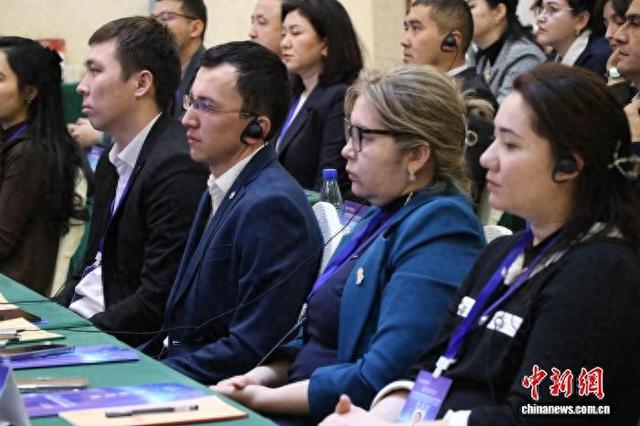
乌兹别克斯坦教师数智化能力提升研修班在新疆开班
Xin Lang Cai Jing· 2026-02-02 12:49
Group 1 - The training program for enhancing digital capabilities of teachers from Uzbekistan commenced at Xinjiang Normal University, with 43 participants including education managers and teachers [1][3] - The program focuses on cutting-edge technologies such as artificial intelligence and smart education, combining theoretical and practical training, cross-cultural interaction, and field visits to promote educational exchange and cooperation between China and Central Asian countries [1][3] - The Global Teacher Development Institute of Xinjiang Normal University plans to launch a similar training program for teachers from Kazakhstan and expand student summer camp activities to further enhance educational collaboration with Central Asian nations [1][3] Group 2 - Participants expressed optimism about the training, with a teacher from Tashkent stating that it would help utilize AI in teaching to provide better resources for the younger generation in Uzbekistan [3] - Another participant, a mathematics teacher from the presidential school in Jizzakh, hopes to learn more about integrating digital and intelligent teaching methods to improve teaching efficiency and plans to share these techniques with colleagues upon returning home [3]
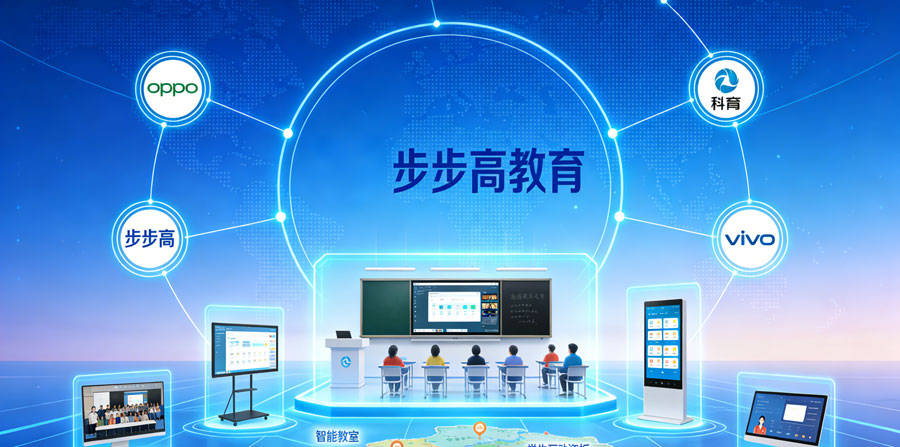
OPPO、vivo再入步步高教育:科技巨头的教育赛道重构与普惠之问
Sou Hu Cai Jing· 2026-02-01 05:48
Group 1 - The core viewpoint of the news is that OPPO and vivo have re-entered the education sector by investing in Guangdong Bubugao Education Development Co., Ltd., marking a strategic return nearly three years after their exit in 2023, reflecting a deep strategic restructuring in response to the evolving education landscape [2] - The return of OPPO and vivo aligns with the "14th Five-Year Plan" for digital economy development, which emphasizes "smart education," and the education information market is projected to exceed 600 billion yuan by 2025, driving this strategic adjustment [2] - The "withdrawal and re-entry" of OPPO and vivo indicates their sensitivity to the educational policy environment and market demand, showcasing their adaptability in the education technology field [2] Group 2 - The entry of technology companies into the education sector presents both opportunities and challenges, as the advantages of AI and big data support personalized learning and resource equity, while the strong regulatory nature of the education industry conflicts with the fast-paced culture of tech companies [3] - OPPO and vivo's advantages in lower-tier markets could potentially address the imbalance in educational resources, with vivo's offline stores covering over 200,000 towns, which could facilitate the distribution of educational tools and free online courses to rural schools [3] - The re-entry of OPPO and vivo into Bubugao Education signifies a strategic choice for technology companies seeking a second growth curve and highlights the importance of digital transformation in education, balancing commercial interests with social responsibility [3]

上海开放大学与上海仪电达成战略合作
Xin Lang Cai Jing· 2026-01-31 14:19
Core Viewpoint - The strategic cooperation between Shanghai Open University and Shanghai Yidian Group aims to enhance education and industry integration, focusing on smart campuses and high-quality talent cultivation [1] Group 1: Strategic Cooperation - Shanghai Open University and Shanghai Yidian Group have signed a framework agreement for industry-education integration [1] - The collaboration will focus on areas such as smart campus development, digital open university initiatives, curriculum reform, and high-quality technical talent training [1] Group 2: Goals and Objectives - The partnership is seen as a necessary response to contemporary demands and aims to support the city's strategic development [1] - Both parties intend to create a model for open education and explore new collaborative innovation paths in smart education [1] Group 3: Future Directions - The cooperation will deepen its content, aiming to build a collaborative digital open education platform that integrates education, research, and application [1] - The initiative seeks to achieve an organic connection between the education chain, talent chain, industry chain, and innovation chain to support sustainable urban development [1]
全市首批!越秀区荣获“全国义务教育优质均衡发展区”称号
Nan Fang Du Shi Bao· 2026-01-19 11:38
Core Viewpoint - Guangzhou's Yuexiu District has been recognized as one of the first "National Quality Balanced Development Areas for Compulsory Education," reflecting its commitment to prioritizing education and achieving rapid improvements in educational quality and equity within a short period [1]. Group 1: Resource Allocation and Infrastructure Development - Yuexiu District has added approximately 17,000 public compulsory education seats over the past five years, despite occupying less than 0.5% of Guangzhou's area, thus providing about 7% of the city's compulsory education seats [2]. - The district has invested around 470 million yuan in educational infrastructure, achieving full coverage in areas such as campus lighting, restroom renovations, and multimedia teaching platforms [2]. - The establishment of a new educational grouping model has led to the creation of three new primary school education groups, ensuring coverage of relatively weaker schools and expanding access to quality educational services [2]. Group 2: Educational Quality and Curriculum Reform - Yuexiu District is focusing on eight key educational reform initiatives, enhancing curriculum and teaching quality through a new training system that integrates online and offline resources [3]. - The district has successfully hosted influential cross-regional collaborative teaching activities, promoting educational transformation and the integration of information technology in teaching [3]. - The development of a digital education ecosystem and the implementation of an artificial intelligence teaching model have positioned Yuexiu as a leader in educational innovation, with successful case studies recognized at the national level [3]. Group 3: Holistic Education and Extracurricular Activities - The district has developed a comprehensive educational framework that includes moral education, science education, and physical health initiatives, achieving notable success in various competitions and activities [4]. - Yuexiu has implemented a labor education curriculum and established a collaborative research community, recognizing numerous schools for their excellence in labor education [4]. - The district's initiatives in sports and arts education have led to significant achievements, including championships in national competitions and the establishment of various cultural platforms [4]. Group 4: Teacher Development and Community Engagement - Yuexiu District has prioritized teacher ethics and professional development, with over 75% of teachers holding intermediate or higher professional titles [5]. - The district has created a dual-direction mechanism for educational quality improvement, enhancing collaboration between schools and families through various community engagement initiatives [5]. - The establishment of a socialized youth team system and partnerships with local communities has strengthened the educational support network, benefiting over 160,000 families [5]. Group 5: Equity and Inclusive Education - Yuexiu has developed a robust support system for special education, ensuring that all students, including those from migrant families, have access to quality education [7]. - The district has pioneered a public class for Hong Kong and Macau students, providing diverse and quality educational opportunities [7]. - Collaborative educational resource sharing with regions like Xinjiang and Guizhou has expanded the reach of Yuexiu's quality education initiatives [7]. Group 6: Future Goals and Strategic Planning - Yuexiu District aims to transition from "basic balance" to "quality balance" in compulsory education, achieving 100% standards in various educational metrics [8]. - The district plans to leverage its recent recognition to further enhance educational quality across all stages, focusing on the development of national and provincial demonstration areas [8]. - The ongoing strategic planning for the next five years will emphasize the establishment of a strong educational framework, contributing to the modernization of education in China [8].
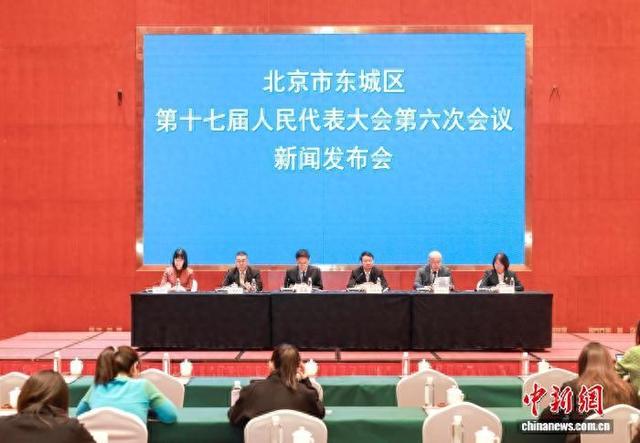
北京东城拟到2030年基本建成教育强国首善之区示范区
Xin Lang Cai Jing· 2026-01-14 13:25
Group 1 - The core objective is for Dongcheng District to establish a demonstration area for a strong education nation by 2027, with significant progress expected, and to complete the project by 2030 [1] Group 2 - The district plans to expand junior high school enrollment by 4,500 places and high school enrollment by 1,100 places through various strategies, including optimizing school layouts and utilizing educational resources [3] - The district aims to enhance early childhood education by developing a comprehensive service center for childcare and integrating it with preschool education [3] Group 3 - The district is focusing on the "Double Reduction" reform to improve education quality and is implementing programs to cultivate innovative talents and enhance scientific literacy among students [3] - The "Smart Navigation 2030" project will be launched to strengthen smart education and create benchmark schools for artificial intelligence applications [4] - The "Home-School-Community Co-education 2035" initiative aims to foster collaboration among families, schools, and communities [4]