AI储能系统

Search documents
国家级零碳园区建设提速,多家风电头部企业抢抓市场机遇
Xin Lang Cai Jing· 2026-01-04 11:45
Core Viewpoint - The construction of national-level zero-carbon parks is accelerating, with the first batch of 52 parks announced, featuring several leading wind power companies [1][2]. Group 1: Overview of Zero-Carbon Parks - The selected 52 parks include various types such as national economic development zones, high-tech zones, resource-based development zones, and specialized industrial parks, covering regions from energy bases like Inner Mongolia and Ningxia to traditional industrial provinces like Hebei and Shandong [2]. - The construction period for these parks is set between 2027 and 2030, with local governments required to provide support in funding, resources, technology, and finance [2]. Group 2: Participation of Wind Power Companies - Electric Wind Power (688660.SH) is involved in the Guangdong Shantou Haojiang Industrial Park, which integrates wind, solar, storage, and charging technologies into a "smart energy internet" demonstration project [2]. - Goldwind Technology (002202) is participating in multiple parks across various provinces, including a significant project in Jilin that aims to become the world's largest green hydrogen and ammonia integrated project, supported by a 510MW wind power project [3]. - Envision Group is focusing on providing comprehensive energy solutions through wind, solar, storage, and hydrogen projects, emphasizing AI-driven energy management to optimize renewable energy utilization [3][4]. Group 3: Industry Implications - The zero-carbon transformation of industrial parks is crucial for achieving China's dual carbon goals, as these parks account for approximately 31% of the country's carbon emissions [4]. - Leading wind power companies are well-positioned to meet the green transition needs of various industries, including steel, petrochemicals, and data centers, thereby creating significant market opportunities as the construction of national-level zero-carbon parks accelerates [4].
国家级零碳园区对准锂电扩产:52个项目释放哪些信号
高工锂电· 2025-12-31 11:56
Core Viewpoint - The first batch of national-level zero-carbon parks has been announced, with nearly 40% located in key lithium battery manufacturing bases, indicating a strong alignment between zero-carbon industrial parks and China's lithium battery and new energy industries [1][3][4]. Group 1: Overview of Zero-Carbon Parks - A total of 52 parks have been selected, serving as a sample to observe the coupling of China's new energy and industrial systems [2]. - The selected parks cover various types across eastern, central, and western regions, including national economic development zones, high-tech zones, resource-based development zones, and specialized industrial parks [6]. - The construction period for these parks is required to be completed between 2027 and 2030, with local governments encouraged to provide support in funding, resources, technology, and finance [7]. Group 2: Industry Chain and Structure - The parks related to lithium battery and new energy manufacturing encompass a complete chain from resource extraction to manufacturing and application [8]. - Key parks include those in Jiangxi, Yunnan, and Xinjiang, which focus on lithium resources and new energy materials, as well as manufacturing bases for major companies like CATL and BYD [8][10]. - Downstream applications include parks focused on electric vehicles, energy storage equipment, and data centers, indicating a multi-dimensional approach to energy and storage [10]. Group 3: Zero-Carbon Parks as Experimental Models - Zero-carbon parks are not merely single-factory transformations but aim to reconstruct energy systems and carbon management logic at the industrial cluster level [11]. - The selection of lithium battery and new energy industries as pilot projects is due to their foundational role in supporting energy transition and their strong linkage to emission reduction targets [13][14]. - The parks are expected to validate a replicable set of indicators and operational mechanisms under varying regional and industrial conditions [11][21]. Group 4: Case Study of Inner Mongolia - The Inner Mongolia Ordos Mongsu Economic Development Zone serves as a concrete example of a zero-carbon park, integrating wind, solar, storage, and hydrogen energy into a closed-loop system [22][25]. - The facility aims for full carbon neutrality across its value chain, utilizing high proportions of green electricity and a digital carbon management platform [26][30]. - This model is being expanded to other regions, demonstrating the potential for replicable solutions across different resource endowments and industrial structures [33]. Group 5: Implications for Future Investments - The first batch of zero-carbon parks reflects new constraints and implicit thresholds for the next round of lithium battery and new energy industry layouts [39]. - Local governments' ability to implement green electricity direct connections and integrated carbon monitoring systems will influence the feasibility of high-value new energy projects [40]. - Parks that have established comprehensive new energy and lithium battery industry clusters are more likely to be selected for future projects, shaping the spatial layout of the new energy industry [41][42].

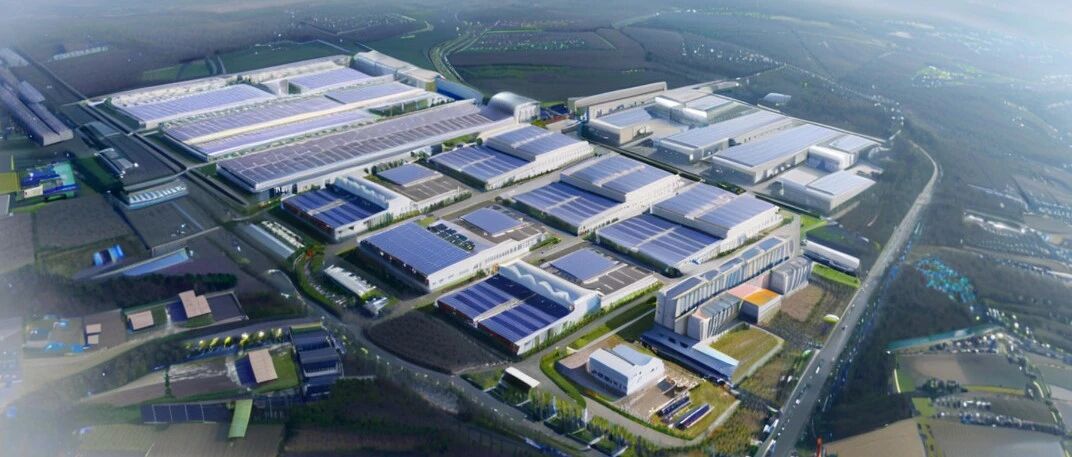
首批国家级零碳园区建设名单公布,AI储能价值凸显
起点锂电· 2025-12-31 07:30
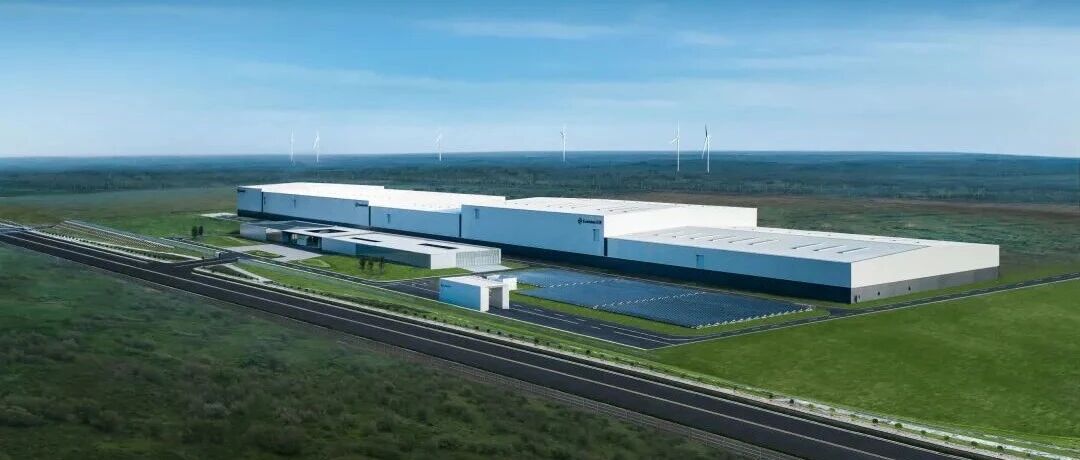
Core Viewpoint - The establishment of the first batch of national-level zero-carbon parks in China, with 52 projects selected, highlights the significant role of renewable energy manufacturing in driving the development of zero-carbon industrial parks, accounting for at least 40% of the total projects [2][4]. Group 1: Zero-Carbon Parks Overview - The layout of zero-carbon industrial parks closely aligns with China's renewable energy industry map, indicating that leading enterprises' production bases are becoming models for deep decarbonization [4]. - The "Inner Mongolia Ordos Mengsu Economic Development Zone" features the world's first fully carbon-neutral battery factory, showcasing a complete industrial chain that includes lithium battery production and 100% zero-carbon energy supply [4][5]. - AI energy storage systems play a crucial role in ensuring stable power supply and reducing energy costs within zero-carbon parks, acting as a bridge between unstable green electricity and continuous industrial production [5]. Group 2: AI Energy Storage and Global Expansion - The AI energy storage system in the Yincheng Zero-Carbon Industrial Park allows for millisecond-level coordination between renewable energy generation and production loads, maximizing green electricity utilization and reducing electricity costs [5]. - The first batch of zero-carbon parks aims to provide replicable models for low-carbon and zero-carbon transformations globally, with the Yincheng model already being implemented in Europe, indicating international market recognition [5][6]. - Over ten zero-carbon parks in the national list are co-built with Yincheng, covering various challenging types within China's industrial system, demonstrating the potential for significant impact on global industrial decarbonization [6]. Group 3: Strategic Locations and Industry Implications - The national list of zero-carbon parks reveals strategic locations for the renewable energy industry, which has been a pioneer in responding to China's dual carbon goals since its inception [6]. - Key battery production bases associated with major companies like CATL, BYD, and others are included in the zero-carbon parks list, indicating a strong correlation between the renewable energy sector and zero-carbon initiatives [6][7]. - The zero-carbon park initiative not only showcases technological integration and operational capabilities but also offers a commercial pathway for global industrial decarbonization [6].