AI内容检测工具

Search documents
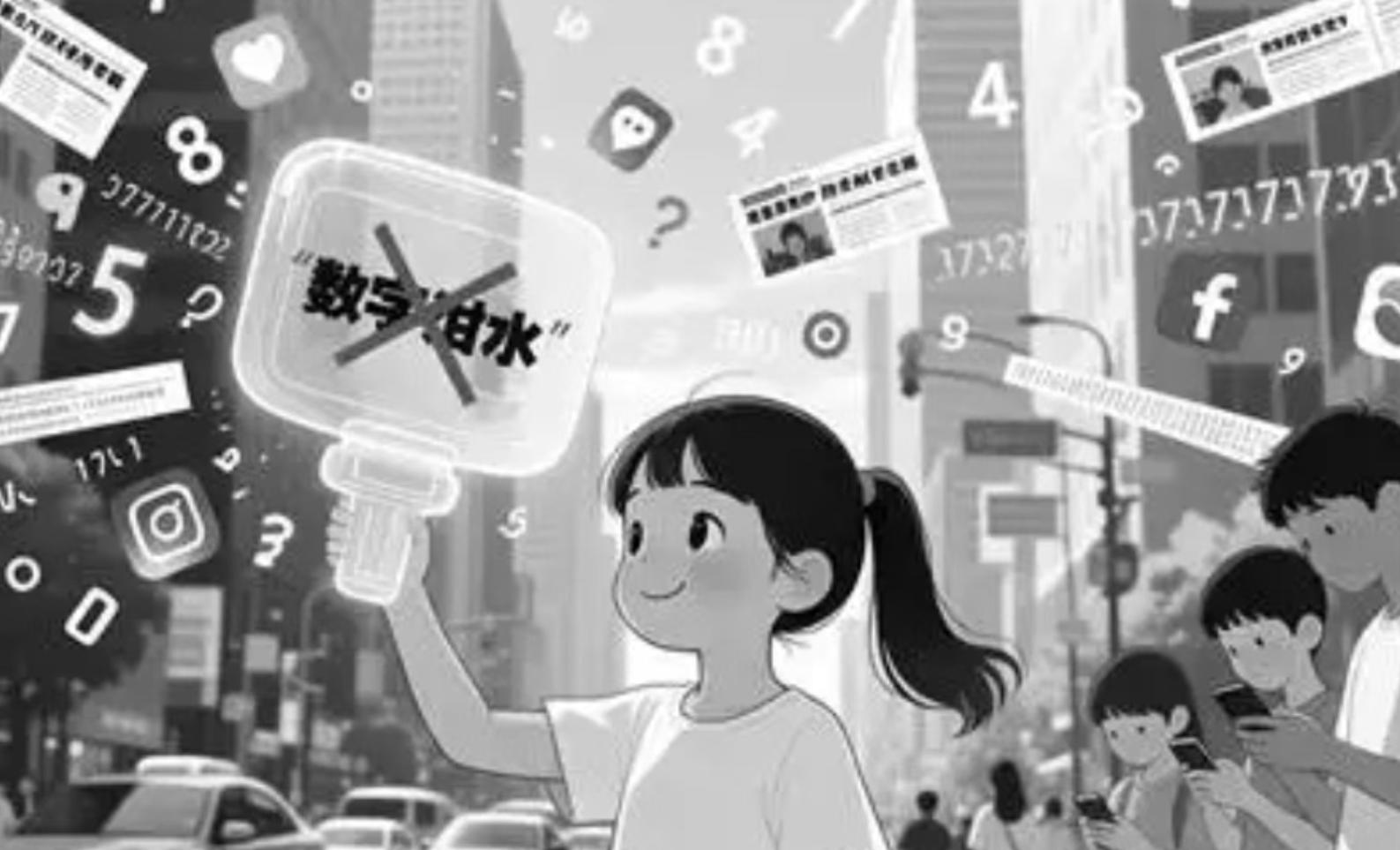
警惕,“AI泔水”正在悄悄入侵我们的生活
3 6 Ke· 2026-01-20 03:43
Core Viewpoint - The article discusses the proliferation of low-quality AI-generated content, termed "AI Slop," which is increasingly prevalent in various sectors, including health, finance, and education. This content often lacks factual verification and can mislead readers, leading to a decline in critical thinking and judgment skills among consumers of such information [3][4][6]. Group 1: Prevalence of AI Slop - Over 38% of so-called "popular science content" on the Chinese internet is entirely AI-generated and lacks any factual verification, with this figure rising to 45% in specific fields like health and finance [4]. - The rapid production and distribution of AI-generated content are overwhelming users, with many articles containing sensational headlines but lacking substantive information [6][7]. Group 2: Characteristics of AI Slop - AI Slop is characterized by information that is hollow, emotionally manipulative, and factually ambiguous, often using vague references to studies or experts without providing specific details [7][8]. - The content is produced in bulk using templates, allowing for the generation of hundreds of articles quickly, which often results in repetitive and low-quality information [8]. Group 3: Long-term Effects of Consuming AI Slop - Prolonged exposure to AI Slop can lead to a decline in judgment and critical thinking abilities, as individuals may struggle to differentiate between true and false information [13][14]. - The impact on youth is particularly concerning, as they are in formative stages of cognitive development and may be misled by distorted facts and flawed learning methods presented in AI-generated content [15]. Group 4: Underlying Industry Dynamics - The rise of AI Slop is supported by a complete profit-driven ecosystem, where anyone with basic technical knowledge can access advanced AI tools to create content [19]. - The production of AI content is often automated, with systems capable of generating articles, images, and managing social media interactions without human oversight, leading to significant financial gains for content creators [19][20]. Group 5: Identifying and Avoiding AI Slop - To combat the spread of AI Slop, individuals are encouraged to verify sources, check for logical consistency, and be wary of sensational language commonly used in AI-generated content [21][22]. - Establishing healthy information consumption habits, such as seeking reputable sources and engaging in deep reading, is essential to mitigate the effects of low-quality content [27][28].

能分清这是真的还是AI生成吗?这有一份鉴定指南送给你
红杉汇· 2025-05-15 17:00
Core Viewpoint - The article discusses the rapid advancement of AI-generated content across various forms such as text, images, and videos, emphasizing the need for individuals to develop skills to discern between human-created and AI-generated content [5][24]. Group 1: Identifying AI-Generated Text - AI-generated text often exhibits a distinct "flavor," characterized by overly precise language and emotional dilution, making it easier to identify [8][10]. - Common traits of AI writing include excessive use of complex vocabulary, a barrage of examples and metaphors, and a lack of personal experience or unique insights [9][10]. - AI text tends to be overly polished and consistent, lacking the natural rhythm and emotional fluctuations typical of human writing [9][10]. Group 2: Identifying AI-Generated Images - AI-generated images can be scrutinized for key details such as hands, teeth, and eyes, which are common areas where AI makes mistakes [12][13]. - Consistency and logic in lighting, shadows, and background elements are crucial for identifying AI images; discrepancies can indicate AI generation [15][17]. - Observing texture and symmetry can also reveal AI-generated images, as they may appear unnaturally smooth or overly perfect [17]. Group 3: Identifying AI-Generated Videos - AI-generated videos often struggle with replicating human facial expressions and may exhibit unnatural eye movements or facial symmetry [19][20]. - Illogical actions in videos, such as the absence of typical human habits, can signal AI involvement [20][21]. - Trusting one's intuition about the overall feel of a video can be a valuable tool in identifying AI-generated content [21]. Group 4: Tools for Detection - Various AI detection tools are available to analyze text, images, and videos for signs of AI generation, including Grammarly, ZeroGPT, and deepfakedetector.ai [23][24]. - No single detection tool is 100% accurate; combining multiple methods and tools is recommended for better reliability [24]. - The ongoing evolution of AI technology presents a continuous challenge in distinguishing between human and AI-generated content, necessitating critical thinking and media literacy [24].