AI项圈

Search documents
AI养宠潮,千元“智商税”与难以衡量的情绪价值
Xin Lang Cai Jing· 2026-01-27 12:24
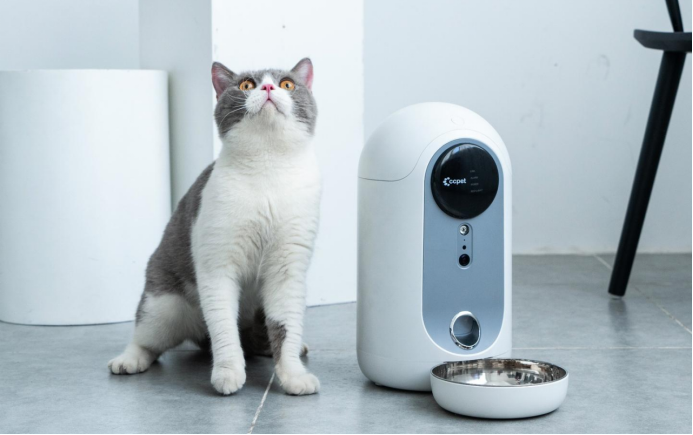
Group 1 - The core idea of the article revolves around the transformation of the pet care industry through the adoption of smart devices that enhance the pet ownership experience, driven by emotional needs and technological advancements [2][4][22] - The smart pet device market is experiencing significant growth, with the smart dog collar market projected to reach $8.97 billion by 2035, reflecting a compound annual growth rate of 22.7% from 2026 to 2035 [5][23] - The evolution of smart pet devices has progressed from basic automation to AI-driven analytics, enabling deeper insights into pet health and behavior [6][24] Group 2 - The shift in consumer behavior is influenced by the increase in single-person households in China, which grew by 115% from 2010 to 2020, creating a demand for emotional companionship that pets fulfill [4][22] - A significant portion of pet owners, 61.5%, are willing to pay for their pets' emotional health, indicating that smart devices are becoming essential rather than optional [4][22] - The price range for smart litter boxes varies significantly, with products evaluated by the Shanghai Consumer Council ranging from 679 yuan to 2,339 yuan, and high-end imported models exceeding 7,000 yuan [4][22] Group 3 - The industry is facing challenges related to the reliability of technology, as recent evaluations showed that only a few brands of smart litter boxes passed safety tests, highlighting potential safety hazards [9][27] - Data accuracy remains a critical issue, with reports of significant discrepancies in weight measurements from smart litter boxes, which could lead to misjudgments in pet care [10][27] - Fragmentation of data across different brands and applications limits the potential value of smart devices, as users often have to manage multiple apps for different devices [11][27] Group 4 - The industry is at a pivotal transition point, moving from hardware sales to a sustainable ecosystem centered around data and services, aiming to address the challenges of data silos and fragmented user experiences [28] - Leading companies are exploring open platforms or data hubs to integrate ecosystems, with examples like the "WarmData" digital life database aiming to create a comprehensive health profile for pets [28][29] - The market is diversifying with the emergence of high-end integrated solutions and specialized products targeting specific needs, such as monitoring cognitive decline in older dogs [29]

智能养宠时代来临 AI为“它经济”注入别样温暖
Huan Qiu Wang Zi Xun· 2025-05-03 12:36
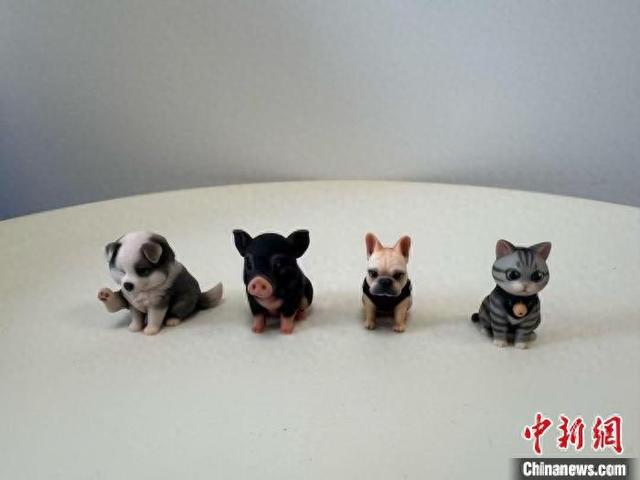
Group 1 - The core theme of the article revolves around the integration of AI technology in the pet industry, emphasizing the emotional connection between pets and their owners, as well as the evolving consumer trends towards emotional value rather than just functional value [1][3]. - The second Hangzhou Pet Fashion Week showcased the theme of "Pet Fashion + AI Technology," highlighting the industry's shift towards exploring new ways to connect human emotions with pets through technology [1][3]. - There is a notable trend in pet ownership where consumers are moving from essential products to more ritualistic and spiritual offerings, leading to a profound transformation in the pet industry with increasingly specialized and upgraded services [1][3]. Group 2 - AI and big data are enabling personalized pet nutrition plans, allowing for real-time adjustments based on pets' age, weight, and health records, with future potential for automatic pet food formulation by smart devices [3]. - Innovative technologies such as smart cameras can recognize 15 types of pain expressions in pets, alerting owners for health checks, while AI can monitor sleep and breathing patterns to provide early warnings for health issues [3][4]. - 3D printing technology allows for the creation of lifelike pet sculptures from photos, providing a new way for pet owners to memorialize their pets beyond traditional photos and videos, thus enhancing emotional connections [4].