AI算法

Search documents
机器视觉行业深度研究报告(一):从二维识别到三维重构,3D视觉正从“可选配置”走向“刚需标配”
Huachuang Securities· 2026-03-30 14:28
Investment Rating - The report maintains a "strong buy" recommendation for the company Sikan Technology (688583.SH) with a projected EPS of 1.63 CNY for 2025, increasing to 2.36 CNY by 2027, and a PE ratio decreasing from 71.46 in 2025 to 49.24 in 2027 [2] Core Insights - The machine vision industry is transitioning from optional configurations to essential standards, particularly in 3D vision technology, which enhances applications in various sectors [6][8] - The report highlights two major trends in the machine vision industry: the expansion of application scenarios for 3D vision and the penetration of AI algorithms [7] Industry Overview - The industry comprises 637 listed companies with a total market capitalization of 67,631.52 billion CNY and a circulating market value of 56,045.07 billion CNY [3] - The absolute performance of the industry over the past 12 months is 27.3%, with a relative performance of 12.6% [4] 3D Vision Technology - 3D vision technology provides depth, shape, and pose information, enabling recognition, positioning, and scene reconstruction, which is a significant advancement over traditional 2D imaging [11][14] - The 3D vision industry chain consists of upstream hardware suppliers, midstream algorithm developers, and downstream application providers [17][24] Core Technology Paths - The main 3D imaging technologies include binocular vision, structured light, and time-of-flight (TOF) systems, each with distinct advantages and applications [27][28] - Binocular vision is cost-effective and suitable for long distances, while structured light offers high precision at close range, and TOF technology provides stable accuracy in indoor environments [39][40] Market Expansion - The 3D vision technology initially focused on industrial applications, such as high-precision measurements, is now expanding into consumer markets, driven by advancements in components and algorithms [45][50] - The global market for 3D vision products was valued at 12.29 billion CNY in 2022 and is expected to grow to 60.3 billion CNY by 2027, with a CAGR of 26.6% [51] Investment Recommendations - The report suggests focusing on companies like Orbbec, Sikan Technology, and Opto, which are well-positioned in the 3D vision market due to their comprehensive technology and product offerings [65][66]
把尾货卖到50亿,好特卖靠AI算法,拿捏情绪经济
创业邦· 2026-03-28 10:36
Core Viewpoint - Good Sale is redefining the retail landscape by focusing on emotional consumer experiences rather than just essential needs, leveraging AI algorithms to manage a vast array of SKUs and tail goods effectively [10][11][19]. Group 1: Business Model and Strategy - Good Sale operates with a unique model, emphasizing emotional shopping experiences, where consumers often visit without a specific shopping list, seeking surprises and enjoyment [10][12]. - The company has achieved significant sales growth, with projected revenues exceeding 5 billion by 2025, despite having only around 1,000 stores compared to competitors with over 22,000 [7][15]. - Good Sale's inventory strategy includes a diverse range of over tens of thousands of SKUs annually, contrasting with the industry trend of SKU reduction [6][18]. Group 2: Target Market and Location Strategy - Good Sale targets first-tier and new first-tier cities, focusing on shopping malls rather than street-side locations, due to higher foot traffic and a more suitable consumer demographic [11][12]. - The company has found that its primary customer base consists of white-collar workers, which aligns with its store locations in urban centers [11]. Group 3: Use of AI and Technology - AI algorithms play a crucial role in Good Sale's operations, helping to determine pricing, inventory management, and product distribution across its stores [19][21]. - The company utilizes AI to analyze consumer behavior and sales data, allowing for rapid adjustments in inventory and pricing strategies [19][25]. - Good Sale's AI capabilities also assist in site selection for new stores, enhancing the decision-making process for franchisees [25]. Group 4: Product Offering and Consumer Experience - The product mix at Good Sale includes innovative and unusual items, often from brands that have failed to succeed in traditional retail environments, thus providing a unique shopping experience [12][13]. - The company positions itself as a solution for brands to offload unsold inventory, thereby creating a win-win situation for both consumers and suppliers [28][29]. - Good Sale aims to enhance brand collaboration by allowing brands to test new products in its stores, acting as an incubator for innovation [32][33]. Group 5: Financial Performance and Future Plans - Good Sale has reached profitability and is expanding its product categories beyond food and beverages into apparel and other sectors [30]. - The company is exploring new store formats, including larger stores that can accommodate a wider range of products, indicating a strategic shift to capture more market segments [30].


从学术角度洞悉脑机接口产业及重大事件点评
2026-03-16 02:20
Summary of Brain-Computer Interface Industry Insights Industry Overview - The brain-computer interface (BCI) industry has entered the 3.0 closed-loop era, with China keeping pace with the U.S. in both invasive and non-invasive technology paths. The industry is expected to reach commercialization and large-scale clinical key periods by 2026 [1][2][3]. - Non-invasive technology holds an 80% market share among companies due to its high safety and broad audience, making it the mainstream commercialization direction for the next 5-10 years, covering rehabilitation, consumer, and diagnostic markets [1][2]. Key Developments and Innovations - **Neuralink** has enabled blind patients to recognize object outlines, while domestic companies like Fudan University and Ming Vision Brain Machine are progressing in artificial retina clinical trials, with expectations to enter human clinical stages by 2027 [2]. - **Borycon** has completed over 20 clinical trials for upper limb rehabilitation and received the first Class III medical device certification in China for its hard dura mater external implant product, with a surgical cost of approximately 200,000 yuan [2][3]. - In lower limb rehabilitation, Fudan University and Onward have achieved significant clinical results, with the next goal being independent walking within 1-2 years [2][3]. - Language decoding projects have achieved over 70% accuracy in Chinese, with a target of 80-90% by 2026, while English decoding has reached 98% accuracy [2]. Technological Advancements - The BCI technology has evolved through three stages: - **1.0**: Brain perception (e.g., EEG) - **2.0**: Brain control (independent perception and control) - **3.0**: Real-time closed-loop systems that can decode signals and provide immediate feedback [4]. - The core technology areas include brain perception (visual reconstruction, language parsing, etc.) and brain control (various stimulation techniques) [4]. Competitive Landscape - Over 800 BCI companies exist globally, with about two-thirds located in China and the U.S. The industry chain structure follows a 1:2:7 ratio (upstream:midstream:downstream) [5]. - Upstream focuses on electrode and chip development (10% of companies), midstream on software and services (20%), and downstream applications (70%) [5]. - Domestic companies like Ladder Medical and Brain Tiger excel in flexible electrodes and chips, while listed companies primarily focus on downstream applications due to easier commercialization [5]. Investment Trends - Investment is shifting from high-risk invasive technologies to more certain non-invasive technologies, with 70% of capital directed towards downstream applications [1][5][6]. - The global market for BCIs is projected to reach $145 billion by 2040, with non-invasive technologies expected to capture 80% of the market share [15]. Regulatory and Policy Environment - In 2025, seven ministries in China released documents to address resource waste and lack of collaboration in the BCI industry, aiming to establish a guiding committee by 2026 to optimize resource allocation [12][13]. Challenges and Future Directions - The main challenges for invasive technologies include high costs and safety concerns, while non-invasive technologies are expected to dominate due to their broader application potential [9][15]. - AI algorithms are seen as a key variable in enhancing signal extraction quality and reducing model training cycles, which could significantly accelerate clinical adoption [20]. Conclusion - The BCI industry is rapidly evolving, with significant advancements in both invasive and non-invasive technologies. The focus is shifting towards non-invasive applications, which are expected to dominate the market in the coming years. The regulatory landscape is also adapting to support the industry's growth, while investment trends indicate a preference for safer, more commercially viable technologies.
可孚医疗(301087) - 2026年3月9日投资者关系活动记录表
2026-03-10 00:40
Product Development and Market Expansion - In 2026, the company plans to focus on high-end and intelligent iterations of its ventilator products, launching 1-2 flagship models with significant upgrades in safety and comfort features [2][3] - The company is actively preparing for international expansion, having completed a strategic stake in Rongxin Medical, which has a leading position in global respiratory health digital medical field, covering over 200 countries and regions [2][3] Strategic Partnerships and Product Launches - The collaboration with Philips focuses on core home health monitoring categories, including blood pressure, blood glucose, temperature, and blood oxygen monitoring, with products entering the market preparation phase [4] - Philips products will be positioned as high-end home medical devices, leveraging the company's e-commerce and retail networks for rapid market penetration [4] Hearing Business and Operational Efficiency - The hearing business showed steady growth in 2025, with improved operational efficiency and significant reduction in losses, laying a solid foundation for future profitability [5] - A new generation of bone conduction hearing aids, developed in collaboration with Tencent Cloud, was launched in November 2025, receiving positive market feedback and rapid sales growth [5] International Business Growth - In 2025, overseas business revenue reached approximately 300 million yuan, a year-on-year increase of over 400%, with products entering over 60 countries and regions [6] - The company is enhancing its B2B overseas business through strong customer relationships and ongoing product registration and certification processes [6] Core Product Growth and Marketing Strategy - The respiratory support segment saw an 80.18% year-on-year revenue increase in the second half of 2025, driven by the successful launch of self-developed smart connected ventilators [7] - The company plans to continue its focus on core products in 2026, optimizing marketing resources for targeted promotions while maintaining cost control [8] IPO Plans and Financing Strategy - The company has received approval for overseas issuance and is progressing with its Hong Kong IPO, aiming to enhance international brand influence and expand financing channels [9] - The dual listing strategy (A+H) is intended to provide stable capital support for R&D, capacity building, and global business expansion, enhancing risk resilience and sustainable development [9]
驱动逻辑反转,流动性收紧再度打压贵金属
Guang Fa Qi Huo· 2026-03-06 03:06
Report Industry Investment Rating - Not provided in the given content Core Viewpoints - The conflict between the US and Iran initially drove up precious metal prices due to increased risk - aversion, but the situation reversed quickly. The continuous blockade of the Strait of Hormuz by Iran led to energy transportation disruptions, inflation pressure, and reduced expectations of Fed rate cuts, causing a sharp correction in precious metal prices [1]. - In the new market paradigm, the role of traditional safe - haven assets has weakened during the Iran conflict. Due to factors such as de - globalization, de - dollarization, and AI algorithm trading, the flow of funds has changed, and the original driving logic has reversed. The prices of US Treasuries and precious metals are under pressure due to expectations of tight monetary policy [2][4]. - The market expects the US dollar cycle to rebound and the current gold bull market to peak, but gold still has value in asset allocation under the "de - dollarization" trend. The future performance of precious metals depends on the Middle East situation, US inflation data, and the Fed's stance [5]. Summary by Related Catalogs Market Situation - After the US - Iran conflict, precious metal prices first rose due to risk - aversion but then sharply corrected. On Wednesday morning, the main contracts of Shanghai silver and platinum futures fell by more than 5%, erasing the gains since late February, and the main contract of Shanghai gold fell by more than 3% before rebounding in the afternoon [1]. Driving Analysis - In the past, geopolitical conflicts would drive funds to safe - haven assets, but in this US - Iran conflict, traditional safe - haven assets did not perform as expected. In the new market paradigm, funds first flow to the currencies of net oil - exporting countries, and the currencies of net oil - importing countries are under pressure [2]. - The blockade of the Strait of Hormuz by Iran may lead to a global oil supply disruption and an energy crisis, increasing the possibility of the Fed delaying rate cuts or even raising rates again. Market concerns about a new Fed chairman's possible tendency to shrink the balance sheet also intensify liquidity tightness, suppressing the prices of US Treasuries and precious metals [2][4]. Impact on Precious Metals - The market expects the US dollar cycle to rebound and the gold bull market to peak, but gold shows some resilience due to demand from central bank purchases and ETF investments. The future performance of precious metals depends on the Middle East situation and the Fed's stance on inflation [5]. - For gold, short - term support at the 20 - day moving average should be monitored, and long positions can consider taking profits at high prices or selling out - of - the - money call options for protection. For silver, with a continuous decline in exchange inventories and tight supply, but high price volatility, it may test the 60 - day moving average again, and short - selling at high prices above $95 or selling out - of - the - money call options can be considered. For platinum and palladium, which follow the fluctuations of gold and silver and have limited short - term upward momentum, selling out - of - the - money call options at high prices can be considered [5].
e代驾发布《2026马年春节代驾数据报告》:需求同比上涨108%
Xin Lang Cai Jing· 2026-02-26 07:47
Core Insights - The report from e代驾 indicates that during the Spring Festival period (February 15-23, 2026), the demand for代驾 services increased by over 108% compared to the previous year, marking a significant shift from "emergency driving after drinking" to "full-scenario travel support" [1][3] Demand Growth - The demand for代驾 services specifically for post-drinking situations rose by 108% year-on-year during the Spring Festival [1][3] - Major cities leading in代驾 demand include Beijing, Shanghai, Shenzhen, and various cultural tourism hotspots such as Xi'an, Guangzhou, and Chengdu, with these cities ranking in the top 20 nationwide for代驾 demand [1][3] Regional Insights - Key dining districts and specialty food streets in cities like Xi'an, Nanning, and Chongqing have become high-frequency areas for代驾 orders, contributing to significant year-on-year growth in local代驾 demand [1][3] Seasonal Trends - The ongoing Winter Olympics has diversified代驾 scenarios, with "calling a代驾 after skiing" becoming a common practice among drivers. Demand for代驾 services from ski resorts increased by 73% year-on-year, particularly in cities like Jilin and Zhangjiakou [1][3] Booking Trends - There was a 60% increase in预约 orders made at least one hour in advance compared to the previous year, highlighting a shift towards "预约 + 下单必达" as a core user demand to avoid peak time congestion and long wait times [2][4] - The "不要小车" service gained popularity due to its convenience for drivers who frequently travel with heavy luggage during family visits [2][4] Technological Advancements - AI algorithms played a crucial role in the efficient operation of代驾 services during the Spring Festival, enabling precise driver route planning and point-to-point scheduling to avoid congestion [2][4] - The implementation of AI not only improved driver order acceptance rates but also contributed to a 35% increase in order volume during the festival, while effectively reducing wait times for drivers [2][4]
新春走基层·回乡见闻丨从造铁皮柜子到卖智能家具
He Nan Ri Bao· 2026-02-21 23:15
Group 1 - The fifth China Luoyang (Pangcun) Steel Furniture Expo has opened, showcasing the evolution from traditional handmade products to modern smart furniture [1] - The exhibition features advanced technologies such as AI-driven inventory management and smart cabinets with facial recognition, indicating a shift towards intelligent manufacturing [1] - Pangcun town has become a hub for steel furniture production, with over 1,000 enterprises generating nearly 20 billion yuan in annual output [2] Group 2 - Pangcun produces 70% of the steel furniture in China, with products exported to over 120 countries and regions [2] - The town has seen the establishment of four new national high-tech enterprises and two specialized small and medium-sized enterprises in the past year [2] - The transition from manufacturing to intelligent manufacturing is evident, with significant growth in the local industry and increasing demand for smart furniture solutions [2]
安克高管辞职卖灯带,年入40亿抢下80国中产
创业邦· 2026-02-17 10:32
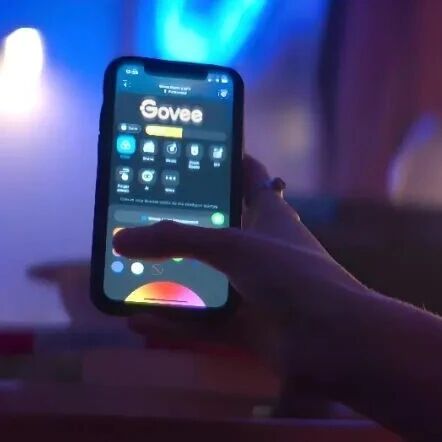
Core Viewpoint - The article highlights the emergence of former executives from major Chinese companies as competitive entrepreneurs, particularly focusing on Govee, a smart lighting brand founded by a former CTO of Anker Innovations, which has achieved significant growth and is on the path to an IPO [5][10][12]. Company Overview - Govee, established in January 2017, is a subsidiary of Shenzhen Zhiyan Technology Co., Ltd., with a registered capital of approximately 38.95 million RMB. The company is controlled by its founder, Wu Wendong, who holds 55% of the shares [6][7]. - Govee has successfully positioned itself in the smart lighting market, avoiding the traditional low-cost competition in general lighting and instead focusing on selling experiences and emotions through its products [7][12]. Market Dynamics - The global lighting market is experiencing a structural shift, with the market size reaching $83.6 billion and a projected compound annual growth rate (CAGR) of over 4.2% from 2025 to 2034. The growth drivers have shifted from real estate and infrastructure to smart cities and home upgrades [10][11]. - In 2024, China holds a 44% share of the global LED lighting market, but the overall lighting industry in China is facing challenges, with a 4.9% decline in market size to approximately 589 billion RMB [11][12]. Govee's Growth and Strategy - Govee's revenue reached 3 billion RMB in 2023 and is expected to grow to 4 billion RMB in 2024, with a net profit exceeding 400 million RMB. The company has initiated the IPO process in May 2025 [16][30]. - The brand's success is attributed to its focus on the North American and European markets, where it has established a strong presence on platforms like Amazon and TikTok, achieving significant sales and brand recognition [18][20]. Product and Technology - Govee's product line includes various smart lighting solutions designed for different environments, emphasizing emotional expression rather than mere functionality. The company has developed proprietary technology, including the CogniGlow™ AI algorithm, enhancing user interaction and experience [19][21]. - The company has a high R&D personnel ratio of over 70% and has filed more than 1,000 patents, which contributes to its competitive edge in the market [19][21]. Community Engagement and Marketing - Govee has effectively utilized social media and community engagement to enhance brand visibility and user loyalty. Initiatives like user-generated content (UGC) and collaborations with influencers have significantly increased user interaction and brand exposure [20][21]. - The company has built a user community within its app, allowing users to share creative lighting solutions, which fosters a sense of belonging and enhances customer retention [21]. Competitive Landscape - The smart lighting sector is becoming increasingly crowded, with over 110,000 related companies registered in China by 2024. Govee faces competition from established brands like Opple Lighting and emerging players like Yeelight and Casambi [23][25][30]. - Govee's reliance on online sales, particularly through Amazon, poses risks related to changing tariffs and platform regulations, necessitating a diversified sales strategy to mitigate these challenges [30].
宇树机器人“以武会春”:刷新多个全球第一,空翻最大高度超3米
Xin Lang Ke Ji· 2026-02-16 15:49
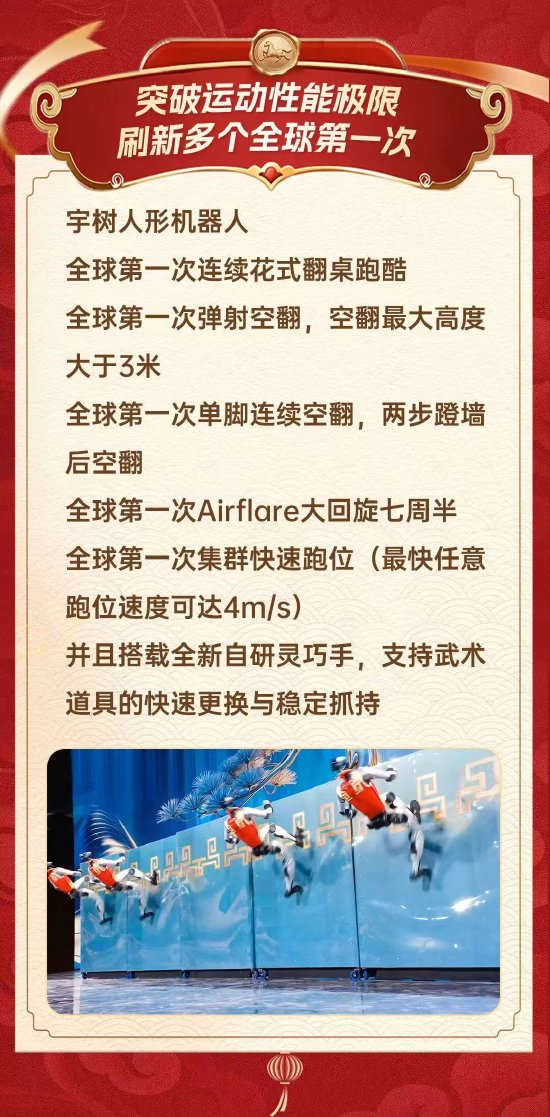
Core Viewpoint - The performance of Yush Robot at the 2026 CCTV Spring Festival Gala showcased significant advancements in robotics, highlighting the company's ability to push the limits of robotic movement and coordination [1] Group 1: Performance Highlights - Yush Robot participated in the martial arts segment "Dance BOT," demonstrating various stunts such as flips, staff dance, jumping flips, and sword dance [1] - The humanoid robots achieved several global records, including the highest flip over 3 meters, the first single-leg consecutive flips, and the first Airflare with seven and a half rotations [1] - The robots exhibited rapid positioning capabilities, with the fastest arbitrary positioning speed reaching 4 meters per second [1] Group 2: Technological Innovations - Yush Technology developed a new dexterous hand that allows for quick changes and stable handling of martial arts props [1] - The company successfully coordinated dozens of robots in real-time with ultra-low synchronization delay, ensuring precise movements even after intense activity [1] - AI algorithms combined with 3D laser radar were utilized to maintain accurate positioning, overcoming challenges related to cumulative motion errors during long sequences [1]

融资210万美元,AI版陌陌走红斯坦福,一周只匹配一人是亮点
3 6 Ke· 2026-02-13 00:31
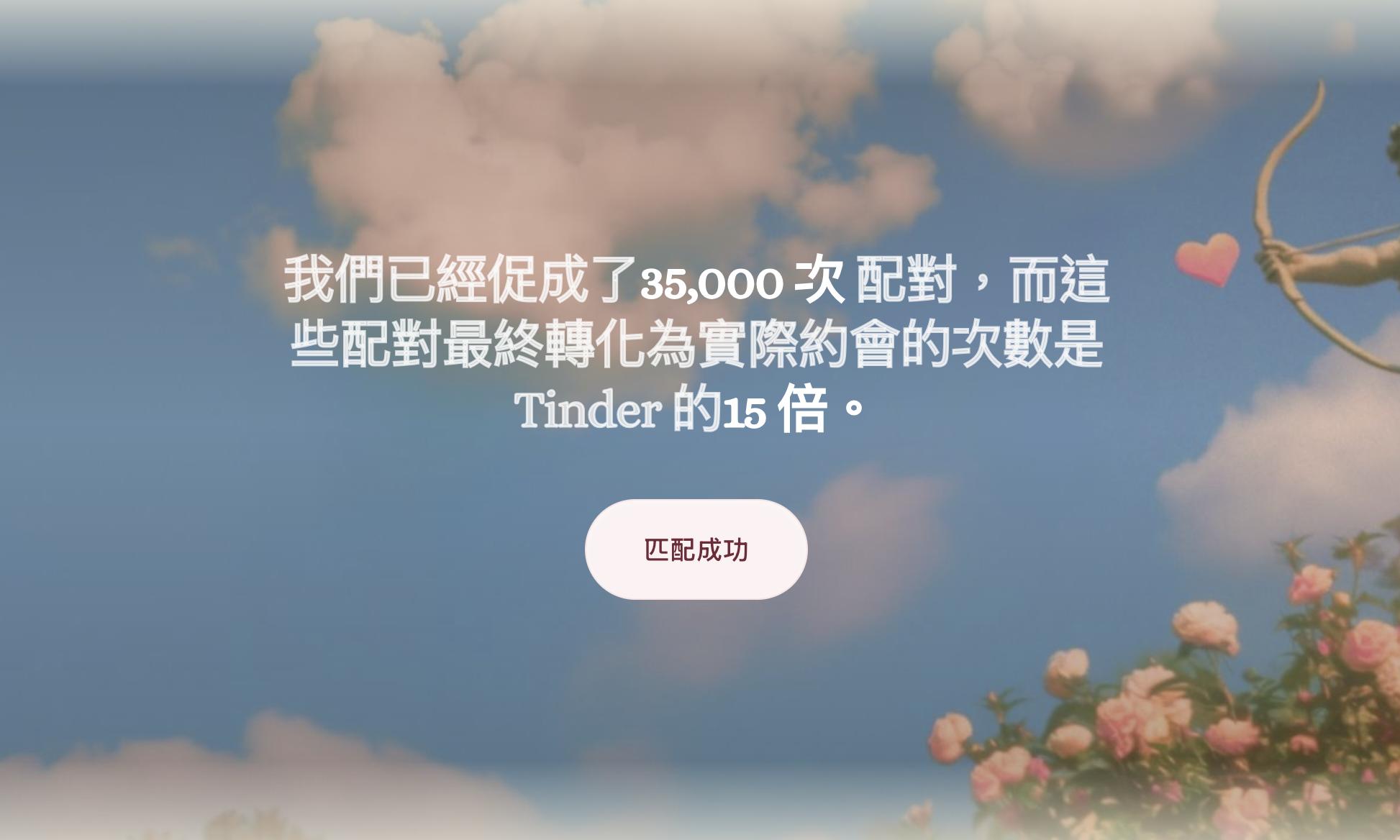
Core Insights - Date Drop, an AI dating application developed by Stanford student Henry Weng, has gained significant traction among students, with over 5,000 registrations and 35,000 matches since its launch in September 2025 [1][3][4] - The app has attracted attention from Wall Street, securing $2.1 million in venture funding and is expected to expand beyond the university market [3][9] - The unique weekly matching format of Date Drop has created a viral phenomenon on campus, allowing students to engage in social discussions around the app's results [5][8] Company Overview - Date Drop utilizes a questionnaire with 66 questions covering values, lifestyle, and political views to match users, which helps reduce awkwardness in initial interactions [4][7] - The app's design encourages a low-pressure environment for users, making it easier to initiate connections without the typical challenges faced in traditional dating apps [7][8] - The platform's success is attributed to its low-cost advantages, including the use of Stanford email for registration, which simplifies identity verification and reduces operational costs [9][11] Market Potential - The app's transition from a university-focused platform to a broader market presents challenges, particularly in identity verification and safety concerns [11][12] - Traditional dating app revenue models, such as subscription services and premium features, may not align with Date Drop's unique value proposition of quick and simple matchmaking [12] - The competitive landscape includes established players like Tinder and Chinese platforms like Tantan, which have already integrated AI into their matching and safety features [13][15] User Engagement - Date Drop's weekly matching format creates anticipation and social engagement among users, fostering a sense of community and shared experience [5][8] - The app is not only used for dating but also as a tool for expanding social networks, which is particularly valuable in a university setting [7][8] - However, there are concerns about the app's reliance on AI for matchmaking, with some users expressing a preference for more traditional methods of meeting people [12][15]