AI PIN

Search documents
模型对话端侧硬件-2026年如何看待端侧落地
2026-02-13 02:17
Summary of Key Points from the Conference Call Industry Overview - The AI eyewear market is experiencing rapid growth, with Meta and Luxottica's collaboration expected to sell over 7 million units in 2025 and reach 15 million units in 2026, doubling year-on-year [2][3] - The AI smartphone market is anticipated to flourish in 2026, with multiple manufacturers actively developing products that demand higher chip processing capabilities, NPU processing power, and memory capacity, potentially triggering a consumer upgrade wave [2][4][5] - OpenAI is making significant strides in edge hardware, including AI PINs, headphones, glasses, and desktop robots, aiming for an annual shipment volume of 100 million units, leveraging its vast user base to boost hardware sales [2][6] Core Insights and Arguments - 2026 is projected to be a pivotal year for AI edge hardware, driven by advancements in model upgrades and multimodal technology, leading to a shift from traditional voice-interactive devices to multimodal interactive hardware [3] - The introduction of new display-enabled AI eyewear is expected by 2027, capable of photography, video recording, and image presentation, enhancing user experience [3] - The demand for consumer electronics in the first half of 2026 may be affected by fluctuations in memory prices, but a recovery in market demand is expected in the second half as more mature models or agents are launched [7] Potential Beneficiaries in the Market - Domestic manufacturers are primarily focused on storage chips, with companies like Baiwei, Jiangbolong, and Zhaoyi Innovation leading the field. Key component suppliers such as Huanxu Electronics, Longqi Technology, and GoerTek are also expected to benefit from the edge hardware market [2][8] - Traditional consumer electronics companies like Luxshare Precision and Lens Technology are deeply involved in this sector and are likely to profit from the emerging opportunities [8] Additional Important Insights - The trend of model miniaturization is crucial for the next two years, enhancing model evaluation and enabling a wider range of applications, particularly in companion and recording devices [4][9] - The development of native multimodal technology is expected to integrate understanding and generative capabilities, leading to breakthroughs within 1-2 years, which will support the rise of larger and more complex devices like smartphones and NAS [9][10] - Record-type devices are seen as having the most explosive potential in the big model era, serving as both data entry points and sources of data generation, with AR/VR glasses and various smart devices poised for significant growth [10]
苹果全新AI硬件曝光:绑定iPhone 19,「借鉴」两年前全网群嘲的AI PIN?
3 6 Ke· 2026-01-23 00:36
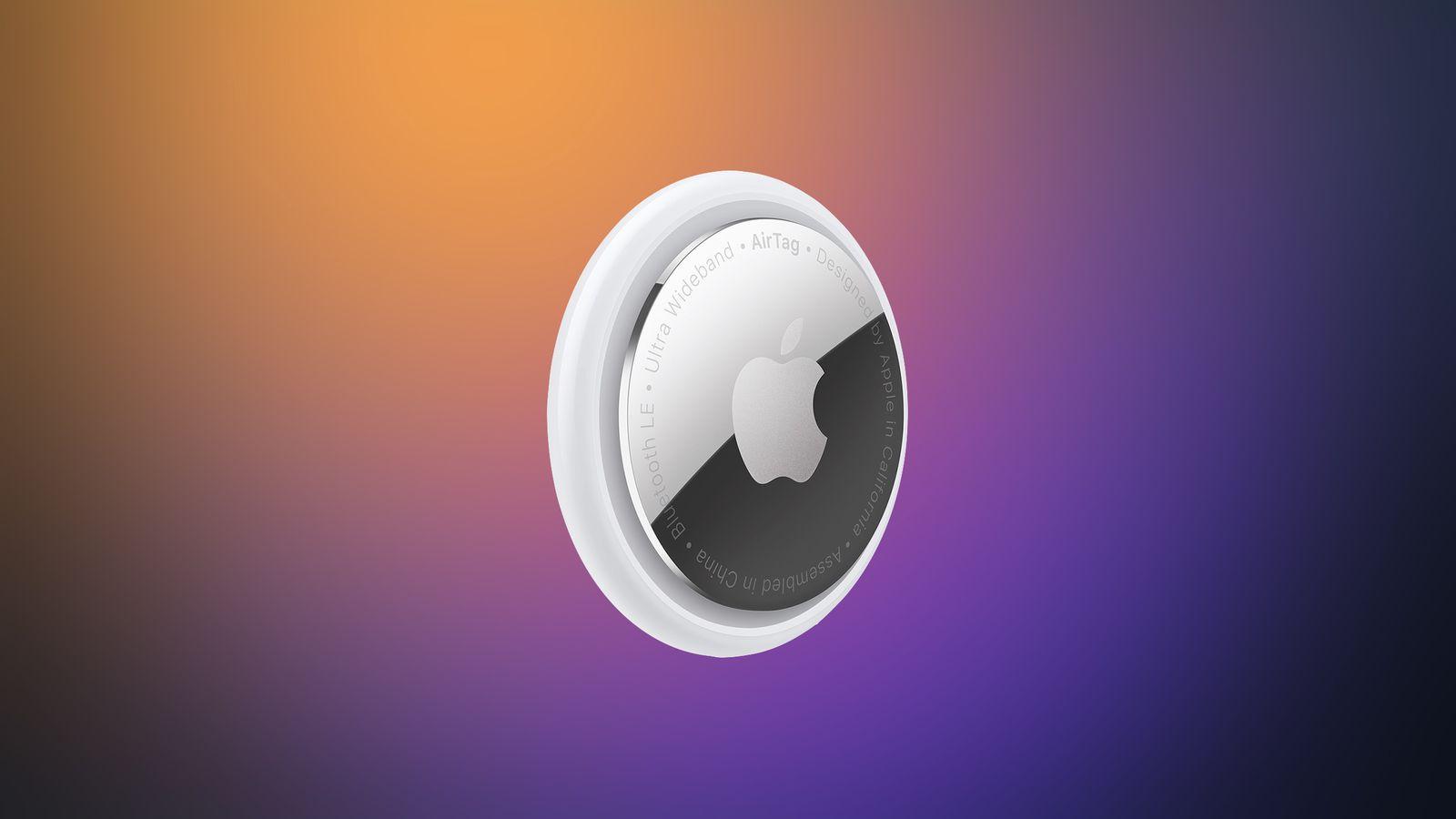
Core Insights - Apple is secretly developing an AI device resembling an Airtag, designed to be worn on the chest as a personal AI assistant, indicating a shift in focus from traditional smartphones to wearable AI technology [1][3][8] - The device is expected to feature dual cameras, a microphone, and a speaker, with a production plan for an initial batch of 20 million units, potentially bundled with the iPhone 19 series [3][5] - The AI PIN, a similar product from a design team formed by former Apple engineers, failed to gain traction, selling only about 1,000 units out of an initial plan for 100,000, highlighting the challenges in the AI wearable market [5][7][12] Product Development - The new AI device aims to address the shortcomings of the AI PIN, which was criticized for its limited functionality and high price point of $699 plus a $24 monthly subscription fee [7][12] - Apple is collaborating with Google to integrate the Gemini AI model, which may enhance the device's capabilities and address current limitations in voice interaction [9][11] - The company is exploring various AI hardware, including AI glasses and home devices, to regain market influence and adapt to changing consumer interaction preferences [8][9] Market Context - The AI wearable market is evolving, with companies learning from the failures of products like the AI PIN, focusing on core functionalities that meet basic user needs [12][14] - Successful AI devices are expected to provide significant, irreplaceable capabilities that change user habits, such as continuous understanding of schedules and proactive assistance [14] - Apple's exploration of AI wearables is seen as a strategic move to secure its position in the market and prepare for future shifts in user interaction with technology [11][12]