Air travel

Search documents
As oil prices rise, airfares are surging and some airlines might not survive
Yahoo Finance· 2026-03-28 10:00
Core Insights - The ongoing war in Iran is causing a significant increase in oil prices, which is leading to higher airfare and potential airline bankruptcies [1][2]. Airline Industry Impact - Airlines are facing increased jet fuel prices due to geopolitical tensions, with oil prices around $100 per barrel, forcing them to pass costs onto consumers [2]. - United Airlines could incur an $11 billion loss if oil prices remain high, with potential airfare increases of 20% [2]. - The situation is reminiscent of the pandemic in 2020, where demand plummeted, and airlines may not survive if oil prices reach $175 per barrel [3]. Budget Airlines Vulnerability - Budget airlines are particularly at risk due to their thin profit margins and reliance on high customer volumes [3][4]. - Spirit Airlines, which recently filed for bankruptcy, has already cut several routes, indicating its vulnerability to rising costs [4]. Fuel Pricing Strategies - Airlines employ fuel hedging strategies to manage costs, but the impact of rising fuel prices will vary by airline [5]. - United Airlines has prepared for industry shocks and is adjusting pricing to reflect fuel costs, indicating a proactive approach to the current challenges [6][8]. Regional Fuel Price Variations - Jet fuel prices vary significantly by location, with California experiencing higher costs; for example, Type A jet fuel was priced at $12.72 per gallon at Los Angeles International Airport [8].
United Airlines warns airfares could jump 20% as oil prices continue to surge
Fox Business· 2026-03-24 19:06
Core Viewpoint - United Airlines warns that airfares could increase by up to 20% if jet fuel prices remain high due to the ongoing conflict in Iran, which has led to a spike in oil prices [1][5][7] Group 1: Airfare and Fuel Costs - The airline anticipates that consumer demand for air travel may soften if higher fuel prices continue to drive ticket prices up [1] - United Airlines has already cut 5% of its capacity on unprofitable routes to manage costs associated with higher fuel prices, although demand remains strong for now [2][4] - If oil prices stay elevated, it could result in an $11 billion expense for United, necessitating a 20% increase in airfares to break even [7] Group 2: Oil Price Forecast - The CEO forecasts that oil prices could rise to $175 per barrel and remain above $100 per barrel through the end of next year, which he considers a reasonable outlook [5] - A surge in oil prices to the peak of this forecast would be a "stress event" for the airline industry, but not as severe as the impact of COVID-19 [5] Group 3: Financial Strategy - United Airlines has focused on maintaining margins and has tripled its cash reserves as an alternative to hedging against fuel costs, which is challenging due to the company's size [6][7] - The airline's airfares in 2025 are projected to be 2% lower than in 2019, despite a 25% increase in inflation, indicating that recent fare increases are partially addressing inflationary pressures [10]


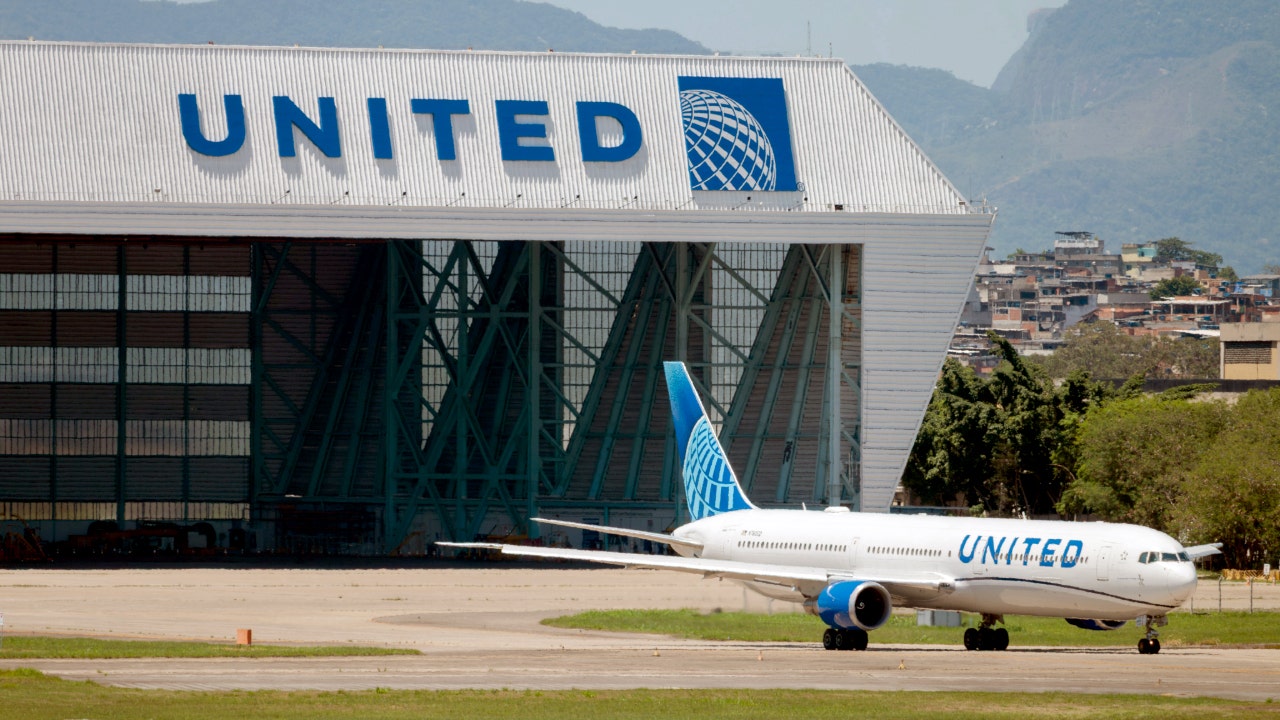
United CEO warns fares may have to rise 20% to cope with oil surge
Youtube· 2026-03-24 16:54
Price Increases and Demand - Airfares have increased by 15% to 20% in recent weeks, which covers only 50% to 60% of the inflationary increase [1] - There is an expectation of reduced demand for air travel as prices rise, leading to a planned capacity cut of 5% [1] Oil Prices Impact - Current oil prices are resulting in an additional expense of $11 billion for the company, necessitating a 20% increase in prices to break even [2]
American Airlines Group (NASDAQ:AAL), Alaska Air Group (NYSE:ALK)
Benzinga· 2026-03-23 12:29
Group 1: Market Impact - Airline and cruise stocks experienced a significant boost as WTI crude oil futures dropped over 10% to approximately $88.50 per barrel, benefiting the travel sector as energy costs decreased [1] - Lower crude prices are expected to enhance profit margins for carriers, as fuel is one of their largest overhead expenses [1] Group 2: Geopolitical Developments - President Donald Trump indicated a de-escalation in tensions by announcing a five-day military pause on planned U.S. strikes against Iranian energy infrastructure, which contributed to the market recovery [2] - Recent discussions between U.S. and Iranian officials were described as "very good and productive," leading to the military pause that provided immediate relief to the market [3][4] Group 3: Diplomatic Efforts - The U.S. administration is reportedly exploring a conflict exit strategy, with advisers preparing for diplomatic negotiations, pressing Iran to meet six specific conditions, including halting missile programs and ending uranium enrichment [4]

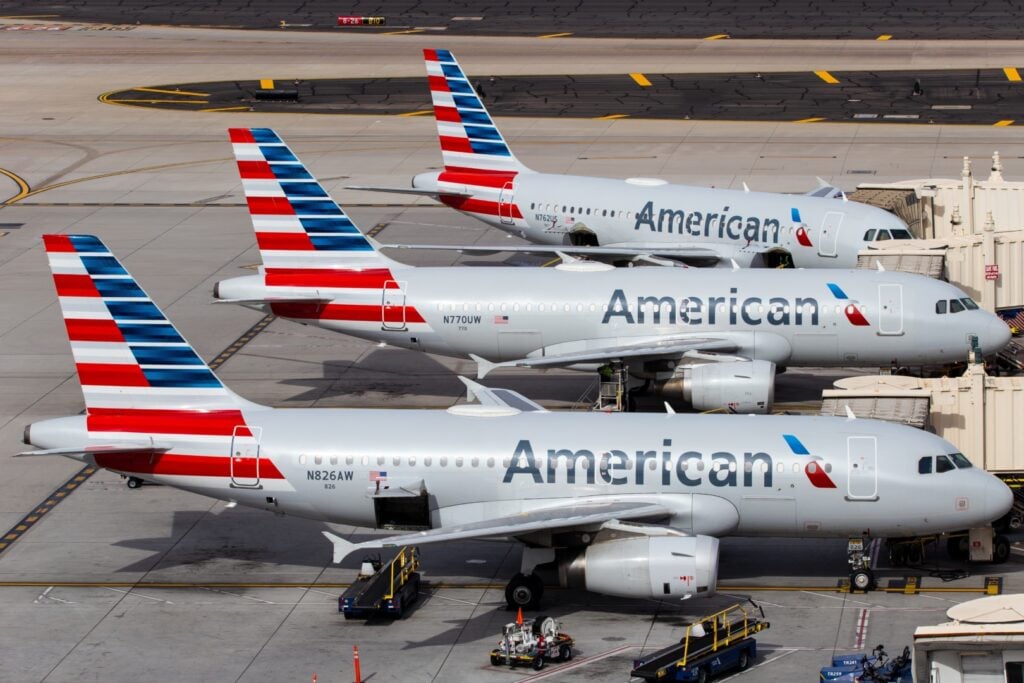
K-Shaped Buffer Helps Delta Soar Above Airline Industry’s Fuel Price Woes
Yahoo Finance· 2026-03-18 04:01
Core Insights - Delta Airlines and American Airlines have raised their revenue forecasts due to strong demand, with Delta expecting high-single-digit growth and American Airlines projecting over 10% year-over-year revenue growth in Q1 [1][2] Group 1: Airline Performance - Delta Airlines is experiencing strength across all segments, particularly focusing on high-income customers in the 'K-shaped' economy, which is positively impacting its performance [3][4] - American Airlines has also increased its guidance, now expecting record revenue growth of more than 10% in its first quarter, up from a previous forecast of around 8.5% [1] Group 2: Market Dynamics - The closure of the Strait of Hormuz due to geopolitical tensions is affecting oil supply, yet airlines like Delta and American Airlines are benefiting from customers willing to pay higher prices [1][2] - Alaska Airlines noted a spike in demand as travelers are eager to book flights before prices increase further, indicating a proactive consumer behavior in response to rising costs [2] Group 3: Competitive Landscape - Airlines targeting affluent customers are less affected by rising jet fuel prices compared to budget carriers, which are struggling with thinner margins and less flexible supply chains [4] - Budget airlines like Frontier and Spirit are facing significant challenges, with Spirit having filed for bankruptcy for the second time in less than a year [4] Group 4: Strategic Initiatives - Delta Airlines is concentrating new seat growth in premium cabins and expanding its premium lounge network to attract higher-income flyers [6]

Jet fuel prices and airfares are rising. Travelers are still booking flights, US airlines say
Yahoo Finance· 2026-03-17 23:54
Core Viewpoint - Major U.S. airlines are not anticipating a significant impact on quarterly profits despite rising jet fuel costs due to strong ticket sales and record bookings this year [1][3]. Group 1: Jet Fuel Costs - Jet fuel prices have surged since the onset of the war in the Middle East, with prices rising to $3.93 per gallon from $2.50 prior to the conflict, resulting in approximately $400 million in additional costs for Delta Airlines alone [2][3]. - The increase in jet fuel prices is attributed to strained global oil supplies, particularly around the Strait of Hormuz, affecting one-fifth of the world's oil supply [2]. Group 2: Airline Performance - Delta Airlines reported that eight of its top ten days for ticket sales occurred this year, with five of those days since the war began, indicating strong demand across all market segments [4]. - United Airlines experienced its top ten weeks for ticket sales in the first ten weeks of the year, with the last two weeks being the strongest on record [4]. - American Airlines also noted that eight of its best ten days and weeks for bookings happened this year, with expectations of continued high demand through April and May [5]. Group 3: Future Pricing Trends - Industry analysts predict that airfares will inevitably rise due to higher fuel costs, particularly affecting long-haul international routes that consume more fuel [6]. - Non-U.S. carriers have already implemented fuel surcharges or increased ticket prices, while U.S. airlines are more likely to incorporate these costs into base fares or adjust fees for additional services [7].
Airlines Stocks Jump. Higher Jet Fuel Prices May Not Be a Problem.
Barrons· 2026-03-17 20:43
Core Viewpoint - Major U.S. airlines, including Delta Air Lines and American Airlines, have raised their revenue guidance despite rising jet fuel prices and geopolitical tensions in Iran, indicating a positive outlook for the industry [2]. Group 1: Airline Performance - Delta Air Lines, American Airlines Group, and United Airlines saw their stock prices increase following an industry conference where they updated their financial guidance [2]. - The conflict in Iran is perceived to potentially benefit the airlines' outlook, suggesting resilience in their business models despite external pressures [2]. Group 2: Market Reactions - The rise in stock prices for these airlines reflects investor confidence in their ability to navigate challenges, including higher operational costs due to jet fuel price increases [2].

Airline stocks rise as Delta, JetBlue signal strong demand despite oil spike
Invezz· 2026-03-17 13:26
Core Viewpoint - Airline stocks have risen as major US carriers report strong travel demand, which is helping to mitigate the impact of rising fuel costs due to geopolitical tensions in the Middle East [1][2]. Airline Performance - Delta Air Lines reported that travel demand remains robust, with both corporate and leisure segments showing strength, leading to a nearly 5% increase in its shares during premarket trading [2]. - JetBlue Airways and Frontier Airlines also saw gains of about 2% and 3%, respectively, while American Airlines and Southwest Airlines rose approximately 4% and 3% [2]. - The sector had previously experienced a selloff due to concerns over profitability from higher oil prices, but has begun to stabilize as oil prices eased slightly [3][11]. Revenue Outlook - Delta raised its first-quarter revenue growth outlook to the high-single-digit percentage range, up from an earlier forecast of 5% to 7% [4][5]. - American Airlines now expects year-over-year sales growth of over 10%, an increase from its previous guidance of 7% to 10% [5]. - JetBlue also increased its unit revenue growth expectations for the quarter to 5% to 7%, up from flat to 4% [8]. Cost Pressures - Despite strong demand, airlines are facing rising operational costs due to increased jet fuel prices, which have surged more than 50% since late February, reaching between $150 and $200 per barrel [13]. - Fuel costs typically account for 20% to 25% of operating expenses, raising concerns about profit margins as the summer travel season approaches [14]. Pricing Power - Investors are closely monitoring whether airlines can pass on higher fuel costs to consumers through fare increases without negatively impacting demand [15]. - Airlines generally maintain about two weeks of fuel inventory, providing a short-term buffer against price spikes, but the long-term impact remains uncertain if elevated fuel costs persist [16].



Airlines Offer Glimpse Into Operations as Middle East Conflict Weighs on Fuel Prices
Yahoo Finance· 2026-03-17 12:55
Group 1: Airline Performance and Revenue Outlook - Delta Air Lines has raised its revenue target for the first quarter to between $15 billion and $15.3 billion, reflecting a year-over-year increase of 6.8% to 9% from $14.04 billion, despite a decrease from the previous quarter's forecast of $16 billion [3] - American Airlines anticipates a revenue increase of over 10% for the first quarter, driven by commercial initiatives and strong demand, although it expects to report an adjusted quarterly loss at the lower end of its previous guidance of 10 cents to 50 cents per share due to rising fuel costs [5] - JetBlue Airways has noted an improvement in first-quarter travel demand but is facing challenges from rising fuel prices and operational disruptions affecting costs [6] Group 2: Cost Management and Capacity Adjustments - Delta is focusing on maintaining capacity flexibility to manage the impact of elevated fuel prices, with non-fuel unit costs expected to rise in the mid-single digits due to lower capacity and higher operating costs [2][4] - Delta's domestic and international unit revenue is growing in the mid-single digits compared to last year, although capacity growth has been impacted by winter storms [4][8] - American Airlines has forecasted a 3% to 4% increase in available seat miles for the first quarter, slightly down from the previous estimate of 3% to 5% [6] Group 3: Market Reactions - Shares of Delta Air Lines increased by 5% to $63.88, while American Airlines rose by 4.3% to $10.91 in premarket trading [1]
Iran war exposes cracks for airlines that connect the world
The Economic Times· 2026-03-12 04:40
Core Insights - The ongoing conflict in the Middle East has severely disrupted global air travel, particularly affecting routes between Europe and Asia, leading to increased travel costs and longer flight times [1][10] - The closure of airspace in conflict zones and the impact on oil supply chains have resulted in significant operational challenges for airlines, prompting fare hikes and changes in demand patterns [5][9] Air Travel Disruptions - Airlines are facing logistical challenges due to the closure of airspace over conflict regions, with Azerbaijan limiting air traffic to a narrow corridor of about 50 miles, adding hours to some flights, especially from India [2][1] - Over 46,000 scheduled flights to and from the Middle East were canceled between February 28 and March 11, stranding thousands of passengers [10] Fuel Price Impact - The conflict has led to the effective shutdown of the Strait of Hormuz, causing major Gulf oil producers to cut production and driving up crude oil prices, which in turn has increased operational costs for airlines [5][6] - Airlines are implementing fuel surcharges to cover rising costs, with some carriers panic buying oil derivatives contracts to mitigate price volatility [6][7] Market Reactions - The global airline market has seen a decline, with Bloomberg's World Airlines Index falling over 11% since the onset of the conflict, resulting in billions of dollars lost in market capitalization [8] - Airlines' hedging practices vary significantly, with some carriers like Cathay Pacific hedging about 30% of their expected near-term fuel consumption, while others remain highly exposed to fuel price fluctuations [7] Shifts in Demand - High oil prices and safety concerns are reshaping travel demand, with passengers likely to reconsider long-haul trips through the Middle East in favor of closer, cheaper holiday options [9] - European and Asian airlines are seizing the opportunity to regain market share lost to Gulf carriers, with increased flight frequencies and capacity adjustments to accommodate rising demand [13][15]