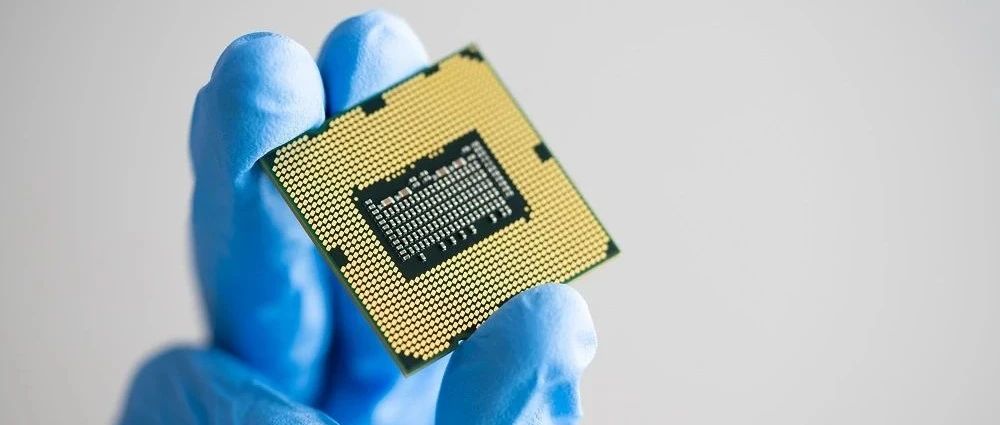
Ampere Altra

Search documents
软银股价单日暴涨超11%! 市场愈发认可孙正义“AI雄心壮志”
美股IPO· 2026-02-11 00:40
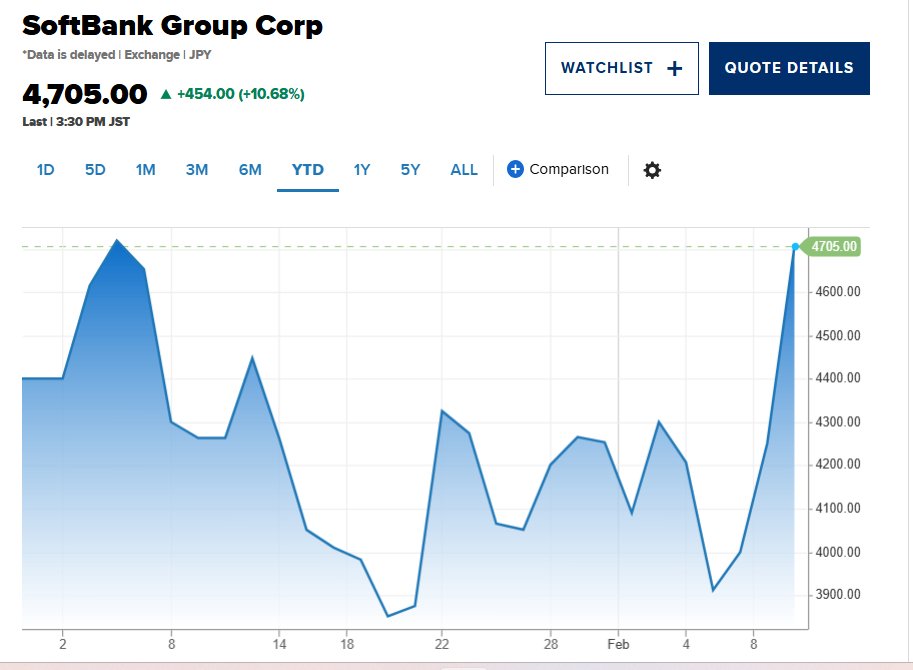
Core Viewpoint - SoftBank Group Corp. has seen a significant stock price increase of over 11% following an upward revision of its full-year profit forecast for its telecom division, reflecting growing optimism about its investments in AI and ARM Holdings [1][3][10]. Group 1: Financial Performance - SoftBank Corp's revenue for the first nine months of fiscal 2025 exceeded expectations, growing by 8% year-on-year to a record 5.2 trillion yen, with operating profit also rising by 8% to 884 billion yen [3][4]. - The full-year revenue forecast for SoftBank Corp has been raised from 6.7 trillion yen to 6.95 trillion yen, and the operating profit target has been significantly increased to 1.02 trillion yen [3][4]. Group 2: Strategic Investments - SoftBank's strategic investments in ARM Holdings, Graphcore, and Ampere Computing, along with a substantial investment in OpenAI, demonstrate a comprehensive approach from AI hardware architecture to AI application layers [3][12]. - The acquisition of Ampere, which focuses on cloud-native processors, enhances SoftBank's position in the AI computing infrastructure ecosystem [7][12]. Group 3: Market Position and Future Outlook - ARM Holdings is experiencing a surge in demand, with its data center-related royalty revenue growing over 100% year-on-year, indicating a shift towards data center business surpassing mobile chip business [6][8]. - The ARM architecture is becoming a foundational element in AI cloud infrastructure, with major companies like Amazon, Google, and Microsoft adopting ARM-based processors for their data centers [9][10]. - SoftBank's founder, Masayoshi Son, aims to position the company as a key player in the global AI landscape, leveraging its significant stakes in ARM and other AI-related companies to capitalize on the AI investment wave [10][11].


软银股价单日暴涨超11%! 市场愈发认可孙正义“AI雄心壮志”
智通财经网· 2026-02-10 07:25
Core Viewpoint - SoftBank Group Corp. experienced a significant stock price increase of over 11% following an upward revision of its full-year profit forecast for its telecommunications division, reflecting growing optimism around its investments in AI and ARM Holdings [1][2][10]. Financial Performance - SoftBank Corp., the telecommunications subsidiary, reported a record revenue of 5.2 trillion yen for the first nine months of fiscal 2025, an 8% increase year-over-year, and raised its full-year revenue outlook from 6.7 trillion yen to 6.95 trillion yen [4]. - Operating profit also rose by 8% to 884 billion yen, with the company adjusting its strategy to prioritize long-term profitability over subscriber growth [4]. Investment Strategy - SoftBank's investments in ARM Holdings, Graphcore, and Ampere Computing demonstrate a comprehensive strategy from AI hardware architecture to AI application layers, reinforcing its position in the AI infrastructure ecosystem [2][12]. - The acquisition of Ampere, which focuses on cloud-native processors, complements SoftBank's existing holdings and aims to create a powerful ARM architecture server CPU ecosystem [7][10]. Market Sentiment - The market's positive sentiment towards SoftBank's AI ambitions is reflected in the stock price surge, indicating increasing recognition of its long-term strategic vision [2][11]. - Analysts note that the strong rebound in ARM Holdings' stock price has provided additional momentum for SoftBank's share price recovery [4]. AI Infrastructure Development - ARM's architecture is becoming a critical foundation for AI cloud infrastructure, with significant growth in data center-related royalty revenues, expected to surpass mobile chip business in the coming years [6][9]. - The efficiency of ARM-based CPUs in executing AI tasks positions them favorably against traditional x86 architectures, enhancing their appeal for data center applications [9].

软银(SFTBY.US)AI硬件宏图添关键资产!65亿美元收购Ampere落定
智通财经网· 2025-11-26 06:53
Core Viewpoint - SoftBank Group has completed the acquisition of US chip startup Ampere Computing for $6.5 billion, enhancing its position in the AI hardware sector [1][2] Group 1: Acquisition Details - The acquisition of Ampere Computing makes it a wholly-owned subsidiary of SoftBank Group, with its financial performance to be included in SoftBank's consolidated financial statements from the acquisition date [1] - Following the announcement, SoftBank's stock price rose by 8% in early trading on the Tokyo Stock Exchange [1] Group 2: Company Background - Ampere Computing was founded in 2018 by former Intel president Renee James and focuses on developing data center server chips based on Arm architecture, aiming to challenge the x86 ecosystem [1] - The company has launched the Ampere Altra and Ampere Altra Max cloud-native processors, which are already in use in seven major global data centers [1] Group 3: Strategic Implications - SoftBank, already a major shareholder in Arm, aims to leverage its holdings in Arm, Ampere, and Graphcore to regain control over key technologies in the global AI computing infrastructure ecosystem [2] - The acquisition significantly strengthens SoftBank's business layout in AI computing infrastructure, creating a vertical integration of instruction set architecture, CPU, and accelerator chips [2] Group 4: Vision of Leadership - SoftBank founder Masayoshi Son is focused on his "AI super blueprint," aiming to capitalize on the global AI wave for substantial investment returns [3] - The strategy includes a $500 billion project called "Stargate" in collaboration with OpenAI, Oracle, and the Abu Dhabi Technology Investment Fund, alongside significant long-term investments in AI leaders like OpenAI and TSMC [3]
孙正义的AI帝国版图再扩张! 软银65亿美元吞下Ampere 联手ARM冲击x86霸权可期
智通财经网· 2025-11-18 03:26
Core Insights - The U.S. Federal Trade Commission (FTC) has concluded its antitrust review of SoftBank Group Corp.'s acquisition of Ampere Computing LLC, removing regulatory hurdles for the $6.5 billion deal [1] - This acquisition, along with SoftBank's existing ownership of Arm Holdings, positions SoftBank to create a significant ARM architecture server CPU ecosystem, aligning with its ambitions in AI infrastructure [1][5] - Ampere specializes in designing high-performance, low-power server CPUs for cloud computing and data centers, which are essential for AI data center operations [3] Company Overview - SoftBank is a major shareholder of Arm Holdings, owning nearly 90% of the company, which is pivotal in the consumer electronics and server CPU markets [2] - Ampere is a key customer of Arm's technology, focusing on cloud-native processors and sustainable AI compute solutions [2][3] Market Dynamics - The ARM architecture is increasingly being adopted in AI data centers, with notable examples including NVIDIA's Grace CPU and Amazon's Graviton processors, showcasing its transition from mobile to AI cloud infrastructure [4] - ARM's architecture offers significant advantages in energy efficiency and performance for AI tasks compared to traditional x86 architectures, making it suitable for data center applications [4] Strategic Implications - The acquisition of Ampere enhances SoftBank's AI infrastructure capabilities, positioning its ARM architecture server CPUs as foundational elements in AI data centers [5] - With Ampere under its control, SoftBank aims to strengthen Arm's market share and influence in the AI data center sector, potentially capturing a significant portion of the x86 market [6] - SoftBank's strategy involves a vertical integration of its holdings in Arm, Ampere, and Graphcore to create a comprehensive AI hardware ecosystem [6] Vision and Future Outlook - SoftBank's founder, Masayoshi Son, envisions the company playing a central role in the global AI landscape, akin to NVIDIA, leveraging its investments in AI and data center technologies [7]

一家芯片“新”巨头,横空出世
半导体行业观察· 2025-08-21 01:12
Core Viewpoint - SoftBank, under the leadership of Masayoshi Son, is strategically positioning itself to become the world's leading provider of Artificial Super Intelligence (ASI) by investing heavily across the AI and semiconductor value chain, from IP to application layers [5][10][37]. Group 1: Historical Context and Vision - Masayoshi Son's journey began in 1975 when he was inspired by a microcomputer chip photo, which ignited his lifelong commitment to technology and innovation [6][9]. - In the 2025 fiscal year report, Son articulated a new strategic goal for SoftBank: to become the foremost ASI platform provider, emphasizing the belief in the eventual emergence of intelligence surpassing human capabilities [9][10]. Group 2: Strategic Investments - SoftBank has made significant investments in various companies to build a comprehensive AI and semiconductor ecosystem, including a $20 billion investment in Intel, becoming one of its top shareholders [13]. - The Stargate project, in collaboration with OpenAI and Oracle, aims to construct large-scale data centers for AI infrastructure, with an estimated investment of up to $500 billion [14]. - SoftBank led a $40 billion financing round for OpenAI, indicating its commitment to both infrastructure and application layers in the AI stack [16][19]. - The acquisition of Ampere for $6.5 billion aims to fill gaps in SoftBank's CPU capabilities, enhancing its position in the cloud computing and AI inference markets [20]. - The purchase of Graphcore, a struggling AI chip company, allows SoftBank to diversify its AI accelerator technology portfolio [21]. Group 3: Capital Map and Ecosystem Integration - SoftBank is constructing a capital map that integrates various components of the AI and semiconductor ecosystem, from IP (Arm) to CPUs (Ampere) to AI accelerators (Graphcore) and manufacturing (Intel Foundry) [23]. - The strategy involves creating a closed-loop system that connects upstream IP with downstream applications, thereby enhancing SoftBank's influence in the AI sector [27][28]. Group 4: Arm's Role and Future Prospects - Arm remains a crucial asset for SoftBank, with the company holding approximately 90% of Arm's shares post-IPO, which is pivotal for revenue generation through licensing and royalties [26][30]. - Arm's business model, characterized by long-term benefits from initial licensing, positions it well for sustained revenue growth, particularly in emerging markets like AI and cloud computing [30][31]. - The potential development of proprietary chips by Arm could further solidify its position in the data center market, although it presents challenges and risks [31][32]. Group 5: Competitive Landscape - SoftBank's approach contrasts with Nvidia's vertical integration strategy, as it seeks to leverage capital to control various segments of the AI and semiconductor landscape without focusing solely on in-house development [34][35]. - Unlike cloud giants like Microsoft and Amazon, which emphasize self-developed chips and infrastructure, SoftBank aims to reorganize production factors across the ecosystem, culminating in applications like OpenAI [35][36].