Amvuttra(Vutrisiran)

Search documents
战火升级,小核酸药物剧变中的全球战局
3 6 Ke· 2026-01-19 03:47
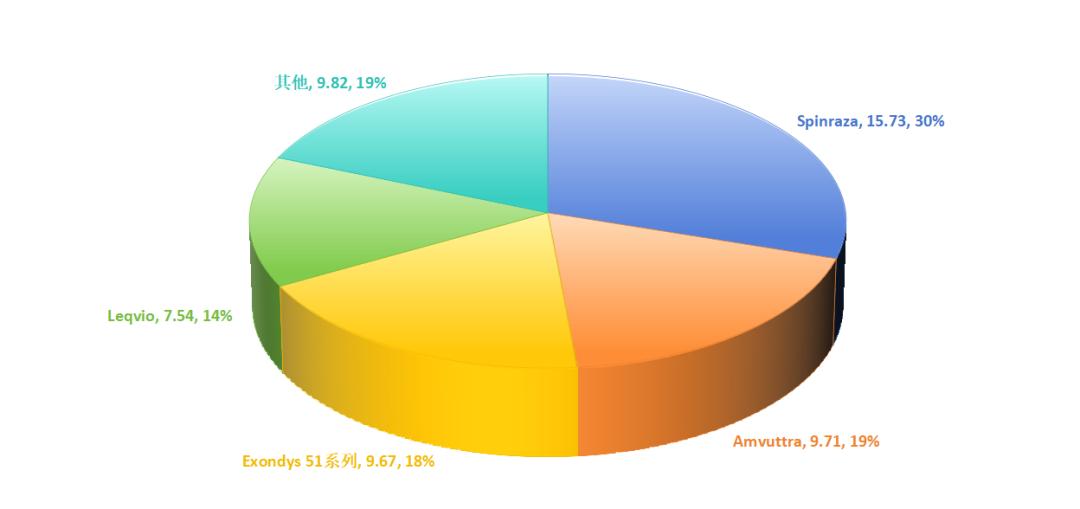
Core Insights - The small nucleic acid drug sector in China is entering a "capital year" in 2026, with increasing market interest and significant transactions, such as the successful IPO of Rebio and the acquisition of Hegia Biotech by China National Pharmaceutical Group for 1.2 billion yuan [1] - The global small nucleic acid drug market is characterized by a "three strong" dominance, with Alnylam, Ionis, and Sarepta leading the industry due to their technological barriers and commercialization advantages [1][5] - The market for small nucleic acid drugs is projected to grow from $5.247 billion in 2024 to $46.7 billion by 2033, with a compound annual growth rate (CAGR) of 25% [10] Market Dynamics - In 2024, global sales of small nucleic acid drugs reached $5.247 billion, with Ionis and Biogen's Spinraza leading at $1.573 billion, followed by Alnylam's Amvuttra at $0.971 billion and Sarepta's DMD treatments at $0.967 billion [2] - The current landscape features two main technological routes: Antisense Oligonucleotides (ASO) and small interfering RNA (siRNA), each with distinct mechanisms and advantages [4][7] - Alnylam has established itself as a leader in RNAi therapy, with a high clinical conversion rate of 64.3%, significantly above the industry average of 5.7% [7] Competitive Landscape - Ionis focuses on ASO technology, having launched the first ASO drug in 1998 and currently holding nine of the twelve approved ASO drugs globally, including the top-selling Spinraza [7][8] - Sarepta has specialized in muscle diseases, particularly DMD, with four approved drugs and a revenue growth of over 50% in 2024, reaching $1.9 billion [9] - The competitive landscape is evolving, with multinational corporations (MNCs) increasingly entering the market through acquisitions and collaborations, reflecting a growing interest in the sector [16][19] Emerging Opportunities - The market is entering a commercialization phase, with potential blockbuster products needed to transition from niche to mainstream [10] - Alnylam's Amvuttra and Novartis's Leqvio are identified as strong candidates for future blockbuster status, with Amvuttra projected to exceed $2 billion in sales by 2025 [12][13] - New products like Arrowhead's Plozasiran and Alnylam's Zilebesiran are expected to broaden the treatment landscape, moving from rare diseases to more common conditions [15] Strategic Movements - MNCs are actively pursuing partnerships and acquisitions to enhance their presence in the small nucleic acid space, with notable transactions in 2025 exceeding $36.473 billion [16][18] - Companies like Novartis are building comprehensive pipelines across various therapeutic areas, including cardiovascular and rare diseases, to strengthen their competitive position [18] - Chinese biotech firms are emerging as significant players, leveraging unique delivery technologies and cost advantages, leading to increased collaborations with MNCs [19][20]