RBD4059

Search documents
瑞博生物-首次覆盖给予买入评级-siRNA 药物开发领域的先驱,具备全球雄心
2026-03-06 02:02
Summary of Suzhou Ribo Life Science (6938.HK) Conference Call Company Overview - **Company**: Suzhou Ribo Life Science - **Ticker**: 6938.HK - **Industry**: siRNA Drug Development Key Points Industry and Market Potential - The global oligonucleotide drug market is projected to grow from **US$5.7 billion in 2024** to **US$54.9 billion by 2034**, with a CAGR of **29.4% from 2024 to 2029** and **21.6% from 2029 to 2034** [28][29] - siRNA drugs are expected to capture a greater market share, outpacing other oligonucleotide modalities [28] Company Strengths - Ribo is a pioneer in siRNA technology with a robust pipeline of **seven in-house discovered drug assets** in clinical trials targeting cardiovascular, metabolic, renal, and liver diseases [12][3] - Proprietary delivery technologies, including **RiboGalSTARTM**, enhance targeting specificity and safety, positioning Ribo as a leader in siRNA therapeutics [25][26] - Collaborations with major pharmaceutical companies, including **Boehringer Ingelheim** and **Madrigal**, with total deal value exceeding **US$6.0 billion** [4][26] Key Products - **RBD4059**: A potential first-in-class FXI-targeting siRNA drug for thrombotic diseases, with estimated peak sales potential of **US$6.8 billion** [2][15] - **RBD5044**: A potential best-in-class APOC3-targeting siRNA for hypertriglyceridemia, showing competitive triglyceride-lowering efficacy [21] - **RBD1016**: A promising siRNA candidate for chronic hepatitis B (CHB) and coronary heart disease (CHD), with favorable safety and efficacy profiles [22][23] Financial Overview - **2023 Net Profit**: -RMB 428 million - **2024 Net Profit**: -RMB 270 million, with an expected EPS growth of **36.9%** [5][9] - **Target Price**: HK$102, representing an expected share price return of **73.5%** [6][11] Clinical Development and Efficacy - RBD4059 has shown a **dose-dependent reduction** in FXI activity, with maximum percentage changes from baseline of **67.5% to 91.6%** across different dosing cohorts [37] - The phase 2a trial for RBD4059 is expected to complete by the end of **2025** [35] Risks and Challenges - Key risks include potential R&D failures, slower-than-expected product launches, competition, and historical lack of profitability [4][11] Conclusion - Suzhou Ribo Life Science is positioned as a leader in the siRNA therapeutic space with significant growth potential driven by innovative products and strategic collaborations. The company faces challenges typical of biotech firms, including the need for successful clinical outcomes and market acceptance.
瑞博生物-B(06938):平台筑壁垒,管线创未来
Shenwan Hongyuan Securities· 2026-03-05 06:24
Investment Rating - The report assigns a "Buy" rating for RiboBio-B (06938) as a first-time coverage [1][7]. Core Insights - RiboBio focuses on the development and industrialization of small nucleic acid drugs, being one of the pioneers in this field. The company has established a fully integrated research and development platform for small nucleic acid drugs, covering various chronic diseases such as cardiovascular, metabolic, kidney, and liver diseases [5][17]. - The small nucleic acid drug industry is entering a period of explosive growth, with a projected compound annual growth rate (CAGR) of 29.4% from 2024 to 2029, driven by advancements in delivery technology and the expansion of indications from rare diseases to chronic diseases [27][28]. - RiboBio's differentiated pipeline includes RBD4059, which targets FXI for thrombotic diseases, RBD5044 for dyslipidemia, and RBD1016 for hepatitis B functional cure, showcasing the company's potential to meet unmet clinical needs [32][46]. Financial Data and Profit Forecast - The company is expected to generate revenues of RMB 143 million in 2024, with a projected growth to RMB 350 million in 2026 and 2027. The net profit attributable to ordinary shareholders is forecasted to be -RMB 270 million in 2024, improving to -RMB 133 million in 2026 [6][8]. - The target price for RiboBio is set at RMB 76.24, equivalent to HKD 86.08, indicating a potential upside of 46% from the market capitalization as of March 4, 2026 [7][8]. Pipeline and Market Opportunities - RiboBio has a robust pipeline with over 20 preclinical drugs and 7 clinical drugs, including 4 in Phase II trials. The core pipeline targets chronic diseases, addressing significant unmet clinical needs [30][31]. - RBD4059 is positioned as the world's first clinical-stage siRNA drug for thrombotic diseases, with a significant market potential as the global anti-thrombotic market is expected to reach USD 59.3 billion by 2024 [32][33]. - RBD5044 aims to address the unmet needs in the dyslipidemia market, which is projected to grow from USD 24 billion in 2019 to USD 35.3 billion by 2029 [46][49]. Key Assumptions and Catalysts - The revenue for 2025-2027 is primarily expected to come from business development (BD) licensing income, with significant milestone payments anticipated from collaborations with partners like Boehringer Ingelheim and Qilu Pharmaceutical [8][9]. - Key clinical data releases for RBD4059, RBD5044, and RBD1016, as well as new licensing agreements with overseas companies, are expected to act as catalysts for stock price performance [10].
FXI/FXIa抑制剂行业研究报告:从靶点到管线,FXI引领抗凝产业新变革
GUOTAI HAITONG SECURITIES· 2026-02-25 05:20
Investment Rating - The report assigns an "Overweight" rating for the industry [1] Core Insights - The demand for antithrombotic drugs is expanding, driven by the increasing prevalence of thrombotic diseases, particularly due to aging populations and rising cardiovascular disease rates. The global market for antithrombotic drugs reached $52.9 billion in 2023 and is expected to exceed $110 billion by 2033, with a compound annual growth rate (CAGR) of 7.7% from 2023 to 2033 [10][19] - The next generation of anticoagulants is on the horizon, with a focus on drugs targeting Factor XI (FXI) to provide effective anticoagulation with lower bleeding risks. Multiple FXI inhibitors are currently in clinical development, indicating a significant shift in the anticoagulation landscape [3][25] - The report highlights the competitive landscape for FXI inhibitors, which include small molecules, monoclonal antibodies, and siRNA therapies, all aiming to balance efficacy and safety in anticoagulation treatment [30][36] Summary by Sections 1. Expansion of Antithrombotic Drug Market - Thrombotic diseases are a leading cause of death globally, with an estimated 26.7 million cases in 2024, projected to rise to 29.1 million by 2034. Risk factors include aging, obesity, and metabolic disorders [9][10] - The global antithrombotic drug market is projected to grow from $52.9 billion in 2023 to $110.6 billion by 2033, with a CAGR of 7.7% [10][19] 2. Upgrade Window for Anticoagulants - The anticoagulant market is expected to grow from $28 billion in 2020 to $33 billion in 2024, with a CAGR of 4.2%. The Chinese market is also rapidly developing, projected to reach $9 billion by 2024 [15][19] 3. FXI Opens a New Era in Anticoagulation - FXI inhibitors are seen as ideal targets for new anticoagulants due to their ability to reduce thrombotic events without significantly increasing bleeding risks. Current research shows that individuals with low FXI activity have a significantly reduced risk of thrombotic events [25][27] - Multiple FXI inhibitors are in advanced clinical stages, including small molecules like Asundexian and monoclonal antibodies like Abelacimab, indicating a robust pipeline for future anticoagulant therapies [30][32]

小核酸赛道,挤满了下一代大药
Ge Long Hui· 2026-01-26 21:06
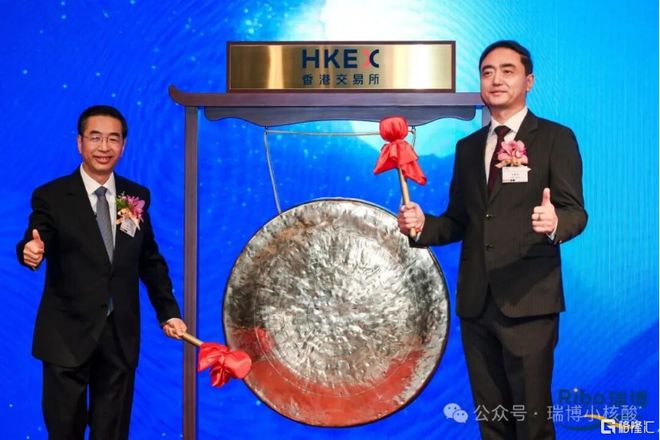
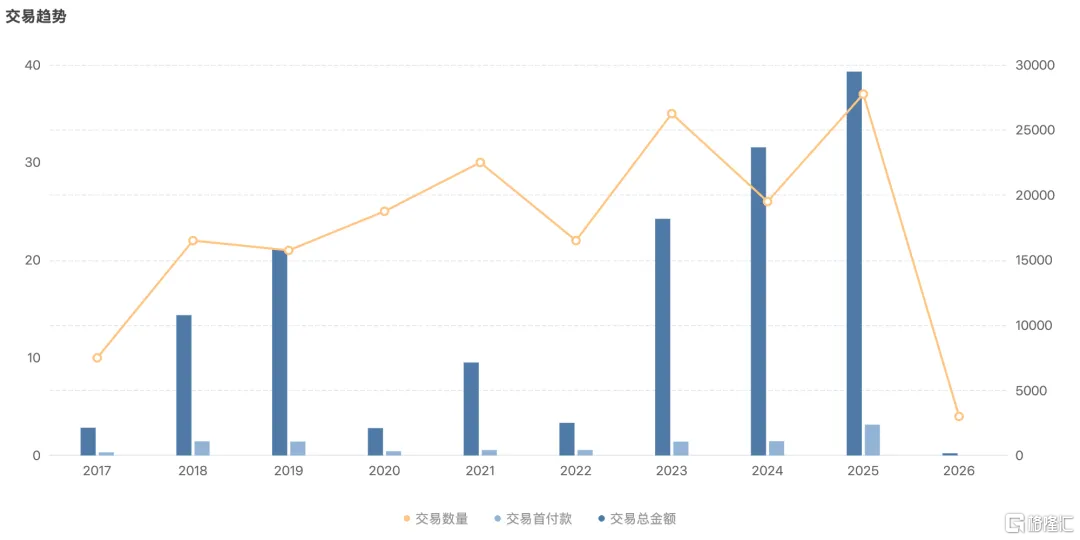
Core Insights - The small nucleic acid drug sector is experiencing a significant surge, marking the beginning of a golden era driven by technological breakthroughs and capital enthusiasm [2][11][22] Industry Developments - On January 5, 2026, Sanofi's APOC3 siRNA drug Plozasiran was approved for domestic market use to treat hyperlipidemia [1] - On January 9, 2026, Rebio Biotech, known as "China's first small nucleic acid stock," successfully listed on the Hong Kong Stock Exchange, with its stock price soaring by 40% on the first day, leading to a market capitalization exceeding 13 billion HKD [1] - China National Pharmaceutical Group announced a 1.2 billion CNY acquisition of Hegia Biotech, securing the world's first clinically validated liver-targeted delivery platform capable of annual dosing [1] Market Trends - The global small nucleic acid drug market has seen nearly 100 business development (BD) collaborations in the past three years, with transaction numbers and amounts increasing annually, reaching over 30 BD deals in 2025 totaling nearly 30 billion USD [4][9] - Notable transactions in 2025 included Novartis acquiring Avidity Biosciences for 12 billion USD and multiple other significant deals involving RNA therapies [7][9] Clinical Advancements - Ionis's APOC3 ASO drug Olezarsen showed promising results in reducing triglyceride levels by up to 72% in patients with severe hypertriglyceridemia, leading to an increase in peak annual sales forecast from 1.5 billion USD to 2.5 billion USD [12] - GSK's ASO therapy Bepirovirsen is expected to be the first drug to achieve functional cure for chronic hepatitis B, with a peak annual sales potential of 2 billion USD [12] Emerging Opportunities - The small nucleic acid drugs are expanding into various therapeutic areas, including obesity and kidney diseases, with promising results from clinical trials demonstrating significant weight loss and metabolic health improvements [13][15] - The number of small nucleic acid drugs in development globally has surpassed 1,200, with siRNA and ASO therapies being the most prominent [17] Strategic Collaborations - Domestic companies are increasingly recognized for their innovative value in small nucleic acid drugs, with active BD transactions, including significant collaborations by Rebio Biotech and other firms [18][21] - Companies like Saintin Biotech are forming strategic partnerships with major pharmaceutical firms to advance their small nucleic acid drug pipelines [19] Conclusion - The convergence of technological advancements, capital influx, and successful clinical outcomes is propelling small nucleic acid drugs into a pivotal position within the pharmaceutical industry, with China poised to become a global innovation hub [22]




国信证券晨会纪要-20260121
Guoxin Securities· 2026-01-21 00:57
Macro and Strategy - The macroeconomic report indicates a recovery in China's economy with a monthly GDP growth of 4.5% in December 2025, an increase of 0.4 percentage points from the previous month [6][7] - The service sector is recovering faster than industrial production, with high-tech manufacturing showing significant growth compared to traditional industries [6] - The demand side shows a structural characteristic of weak domestic demand and strong external demand, with exports remaining a crucial support for the economy [7] Industry and Company Agriculture Industry - The report highlights a bullish outlook for cattle prices, indicating a potential reversal in the beef cycle, with prices for fattened cattle at 25.66 CNY/kg, up 0.59% month-on-month and 9.38% year-on-year [11][12] - The pig market is expected to stabilize, with prices at 12.69 CNY/kg, reflecting a week-on-week increase of 1.44% [11] - The poultry sector shows mixed signals, with chicken prices slightly increasing while egg prices are under pressure due to high supply levels [11][12] Banking Industry - The banking sector is facing challenges due to an expanding gap between deposits and loans, with the gap reaching approximately 58 trillion CNY in 2025, up from about 40 trillion CNY in 2019 [16][17] - The report suggests that banks need to diversify their middle business operations to address this issue, with smaller banks focusing on wealth management and larger banks enhancing their comprehensive service capabilities [17] - The forecast for 2026 indicates a significant reduction in the decline of net interest margins, suggesting a potential recovery in the banking sector's fundamentals [18] Pharmaceutical Industry - The pharmaceutical sector is underperforming compared to the overall market, with a reported decline of 0.68% in the biopharmaceutical sector [19] - The report notes the successful IPO of Rebio Biotech, which focuses on small nucleic acid drugs, and highlights its partnerships with major pharmaceutical companies, indicating strong growth potential in this niche [19][20] Tencent Holdings - Tencent is expected to report a revenue of 194.6 billion CNY for Q4 2025, a year-on-year increase of 13%, driven by stable growth in gaming and advertising sectors [20][21] - The company is increasing its investment in AI, which is anticipated to enhance its operational capabilities and support future growth [20][23] - The gaming segment is projected to generate 58 billion CNY in revenue, with strong performances from titles like "Honor of Kings" and "Peacekeeper Elite" [21][22]
医药生物周报:瑞博生物港交所上市,关注小核酸行业-20260120
Guoxin Securities· 2026-01-20 14:05
Investment Rating - The report maintains an "Outperform" rating for the pharmaceutical and biotechnology sector [4] Core Insights - The pharmaceutical sector underperformed the overall market this week, with a 0.68% decline in the biotechnology sector compared to a 0.03% increase in the overall A-share market [1] - The report highlights the successful listing of Rebio Biotech on the Hong Kong Stock Exchange, focusing on the small RNA industry and its potential [2] - Rebio Biotech has established a proprietary delivery platform, RiboGalSTAR, and has entered into commercialization partnerships valued at over $2 billion [2] - The core asset RBD4059, targeting FXI, is currently in clinical phase 2a studies in Sweden, showing promise in treating thrombotic diseases [2][21] Summary by Sections Market Performance - The overall A-share market increased by 0.03%, while the Shanghai Composite Index decreased by 0.57%. The biotechnology sector saw a decline of 0.68% [1][26] - Within the biotechnology sector, chemical pharmaceuticals fell by 2.40%, while medical services rose by 3.29% [1][26] Company Overview - Rebio Biotech focuses on small RNA drug development, with seven products in clinical research, four of which are in phase 2 trials [2][9] - The company has a strong management team with extensive experience in drug development and production [16][18] Financial Projections - The report provides earnings forecasts for key companies, with Rebio Biotech's core asset RBD4059 showing significant potential in the thrombotic disease market [3][21] - The report recommends investment opportunities in the CXO sector and highlights the clinical progress of innovative drugs overseas [2][36] Valuation Metrics - The TTM P/E ratio for the pharmaceutical and biotechnology sector is 38.70x, compared to 22.18x for the overall A-share market [31] - Specific sub-sectors show varying P/E ratios, with chemical pharmaceuticals at 47.60x and medical services at 36.15x [31]
医药生物周报(26年第2周):瑞博生物港交所上市,关注小核酸行业-20260120
Guoxin Securities· 2026-01-20 12:27
Investment Rating - The report maintains an "Outperform" rating for the pharmaceutical and biotechnology sector [4] Core Insights - The pharmaceutical sector underperformed the overall market, with a TTM P/E ratio of 38.70x, which is at the 84.85th percentile of the past five years [1][31] - The report highlights the recent IPO of RiboBio, a leading company in the small RNA drug development sector, which has established a proprietary delivery platform, RiboGalSTAR, focusing on cardiovascular, metabolic, renal, and liver diseases [2][9] - RiboBio has seven products in clinical research, with four advancing to Phase II trials, demonstrating the effectiveness and safety of its delivery system [2][17] Summary by Sections Market Performance - The overall A-share market increased by 0.03%, while the biopharmaceutical sector declined by 0.68%, with chemical pharmaceuticals dropping by 2.40% [1][26] - The report notes significant individual stock movements, with some companies experiencing substantial gains and others facing steep declines [26][30] Company Focus: RiboBio - RiboBio has formed strategic partnerships with Boehringer Ingelheim and Qilu Pharmaceutical, with a total transaction value exceeding $2 billion, validating the platform's value [2][17] - The core asset, RBD4059, is in Phase IIa trials in Sweden for treating thrombotic diseases, showing promising results in reducing thrombus formation without increasing bleeding risk [2][21] - RBD4059's clinical data indicates a significant reduction in FXI activity, with a maximum percentage change of 91.6% at the highest dosage [22] Investment Recommendations - The report suggests focusing on investment opportunities in the CXO sector and the clinical progress of innovative drugs overseas [2] - Specific companies recommended for investment include Mindray Medical, WuXi AppTec, and Aier Eye Hospital, all rated as "Outperform" [3][36]
战火升级,小核酸药物剧变中的全球战局
3 6 Ke· 2026-01-19 03:47
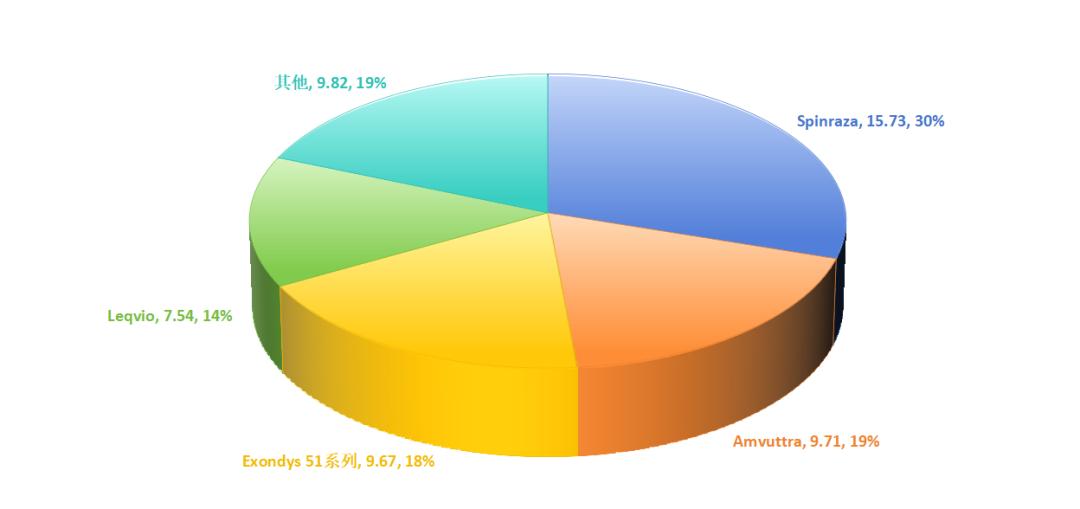
Core Insights - The small nucleic acid drug sector in China is entering a "capital year" in 2026, with increasing market interest and significant transactions, such as the successful IPO of Rebio and the acquisition of Hegia Biotech by China National Pharmaceutical Group for 1.2 billion yuan [1] - The global small nucleic acid drug market is characterized by a "three strong" dominance, with Alnylam, Ionis, and Sarepta leading the industry due to their technological barriers and commercialization advantages [1][5] - The market for small nucleic acid drugs is projected to grow from $5.247 billion in 2024 to $46.7 billion by 2033, with a compound annual growth rate (CAGR) of 25% [10] Market Dynamics - In 2024, global sales of small nucleic acid drugs reached $5.247 billion, with Ionis and Biogen's Spinraza leading at $1.573 billion, followed by Alnylam's Amvuttra at $0.971 billion and Sarepta's DMD treatments at $0.967 billion [2] - The current landscape features two main technological routes: Antisense Oligonucleotides (ASO) and small interfering RNA (siRNA), each with distinct mechanisms and advantages [4][7] - Alnylam has established itself as a leader in RNAi therapy, with a high clinical conversion rate of 64.3%, significantly above the industry average of 5.7% [7] Competitive Landscape - Ionis focuses on ASO technology, having launched the first ASO drug in 1998 and currently holding nine of the twelve approved ASO drugs globally, including the top-selling Spinraza [7][8] - Sarepta has specialized in muscle diseases, particularly DMD, with four approved drugs and a revenue growth of over 50% in 2024, reaching $1.9 billion [9] - The competitive landscape is evolving, with multinational corporations (MNCs) increasingly entering the market through acquisitions and collaborations, reflecting a growing interest in the sector [16][19] Emerging Opportunities - The market is entering a commercialization phase, with potential blockbuster products needed to transition from niche to mainstream [10] - Alnylam's Amvuttra and Novartis's Leqvio are identified as strong candidates for future blockbuster status, with Amvuttra projected to exceed $2 billion in sales by 2025 [12][13] - New products like Arrowhead's Plozasiran and Alnylam's Zilebesiran are expected to broaden the treatment landscape, moving from rare diseases to more common conditions [15] Strategic Movements - MNCs are actively pursuing partnerships and acquisitions to enhance their presence in the small nucleic acid space, with notable transactions in 2025 exceeding $36.473 billion [16][18] - Companies like Novartis are building comprehensive pipelines across various therapeutic areas, including cardiovascular and rare diseases, to strengthen their competitive position [18] - Chinese biotech firms are emerging as significant players, leveraging unique delivery technologies and cost advantages, leading to increased collaborations with MNCs [19][20]


新闻概要:瑞博生物强势进入港股生物技术快车道
BambooWorks· 2026-01-16 09:50
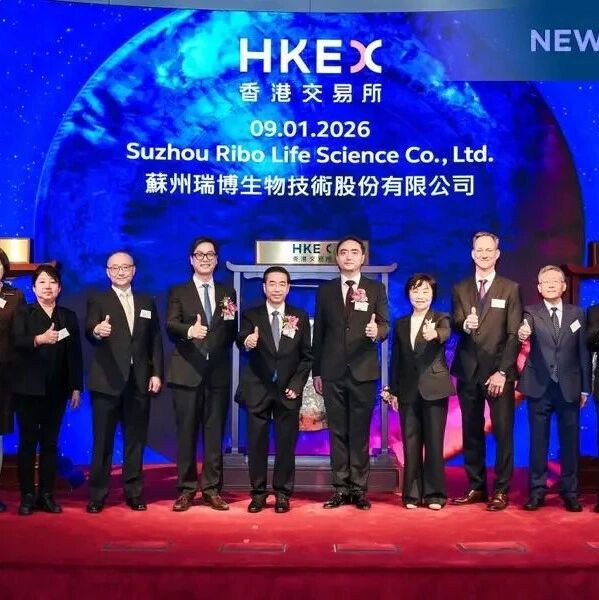
Core Viewpoint - Suzhou Rebio Biotech (6938.HK) has successfully listed on the Hong Kong Stock Exchange, marking the arrival of the first mRNA concept stock in the market and becoming a significant target for investors looking to enter the mRNA sector [1][3]. Group 1: IPO Details - Rebio's stock surged 42% on its debut, closing at HKD 82.10, with continued growth in the following week [3]. - The company issued 31.6 million shares at HKD 57.97 each, raising approximately HKD 1.7 billion (around USD 218 million) [3]. - The IPO attracted 11 cornerstone investors, including Taikang Life and Da Cheng International Asset Management, who collectively subscribed to 13.4 million shares, accounting for 42.5% of the total offering [3]. - The public offering was oversubscribed more than 100 times, with international investors oversubscribing by over 15 times [3]. Group 2: Product Pipeline and Collaborations - Rebio currently has seven self-developed drug assets in clinical trials targeting cardiovascular, metabolic, renal, and liver diseases [4]. - Among these, RBD4059 is the world's first siRNA drug for treating thrombotic diseases, while RBD5044 is the second siRNA drug in clinical development for treating hypertriglyceridemia [4]. - All products are still in clinical stages, with RBD4059 set to enter phase 2b trials and RBD5044 in phase 2 trials [4]. - Rebio has secured recognition and partnerships with several pharmaceutical companies, leading to significant revenue opportunities, including a collaboration with Qilu Pharmaceutical for the commercialization of RBD7022 and a partnership with Boehringer Ingelheim for innovative nucleic acid therapies, with a total collaboration value of up to USD 2 billion [4]. Group 3: Financial Projections - Rebio's revenue is projected to grow from nearly zero in 2023 to CNY 143 million (approximately USD 20.5 million) in 2024, with expectations to reach CNY 104 million in the first half of 2025 [5]. - The company reported a loss of CNY 97.8 million in the first half of 2025, an improvement compared to a loss of CNY 142 million in the same period of 2024 [5].
瑞博生物-B(6938.HK)上市:揭秘小核酸龙头的“价值炼金术”
Ge Long Hui· 2026-01-12 01:45
Core Viewpoint - The listing of Rebio Biotech (6938.HK) on the Hong Kong Stock Exchange marks a significant milestone for China's small nucleic acid drug development, transitioning from "technical accumulation" to "value realization" [1] Group 1: Market Reaction and Financial Performance - The market reacted positively, with Rebio's stock price rising over 29% in pre-listing trading and closing at 82.1 HKD per share on its first day, reflecting strong investor confidence in Chinese innovative pharmaceuticals [1] - Rebio's financial performance shows a strong revenue growth of 56.57% year-on-year, reaching 1.04 million RMB in the first half of 2025, while losses narrowed by 30.94% during the same period [4][5] - The revenue growth is primarily driven by licensing and collaboration agreements with major players like Boehringer Ingelheim and Qilu Pharmaceutical, indicating recognition of its underlying platform technology [4] Group 2: Strategic Development and R&D - Rebio's platform-based R&D approach is transforming the traditional investment model in biotechnology, moving from betting on single molecules to a modular and scalable development strategy [6] - The company aims to advance 2-4 assets to clinical trials annually, leveraging its platform's efficiency and confidence in its development capabilities [6] - Rebio has established a strong competitive barrier through its intellectual property, holding 255 granted patents and 218 pending applications, alongside a GMP-compliant production facility in Jiangsu [7] Group 3: Ecosystem and Global Strategy - Rebio's strategy combines internal development with external collaboration, targeting global diseases with significant patient populations, such as cardiovascular conditions [9] - The company has formed strategic partnerships, such as with Boehringer Ingelheim, to enhance its technology platform's recognition and optimize commercialization efficiency [11] - Establishing a clinical team in Sweden allows Rebio to conduct high-quality clinical trials independently, enhancing global development efficiency and regulatory communication [12] Group 4: Industry Implications - Rebio's listing signifies a shift in the Chinese biotechnology sector from "following innovation" to "source innovation," showcasing its platform-based R&D capabilities and global operational vision [13] - The company is positioned to accelerate its transition from clinical to commercial stages, with the potential for its platform value and pipeline to resonate in the emerging nucleic acid drug era [13]