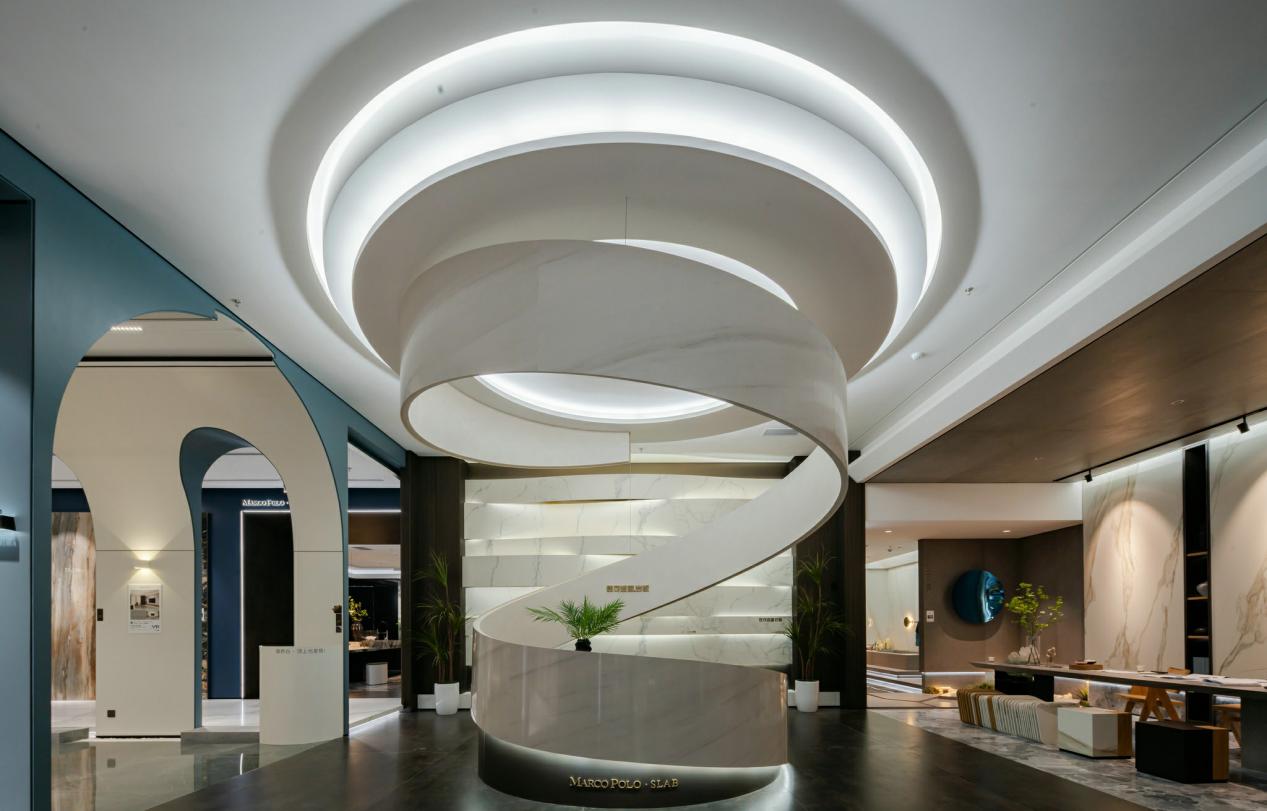
E石代

Search documents
“科技+绿色”双引擎驱动,解码马可波罗的战略突围路径
Cai Jing Wang· 2026-02-04 08:47
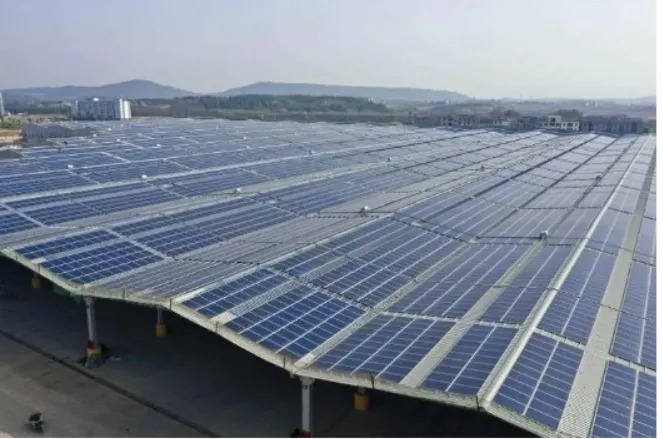
Core Viewpoint - The Chinese building materials industry is at a critical juncture for transformation and upgrading, with a focus on green materials and digitalization, as outlined in the "Building Materials Industry Stabilization and Growth Work Plan (2025-2026)" issued by six government departments [1][2]. Group 1: Industry Policy and Direction - The "Plan" aims to promote stable operation and structural optimization in the building materials industry, emphasizing digital transformation, green low-carbon upgrades, and the application of green materials [2]. - The plan addresses the need for improvement in green low-carbon and intelligent manufacturing levels within the industry, creating new growth opportunities for ceramic enterprises [2][3]. Group 2: Company Initiatives and Achievements - Marco Polo, as a leading enterprise in the domestic ceramic industry, has proactively implemented measures such as establishing national-level green factories and creating benchmarks for intelligent production [1][2]. - The company has adopted clean energy sources, such as natural gas, and has built rooftop photovoltaic power stations, aligning with the "Plan" to accelerate green low-carbon transformation [2][6]. Group 3: Technological Innovations and Sustainability - Marco Polo's production base in Jiangxi has integrated advanced technologies and clean energy, showcasing a model for intelligent manufacturing in the industry [3][4]. - The company has achieved significant milestones in resource conservation, including 100% recycling of industrial water and the use of advanced desulfurization technology to exceed national emission standards [7][8]. Group 4: Product Innovation and Market Positioning - The company has developed a range of innovative products that meet evolving consumer demands for personalized and artistic ceramic solutions, enhancing its competitive edge [9][10]. - Marco Polo's commitment to R&D is evident, with cumulative investments reaching 1.047 billion yuan from 2022 to the third quarter of 2025, resulting in numerous patents and industry-leading technologies [10][12]. Group 5: Cultural Integration and Brand Development - The establishment of the Dongguan Ceramic Museum has facilitated the integration of traditional Chinese culture with modern production techniques, enhancing brand value and consumer engagement [10][12]. - Marco Polo's cultural initiatives have led to the development of unique ceramic products that reflect artistic and cultural heritage, further solidifying its market position [10][12].

向智能化转型!马可波罗又一次走在行业前列
Jing Ji Guan Cha Wang· 2025-08-19 09:14
Core Insights - Marco Polo Holdings is leading the transformation of the building ceramics industry towards high-end, intelligent, and green production methods [3][4][8] Group 1: Company Overview - Marco Polo is located in Dongguan, Guangdong Province, operating a smart factory with advanced manufacturing technologies such as high-speed continuous forming rollers and robotic arms [1] - The company has established itself as a leading player in the building ceramics sector, with a mission to create a world-renowned brand for Chinese ceramics [4][5] Group 2: Market Position - The building ceramics industry in China is undergoing significant changes, with over 400 companies eliminated from 2017 to 2024, leading to a shift from a "large market, small enterprises" model to a "brand consumption" era [4] - Marco Polo's market share increased from 2.40% in 2021 to 3.27% in 2024, benefiting from its strong brand effect amid industry consolidation [5] Group 3: Technological Innovation - The company holds 869 effective patents, including 221 invention patents, and is recognized for its advancements in green low-carbon technologies [6][7] - Marco Polo has developed various high-end ceramic products and technologies, including curved ceramic rock plates, expanding its application range into custom home furnishings [7][8] Group 4: Green and Intelligent Transformation - Marco Polo is committed to green manufacturing, with initiatives like a solar power station at its production base, significantly reducing energy costs [2][8] - The company is advancing automation and digitalization in its production processes, enhancing product quality and reducing costs through intelligent manufacturing systems [9][12]