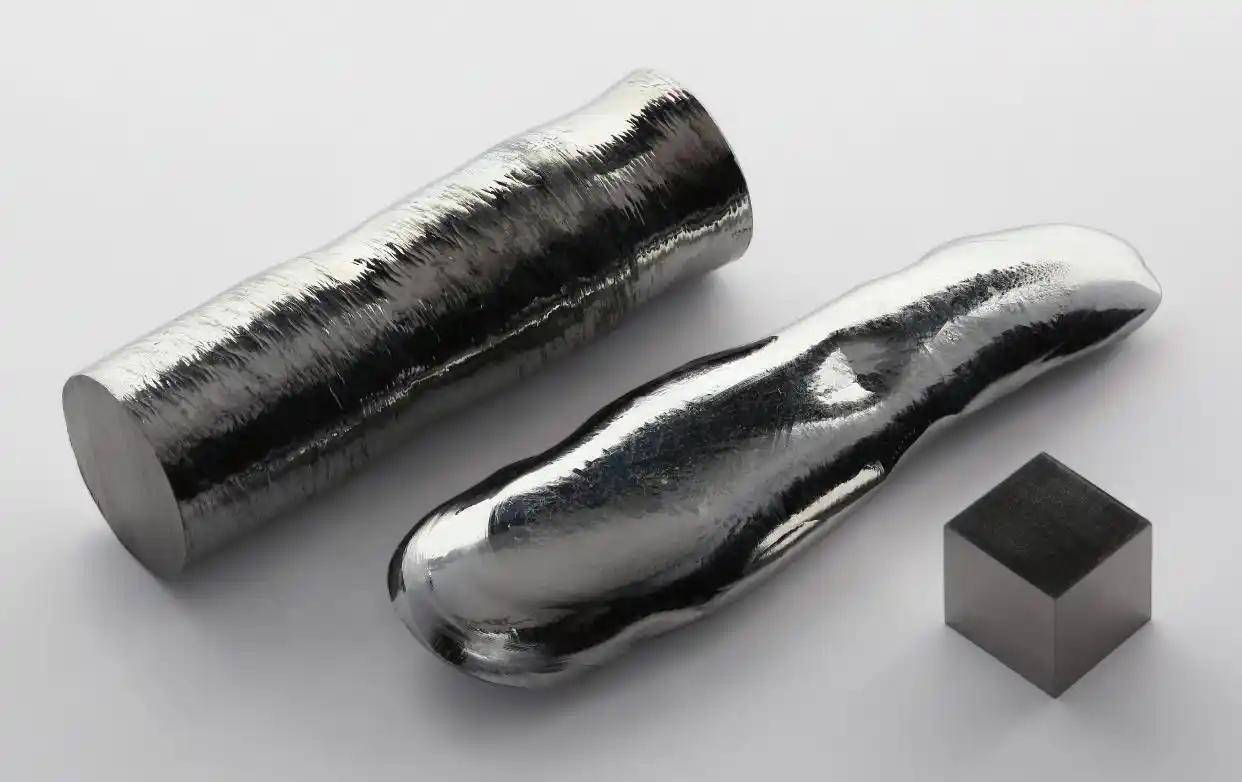
F119发动机

Search documents
难怪涡扇15全球第一!美军发现中国在太空造超级金属,六代机已用
Sou Hu Cai Jing· 2025-11-09 09:05
Core Insights - The J-20 fighter jet has significantly enhanced its combat capabilities after being equipped with the "Chinese heart" engine, the WS-15, which is now recognized as a global leader in aviation engines due to advancements in materials science [1][4]. Group 1: Engine and Material Advancements - The new "super metal," a niobium-based alloy developed in a microgravity environment aboard the Tiangong space station, has shown remarkable properties, maintaining strength at temperatures exceeding 1700°C and enhancing fatigue resistance [3][4]. - The WS-15 engine boasts a thrust of 18.5 tons, surpassing the F119 engine's 17.7 tons, with a thrust-to-weight ratio exceeding 10.5, allowing the J-20B to reach speeds of 2.8 Mach in just three minutes [7]. - The use of niobium alloy in the engine blades, combined with a nanometer-level protective coating, significantly extends the engine's lifespan to over 2000 hours, which is 2.5 times longer than the F119 [7]. Group 2: Competitive Landscape - While the U.S. NGAD fighter is still in the design phase, China has successfully conducted test flights of two sixth-generation fighter prototypes, showcasing advanced configurations that leverage the new materials for superior performance [8]. - The advancements in the WS-15 engine and the new materials signify a major shift in China's aerospace capabilities, moving from reliance on imported engines to achieving self-sufficiency and technological leadership in military aviation [8].

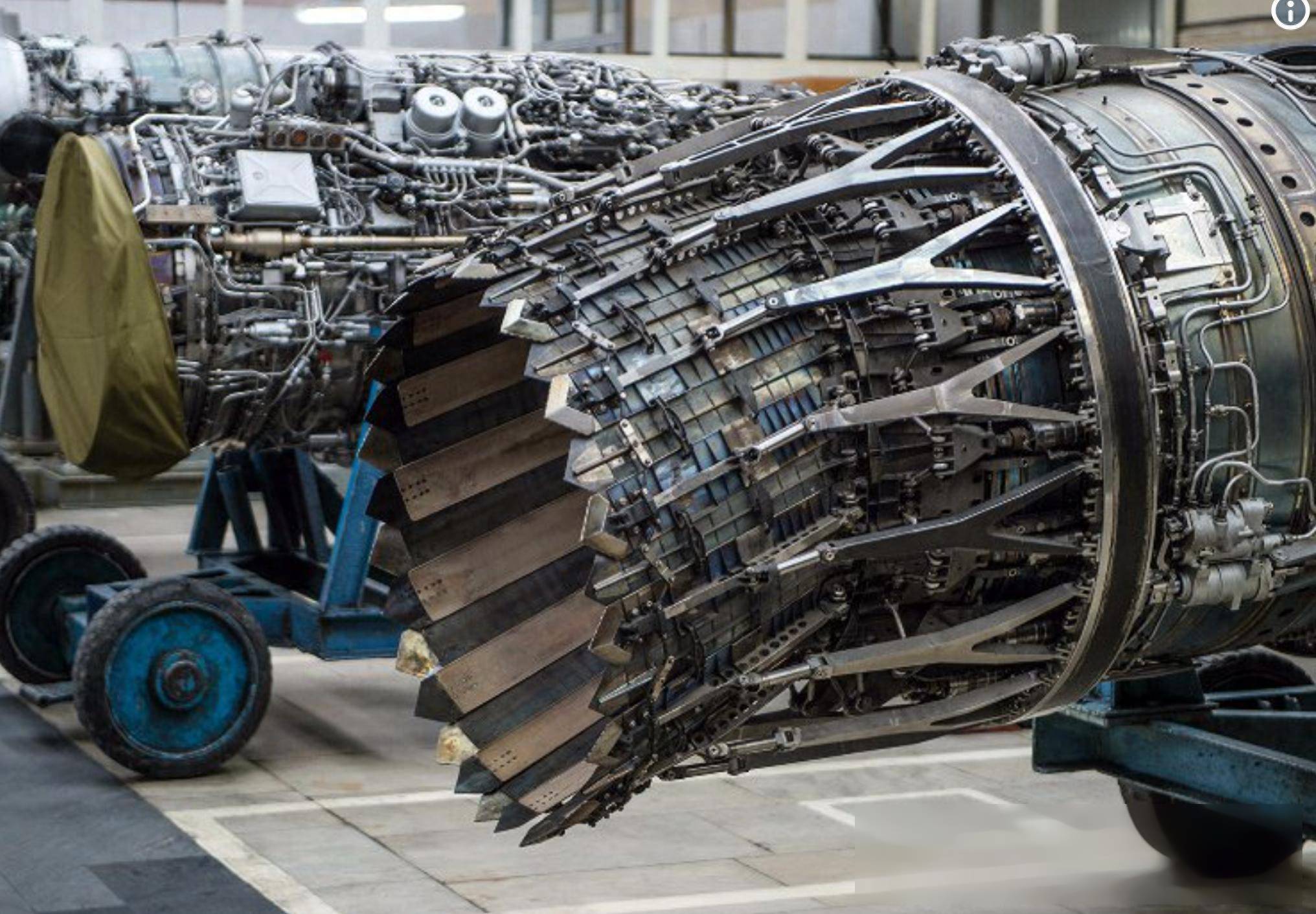
美国想用金属铼牵制我们?航空发动机的金属铼,全球储量仅2650吨
Sou Hu Cai Jing· 2025-08-13 17:23
Core Viewpoint - The article discusses the intense competition between the United States and China over rhenium, a rare metal critical for aerospace applications, highlighting the strategic implications of resource control in the context of national security and technological advancement [1][4]. Resource Constraints - Global rhenium reserves are limited to 2,650 tons, with Chile holding 1,300 tons and the U.S. possessing 400 tons, while China has only 237 tons, insufficient to meet U.S. military consumption for six months [4][6]. - The supply chain is heavily skewed, with 90% of Chile's annual rhenium production of 60 tons directed to the U.S., exacerbating China's resource challenges [4][6]. Performance and Demand - Rhenium's exceptional properties, such as a melting point of 3,186°C and high corrosion resistance, make it essential for advanced military engines like the F-22, which contains 15% rhenium in its components [6][8]. - China's CJ-1000A engine requires 30 tons of rhenium annually, but domestic production is only 2 tons, leading to a significant supply gap [6][8]. Strategic Responses - China is exploring multiple avenues to mitigate the rhenium shortage, including: 1. **Recycling Efforts**: Increasing recovery rates from scrap materials, with a notable rise from 3% to 10% in rhenium extraction from discarded turbine blades [8][10]. 2. **Material Innovation**: Developing molybdenum-based alloys that can withstand high temperatures at a fraction of the cost of rhenium alloys [8][10]. 3. **Global Sourcing**: Establishing supply agreements with countries like Kazakhstan and exploring mining opportunities in Africa to secure additional rhenium sources [8][10]. National Strategy - The Chinese government has initiated a "100-ton rhenium strategy," aiming to accumulate significant reserves amid rising global prices, with 68 tons already secured for strategic purposes [10]. - This strategic accumulation is seen as a long-term investment to ensure self-sufficiency in critical materials for aerospace development [10].