GPS导航仪

Search documents
新春走基层·记者体验360行|我当野生动物监测员
Xin Lang Cai Jing· 2026-02-22 14:49
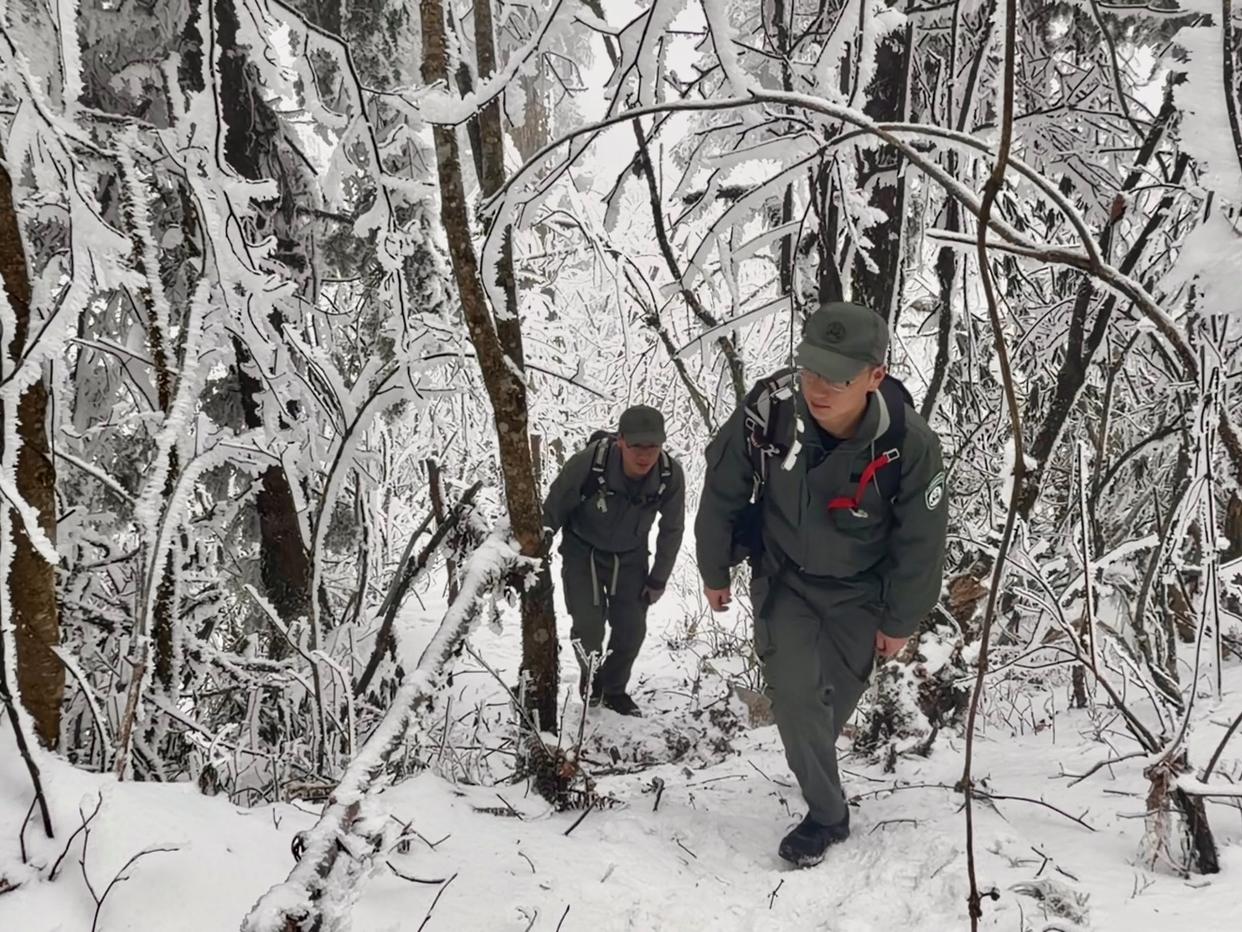
Core Viewpoint - The article highlights the ongoing efforts in wildlife monitoring and conservation, particularly focusing on the work of the monitoring team in the Daxiangling Nature Reserve, which is crucial for the protection of giant pandas and their habitat [1][8]. Group 1: Wildlife Monitoring - The Daxiangling Nature Reserve, located at an average altitude of over 3000 meters, has a forest coverage rate of over 95%, making it an ideal habitat for giant pandas [1]. - The monitoring team, consisting of a patrol leader and an assistant engineer, utilizes various tools such as infrared cameras, GPS devices, and field survey forms to track wildlife activity [1][3]. - The primary goal of wildlife monitoring is to understand the population dynamics of giant pandas and other wildlife, providing guidance for environmental management [3]. Group 2: Fieldwork Challenges - The monitoring team spends over 200 days a year in the mountains, covering more than 10 kilometers daily, facing challenges such as harsh weather conditions and difficult terrain [3]. - Team members humorously refer to themselves as "poop collectors," as they analyze animal feces to extract genetic material for studying panda populations and their genetic diversity [5]. - The team employs meticulous methods to locate signs of wildlife, such as tracks and feces, which are essential for understanding animal behavior and population health [5][7]. Group 3: Conservation Impact - Protecting giant pandas serves a larger purpose of safeguarding other species, as pandas are considered a "flagship species" for biodiversity conservation [8]. - The conservation efforts in the region benefit over 10,000 other species, including the Sichuan golden snub-nosed monkey and the snow leopard, highlighting the ecological importance of preserving panda habitats [8].