
GoPro Hero系列相机

Search documents
影石大疆后浪奔涌,GoPro英雄末路
Xin Lang Cai Jing· 2025-12-23 23:14
Core Insights - GoPro, once a dominant player in the action camera market, has seen its market value plummet by 98% from its peak, now standing at $256 million as of December 2025 [3][13] - The company’s market share has drastically decreased from over 75% to below 20%, while the handheld imaging device market continues to grow at a CAGR of 15.9% [3][11] - Competitors like Insta360 and DJI have emerged as strong players, capturing significant market share and redefining consumer expectations in the imaging sector [3][12] Company History and Evolution - GoPro was founded by Nick Woodman in 2004, inspired by a need to capture surfing experiences, leading to the creation of a new market for action cameras [1][6] - The company’s slogan "Be a Hero" became synonymous with its brand, appealing to extreme sports enthusiasts [2][6] - GoPro's revenue skyrocketed from $64 million in 2010 to $986 million in 2013, and it reached a market cap of $13 billion in 2014 [8] Market Dynamics and Competition - The rise of smartphones and the demand for user-friendly content creation tools shifted the market landscape, allowing competitors to capitalize on GoPro's stagnation [9][10] - Insta360 and DJI have introduced innovative products that cater to the evolving needs of consumers, such as 360-degree cameras and advanced stabilization technology [9][12] - GoPro's failure to innovate and adapt to changing consumer preferences has led to its decline, as it focused on minor updates rather than significant advancements [10][14] Financial Performance and Market Position - GoPro's market share in the action camera segment fell from 84% in 2022 to 18% in the first three quarters of 2025, while its share in the consumer-grade 360 camera market dropped from 21.5% in 2021 to 9.2% in 2023 [11][13] - The company has reported consecutive quarterly losses, with its stock price falling to $1.59 per share, reflecting a significant disconnect from its previous valuation [13][15] - Competitors like DJI and Insta360 have established themselves as market leaders, with DJI holding over 70% of the consumer drone market and Insta360 dominating the 360 camera space [12][15] Lessons and Future Outlook - The decline of GoPro serves as a cautionary tale about the importance of continuous innovation and market awareness [15][16] - Both DJI and Insta360 are investing heavily in research and development, with DJI allocating approximately 15% of its revenue to R&D, while Insta360 dedicates over 12% [15] - The competitive landscape in the imaging market is shifting, emphasizing the need for companies to remain agile and responsive to consumer demands [15][16]
GoPro的“英雄末路”
2 1 Shi Ji Jing Ji Bao Dao· 2025-12-22 06:11
Core Insights - GoPro, once a dominant player in the action camera market, has seen its market value plummet by 98% from its peak, now valued at only $254 million, with its global market share dropping from over 75% to less than 20% [7][16] - The handheld smart imaging device market continues to grow rapidly, with a compound annual growth rate (CAGR) of 15.9%, projected to reach $79.93 billion by 2030 [9] - Competitors like Insta360 and DJI have emerged as strong players, effectively pushing GoPro out of the main competitive landscape [9][18] Company Background - GoPro was founded by Nick Woodman in 2004, initially targeting extreme sports enthusiasts with a compact, durable, and waterproof camera [4][11] - The company experienced explosive growth, with revenues soaring from $64 million in 2010 to $986 million in 2013, and reaching a market cap of $13 billion in 2014 [12][13] Market Dynamics - The rise of smartphones and the popularity of short videos and vlogs shifted consumer demand from professional athletes to everyday users, who now seek features like stabilization and ease of editing [14] - Competitors like Insta360 and DJI have capitalized on these trends, introducing innovative products that meet the evolving needs of consumers [14][18] Strategic Missteps - GoPro's failure to innovate and adapt to market changes, including a disastrous entry into the consumer drone market with the Karma drone, led to significant financial losses and damage to its reputation [15][16] - The company's focus on minor updates to existing products rather than groundbreaking innovations allowed competitors to gain a foothold and surpass GoPro in market share [15][16] Current Status - As of Q3 2025, GoPro has reported consecutive quarterly losses, with its stock price significantly detached from its historical highs, trading at $1.59 per share [18][20] - The company has lost its competitive edge, with its market share in the action camera segment dropping from 84% in 2022 to 18% in 2025 [16][20] Lessons Learned - The decline of GoPro serves as a cautionary tale about the importance of continuous innovation and market awareness, highlighting that even market leaders can fall from grace if they become complacent [20][21]


900亿巨头英雄末路,市值蒸发98%
2 1 Shi Ji Jing Ji Bao Dao· 2025-12-19 10:41
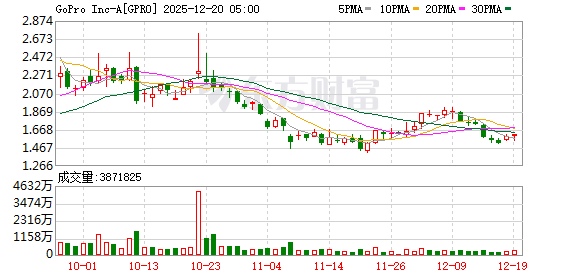
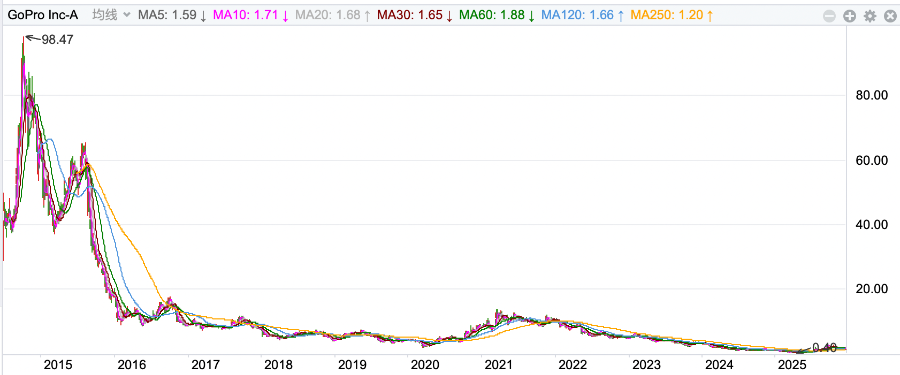
Core Insights - GoPro, once a leader in the action camera market, has seen its market value plummet by 98% from its peak, now valued at only $254 million [4][15] - The company has lost significant market share, dropping from over 75% to less than 20% in the action camera segment, while competitors like DJI and Insta360 are thriving [4][14] Company Overview - GoPro was founded by Nick Woodman in 2004, initially targeting extreme sports enthusiasts with a compact, durable camera that captured first-person perspectives [9][10] - The brand's slogan "Be a Hero" became synonymous with adventure and extreme sports, contributing to its early success [3][11] Market Dynamics - The global handheld imaging device market is growing rapidly, with a compound annual growth rate (CAGR) of 15.9%, projected to reach 79.93 billion yuan by 2030 [6] - Competitors DJI and Insta360 have emerged as strong players, capturing market share and innovating in ways that GoPro has struggled to match [6][15] Competitive Landscape - GoPro's market dominance was challenged by the rise of smartphones and the demand for more versatile imaging solutions, leading to a shift in consumer preferences [12][16] - DJI and Insta360 have successfully introduced innovative products that cater to the evolving needs of consumers, such as 360-degree cameras and advanced stabilization technology [12][14] Strategic Missteps - GoPro's failure to innovate and adapt to changing market demands has led to a decline in its competitive position, as it focused on less relevant areas like media and consumer drones [13][16] - The company's slow product iteration and reliance on its established Hero series have resulted in a loss of market relevance [13][14] Financial Performance - GoPro's revenue skyrocketed from $64 million in 2010 to $986 million in 2013, but has since declined significantly, with recent reports indicating ongoing losses [10][15] - As of December 19, GoPro's stock price was $1.59 per share, a stark contrast to its historical high of $93.85, reflecting its diminished market presence [15][18] Lessons Learned - The decline of GoPro serves as a cautionary tale about the importance of continuous innovation and market awareness in the tech industry [18] - The rise of DJI and Insta360 highlights the need for companies to remain vigilant and adaptable to avoid becoming obsolete [18]
900亿巨头英雄末路,市值蒸发98%
21世纪经济报道· 2025-12-19 10:36
Core Viewpoint - GoPro, once a dominant player in the action camera market, has seen its market value plummet by 98% from its peak, losing its competitive edge to emerging rivals in the handheld imaging device market [1][3][12]. Group 1: Company Background and Rise - GoPro was founded in 2004 by Nick Woodman, who created a camera solution for surfers, leading to the establishment of a new market for action cameras [6]. - The company capitalized on the gap in the market for compact, durable, and waterproof cameras, particularly appealing to extreme sports enthusiasts [6][7]. - GoPro's revenue skyrocketed from $64 million in 2010 to $986 million in 2013, with a market share exceeding 75% by the time of its IPO in 2014 [7][8]. Group 2: Market Dynamics and Competition - The global handheld imaging device market is projected to grow at a CAGR of 15.9%, reaching a size of 79.93 billion yuan by 2030, while GoPro's market share has drastically declined [3][12]. - Competitors like Insta360 and DJI have emerged, focusing on consumer needs for enhanced image quality and ease of use, effectively capturing market share from GoPro [10][11]. Group 3: Strategic Missteps and Decline - GoPro's failure to innovate and adapt to changing consumer demands, particularly the shift from professional athletes to everyday users, has led to its decline [15]. - The company faced significant setbacks with its drone product, Karma, which was recalled shortly after launch due to design flaws, damaging its reputation and diverting resources from core product innovation [11]. - By 2025, GoPro's market share in the action camera segment fell from 84% in 2022 to 18%, while its share in the consumer-grade panoramic camera market dropped from 21.5% in 2021 to 9.2% in 2023 [11][12]. Group 4: Lessons and Future Outlook - The decline of GoPro serves as a cautionary tale about the importance of continuous innovation and market awareness, as even established leaders can be overtaken by more agile competitors [15][16]. - Companies like DJI and Insta360 are now leading the market, emphasizing the need for a robust ecosystem that integrates hardware, software, and community engagement [15][16].
