
影石Insta360全景相机

Search documents
影石大疆后浪奔涌,GoPro英雄末路
Xin Lang Cai Jing· 2025-12-23 23:14
Core Insights - GoPro, once a dominant player in the action camera market, has seen its market value plummet by 98% from its peak, now standing at $256 million as of December 2025 [3][13] - The company’s market share has drastically decreased from over 75% to below 20%, while the handheld imaging device market continues to grow at a CAGR of 15.9% [3][11] - Competitors like Insta360 and DJI have emerged as strong players, capturing significant market share and redefining consumer expectations in the imaging sector [3][12] Company History and Evolution - GoPro was founded by Nick Woodman in 2004, inspired by a need to capture surfing experiences, leading to the creation of a new market for action cameras [1][6] - The company’s slogan "Be a Hero" became synonymous with its brand, appealing to extreme sports enthusiasts [2][6] - GoPro's revenue skyrocketed from $64 million in 2010 to $986 million in 2013, and it reached a market cap of $13 billion in 2014 [8] Market Dynamics and Competition - The rise of smartphones and the demand for user-friendly content creation tools shifted the market landscape, allowing competitors to capitalize on GoPro's stagnation [9][10] - Insta360 and DJI have introduced innovative products that cater to the evolving needs of consumers, such as 360-degree cameras and advanced stabilization technology [9][12] - GoPro's failure to innovate and adapt to changing consumer preferences has led to its decline, as it focused on minor updates rather than significant advancements [10][14] Financial Performance and Market Position - GoPro's market share in the action camera segment fell from 84% in 2022 to 18% in the first three quarters of 2025, while its share in the consumer-grade 360 camera market dropped from 21.5% in 2021 to 9.2% in 2023 [11][13] - The company has reported consecutive quarterly losses, with its stock price falling to $1.59 per share, reflecting a significant disconnect from its previous valuation [13][15] - Competitors like DJI and Insta360 have established themselves as market leaders, with DJI holding over 70% of the consumer drone market and Insta360 dominating the 360 camera space [12][15] Lessons and Future Outlook - The decline of GoPro serves as a cautionary tale about the importance of continuous innovation and market awareness [15][16] - Both DJI and Insta360 are investing heavily in research and development, with DJI allocating approximately 15% of its revenue to R&D, while Insta360 dedicates over 12% [15] - The competitive landscape in the imaging market is shifting, emphasizing the need for companies to remain agile and responsive to consumer demands [15][16]
GoPro的“英雄末路”
2 1 Shi Ji Jing Ji Bao Dao· 2025-12-22 06:11
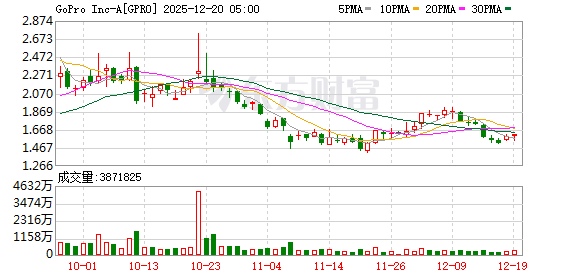
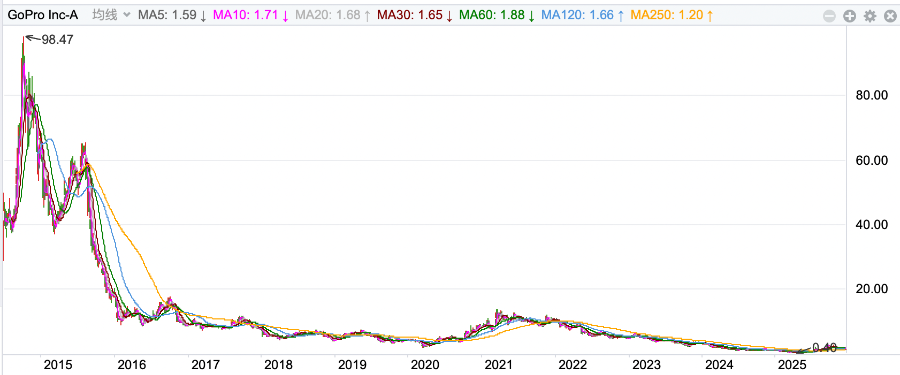
Core Insights - GoPro, once a dominant player in the action camera market, has seen its market value plummet by 98% from its peak, now valued at only $254 million, with its global market share dropping from over 75% to less than 20% [7][16] - The handheld smart imaging device market continues to grow rapidly, with a compound annual growth rate (CAGR) of 15.9%, projected to reach $79.93 billion by 2030 [9] - Competitors like Insta360 and DJI have emerged as strong players, effectively pushing GoPro out of the main competitive landscape [9][18] Company Background - GoPro was founded by Nick Woodman in 2004, initially targeting extreme sports enthusiasts with a compact, durable, and waterproof camera [4][11] - The company experienced explosive growth, with revenues soaring from $64 million in 2010 to $986 million in 2013, and reaching a market cap of $13 billion in 2014 [12][13] Market Dynamics - The rise of smartphones and the popularity of short videos and vlogs shifted consumer demand from professional athletes to everyday users, who now seek features like stabilization and ease of editing [14] - Competitors like Insta360 and DJI have capitalized on these trends, introducing innovative products that meet the evolving needs of consumers [14][18] Strategic Missteps - GoPro's failure to innovate and adapt to market changes, including a disastrous entry into the consumer drone market with the Karma drone, led to significant financial losses and damage to its reputation [15][16] - The company's focus on minor updates to existing products rather than groundbreaking innovations allowed competitors to gain a foothold and surpass GoPro in market share [15][16] Current Status - As of Q3 2025, GoPro has reported consecutive quarterly losses, with its stock price significantly detached from its historical highs, trading at $1.59 per share [18][20] - The company has lost its competitive edge, with its market share in the action camera segment dropping from 84% in 2022 to 18% in 2025 [16][20] Lessons Learned - The decline of GoPro serves as a cautionary tale about the importance of continuous innovation and market awareness, highlighting that even market leaders can fall from grace if they become complacent [20][21]


900亿巨头英雄末路,市值蒸发98%
2 1 Shi Ji Jing Ji Bao Dao· 2025-12-19 10:41
Core Insights - GoPro, once a leader in the action camera market, has seen its market value plummet by 98% from its peak, now valued at only $254 million [4][15] - The company has lost significant market share, dropping from over 75% to less than 20% in the action camera segment, while competitors like DJI and Insta360 are thriving [4][14] Company Overview - GoPro was founded by Nick Woodman in 2004, initially targeting extreme sports enthusiasts with a compact, durable camera that captured first-person perspectives [9][10] - The brand's slogan "Be a Hero" became synonymous with adventure and extreme sports, contributing to its early success [3][11] Market Dynamics - The global handheld imaging device market is growing rapidly, with a compound annual growth rate (CAGR) of 15.9%, projected to reach 79.93 billion yuan by 2030 [6] - Competitors DJI and Insta360 have emerged as strong players, capturing market share and innovating in ways that GoPro has struggled to match [6][15] Competitive Landscape - GoPro's market dominance was challenged by the rise of smartphones and the demand for more versatile imaging solutions, leading to a shift in consumer preferences [12][16] - DJI and Insta360 have successfully introduced innovative products that cater to the evolving needs of consumers, such as 360-degree cameras and advanced stabilization technology [12][14] Strategic Missteps - GoPro's failure to innovate and adapt to changing market demands has led to a decline in its competitive position, as it focused on less relevant areas like media and consumer drones [13][16] - The company's slow product iteration and reliance on its established Hero series have resulted in a loss of market relevance [13][14] Financial Performance - GoPro's revenue skyrocketed from $64 million in 2010 to $986 million in 2013, but has since declined significantly, with recent reports indicating ongoing losses [10][15] - As of December 19, GoPro's stock price was $1.59 per share, a stark contrast to its historical high of $93.85, reflecting its diminished market presence [15][18] Lessons Learned - The decline of GoPro serves as a cautionary tale about the importance of continuous innovation and market awareness in the tech industry [18] - The rise of DJI and Insta360 highlights the need for companies to remain vigilant and adaptable to avoid becoming obsolete [18]
900亿巨头英雄末路,市值蒸发98%
21世纪经济报道· 2025-12-19 10:36
Core Viewpoint - GoPro, once a dominant player in the action camera market, has seen its market value plummet by 98% from its peak, losing its competitive edge to emerging rivals in the handheld imaging device market [1][3][12]. Group 1: Company Background and Rise - GoPro was founded in 2004 by Nick Woodman, who created a camera solution for surfers, leading to the establishment of a new market for action cameras [6]. - The company capitalized on the gap in the market for compact, durable, and waterproof cameras, particularly appealing to extreme sports enthusiasts [6][7]. - GoPro's revenue skyrocketed from $64 million in 2010 to $986 million in 2013, with a market share exceeding 75% by the time of its IPO in 2014 [7][8]. Group 2: Market Dynamics and Competition - The global handheld imaging device market is projected to grow at a CAGR of 15.9%, reaching a size of 79.93 billion yuan by 2030, while GoPro's market share has drastically declined [3][12]. - Competitors like Insta360 and DJI have emerged, focusing on consumer needs for enhanced image quality and ease of use, effectively capturing market share from GoPro [10][11]. Group 3: Strategic Missteps and Decline - GoPro's failure to innovate and adapt to changing consumer demands, particularly the shift from professional athletes to everyday users, has led to its decline [15]. - The company faced significant setbacks with its drone product, Karma, which was recalled shortly after launch due to design flaws, damaging its reputation and diverting resources from core product innovation [11]. - By 2025, GoPro's market share in the action camera segment fell from 84% in 2022 to 18%, while its share in the consumer-grade panoramic camera market dropped from 21.5% in 2021 to 9.2% in 2023 [11][12]. Group 4: Lessons and Future Outlook - The decline of GoPro serves as a cautionary tale about the importance of continuous innovation and market awareness, as even established leaders can be overtaken by more agile competitors [15][16]. - Companies like DJI and Insta360 are now leading the market, emphasizing the need for a robust ecosystem that integrates hardware, software, and community engagement [15][16].

影石回应大疆价格战:或推动市场扩容
Nan Fang Du Shi Bao· 2025-11-04 13:21
Core Viewpoint - The company Insta360 (影石创新) addressed market concerns regarding the impact of DJI's price war and the controversy over its market share in the panoramic camera sector, emphasizing its unique hardware and software advantages as key factors for consumer choice, while reporting a 90% revenue increase in Q3 2025 [2][3]. Group 1: Company Performance - In Q3 2025, Insta360 reported revenue of 29.40 billion yuan, a year-on-year increase of 92.64%, with cumulative revenue for the first three quarters reaching 66.11 billion yuan, up 67.18% year-on-year [3]. - The company achieved a global market share of 75% in Q3, with a domestic market share exceeding 60% [4]. - Insta360's innovative products and user experience led to strong sales performance during the Double Eleven shopping festival, outperforming competitors in key categories [3]. Group 2: Competitive Landscape - DJI has initiated an unprecedented price war in the panoramic camera market, leveraging its pricing strategy to gain market share, which has raised concerns about potential profit sacrifices [3]. - DJI's Osmo 360 camera quickly captured approximately 17.1% of the global market share and 37.1% of the domestic market share within a short period [4]. - The competition between Insta360 and DJI is seen as a catalyst for market vitality, with opportunities for differentiation in innovation, user experience, and content ecosystem [5]. Group 3: Market Dynamics - The entry of DJI into the panoramic camera market has prompted a restructuring of the industry landscape, with significant shifts in market shares [4]. - Insta360's CEO acknowledged the anticipated competition from DJI when the company decided to enter the drone market five years ago, indicating a strategic awareness of market dynamics [4].

从“中国制造”到“中国智造”:外国人眼中的中国经济韧性
Xin Hua She· 2025-05-14 06:56
Group 1 - The core viewpoint of the articles highlights the transition from "Made in China" to "Intelligent Manufacturing in China," showcasing the increasing global appeal of Chinese products, particularly in the electric vehicle sector, which is projected to account for 40.9% of new car sales in 2024, maintaining its position as the world's largest market for ten consecutive years [1][3][6] - The rise of "Chinese Intelligent Manufacturing" is supported by advancements in technology and innovation, leading to improved product competitiveness and breaking the previous perception of Chinese goods as low-quality [3][4][8] - Chinese exports have shown resilience amid global trade tensions, with a reported total trade value of 14.14 trillion yuan in the first four months of the year, marking a 2.4% year-on-year increase, and a 7.5% increase in exports [6][8] Group 2 - The emergence of AI technologies, such as the DeepSeek model, is enabling Chinese businesses to create multilingual promotional content, enhancing the global reach of their products [4][6] - China is recognized as the only country with all industrial categories classified by the United Nations, leading in the production of over 220 industrial products, and maintaining the largest manufacturing scale globally for 15 consecutive years [8] - The strong resilience of the Chinese economy is attributed to its comprehensive and efficient supply chain systems, continuous innovation, and the ability to adapt to changing global economic conditions [6][8]

301479,涨停!A股新热点
新华网财经· 2025-04-28 05:04
今年春节后,《哪吒2》和DeepSeek开源大模型的"硬科技+软文化"组合,带火了相关概念股。最近, 影石Insta360全景相机、泡泡玛特旗下人气IP LABUBU 3.0系列被市场称为"现象级火爆",这能否给中 国资产带来新的叙事逻辑? 今天上午,影石概念股弘景光电(301479)"20CM"涨停;泡泡玛特上涨11.14%,盘中再创历史新高, 带动A股IP经济概念盘中直线拉升,盛天网络、创源股份等个股大涨。 日前,影石科创板IPO注册获正式批复,A股市场即将迎来"全球智能影像第一股"。市场人士表示,随 着影石热度攀升,建议关注产业链机会:一是核心供应商;二是股权关联的企业;三是产业链相关标 的。 资料显示,弘景光电主要从事光学镜头及摄像模组的研发、设计、制造和销售。公司在投资者互动平台 表示,影石创新是其重要客户之一。另外,瀛通通讯上午涨停,华金资本、商络电子等概念股也上涨。 泡泡玛特股价再创历史新高 A股上午震荡调整,截至中午收盘,上证指数下跌0.03%,深证成指下跌0.43%,创业板指下跌0.55%。 PEEK材料、游戏、银行等板块涨幅居前,地产、消费等板块跌幅居前。 弘景光电"20CM"涨停 今天上 ...